




Top-rated insulation pros.

Get matched with top insulation pros in Union City, MI

Enter your zip and get matched with up to 5 pros

Need a pro for your insulation service project in Union City, MI?

Select your specific project to find the pro for you.

TRUSTED BY UNION CITY, MI HOMEOWNERS

  • Average homeowner rating star icon4
    Average homeowner rating
  • Verified reviews icon26
    Verified insulation services reviews

Find Insulation pros in Union City

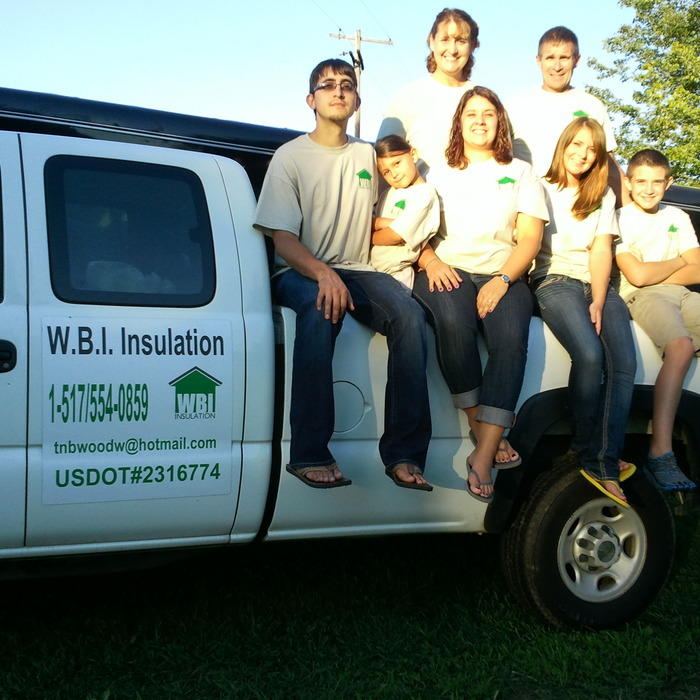
Avatar for WBI Insulation & Building
WBI Insulation & Building
4.3(
66
)
Batt, Rolled or Reflective Insulation - Install or UpgradeBlown-In Insulation - Install or UpgradeSpray Foam Insulation - Install

Serving Union City, MI and surrounding areas

In business since 2012

Free estimates

Credit card accepted

"We received a quote on insulation and he gave excellent advice regarding what type of insulation we actually needed. He gave advice on some things that he found that were done incorrectly in our attic. He said our house would stay cooler longer during the day and he was exactly right about that. We would highly recommend WBI to everyone!"
WBI Insulation & Building

+3

Response time5 hrs
Response rate85%
Recommended by98%of homeowners
Avatar for Swan's Handyman Service
Swan's Handyman Service
4.4(
212
)
Batt, Rolled or Reflective Insulation - Install or UpgradeBlown-In Insulation - Install or UpgradeInjection Insulation - Install+2 more

Serving Union City, MI and surrounding areas

In business since 2009

Credit card accepted

"Ryan Swan and his crew were very professional,efficient,dependable,trust worthy and friendly. Due to water damage to my walls this past winter, I needed new insulation and dry wall and of course painting done. They also cleaned out and repaired my gutters to my satisfaction. I'm extremely pleased with all the work done and plan on using them for more jobs in the very near future."
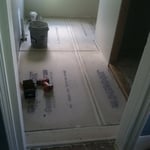
Day one floor
Day three floor and shower
finished
Additional Photos
Additional Photos

+25

Recommended by91%of homeowners
Showing 1-10 of 16
Insulation questions, answered by experts

You should not use spray foam insulation in several specific areas. Avoid applying it in spaces exposed to high temperatures, such as near electrical boxes or recessed lighting, unless the foam is specifically rated for such use. Applying foam near electrical boxes can damage the wiring, and using it too close to lightboxes or recessed lights creates a potential fire hazard. Additionally, do not use spray foam in areas prone to shifting or movement, as this can lead to cracks and gaps in the insulation. Finally, open-cell foam is unsuitable for use below ground or in areas exposed to moisture because it can absorb water, which compromises its insulating effectiveness.

For a DIY solution to protect an outdoor faucet from freezing, you can craft a cover using spare rags, a durable plastic bag, and duct tape. However, be aware that this method may not be as effective as a store-bought cover. Fabric like rags or old towels can absorb water, which could freeze and cause problems. While a DIY cover can work as a temporary stopgap, a proper outdoor faucet cover is inexpensive (often $5 or less), easy to install, and readily available, making it the recommended long-term solution.

The best way to reduce heat upstairs is to release it by opening a window. Hot air rises, and if you can create some airflow by opening a window upstairs and also one on a lower level, the hot air should be pushed out of the home. Remember that fans pointing out the window do a much better job of circulating air than fans pointing into the home.

The primary downside of radiant barriers is their limited effectiveness in cold climates. They are designed to reflect radiant heat, making them less beneficial in cooler conditions where heat retention is more important. 

Radiant barriers require proper installation to maximize effectiveness. Incorrect placement can lead to minimal benefits. They also do not provide insulation, meaning they should be used in conjunction with traditional insulation for optimal energy efficiency. 

STC (Sound Transmission Class) is a rating that describes how well a building material or assembly blocks airborne sound. A higher STC rating means less noise will pass through the material, providing better sound reduction. This rating system applies to various building components, including windows, doors, flooring, drywall, and insulation.

For context, a typical single-pane window has an STC rating of around 25 (where normal conversations are audible), while a well-sealed, double-pane window can exceed STC 45 (blocking loud speech and most music). It is important to note that for some products, like soundproofing drywall, the STC rating refers to the entire wall system, not just the individual panel.
Additionally, STC ratings are most effective for measuring sound reduction at mid-to-high frequencies, such as human speech, and may not accurately reflect how well a material blocks low-frequency sounds like bass music or thunder. Because of these factors, it is recommended to consult a professional to determine the right STC-rated materials for your specific soundproofing needs.

The Union City, MI homeowners’ guide to insulation services

From average costs to expert advice, get all the answers you need to get your job done.