








Get matched with top ceramic tile pros in Sterling, MI
Top-rated ceramic tile pros.

Need a pro for your ceramic tile service project in Sterling, MI?

Select your specific project to find the pro for you.

Find Ceramic tile pros in Sterling

Avatar for ALPHA CUSTOM TILE
ALPHA CUSTOM TILE
4.9(
8
)

Serving Sterling, MI and surrounding areas

In business since 2015

Free estimates

Credit card accepted

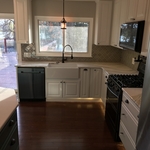
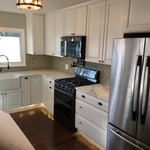
"Jeremy was very precise installing the glass tile kitchen back splash around the cabinets and we have received many compliments . He also installed 1200 sq ft of laminate flooring that runs room to room with no seams . We are looking forward to have him help us on the next project."
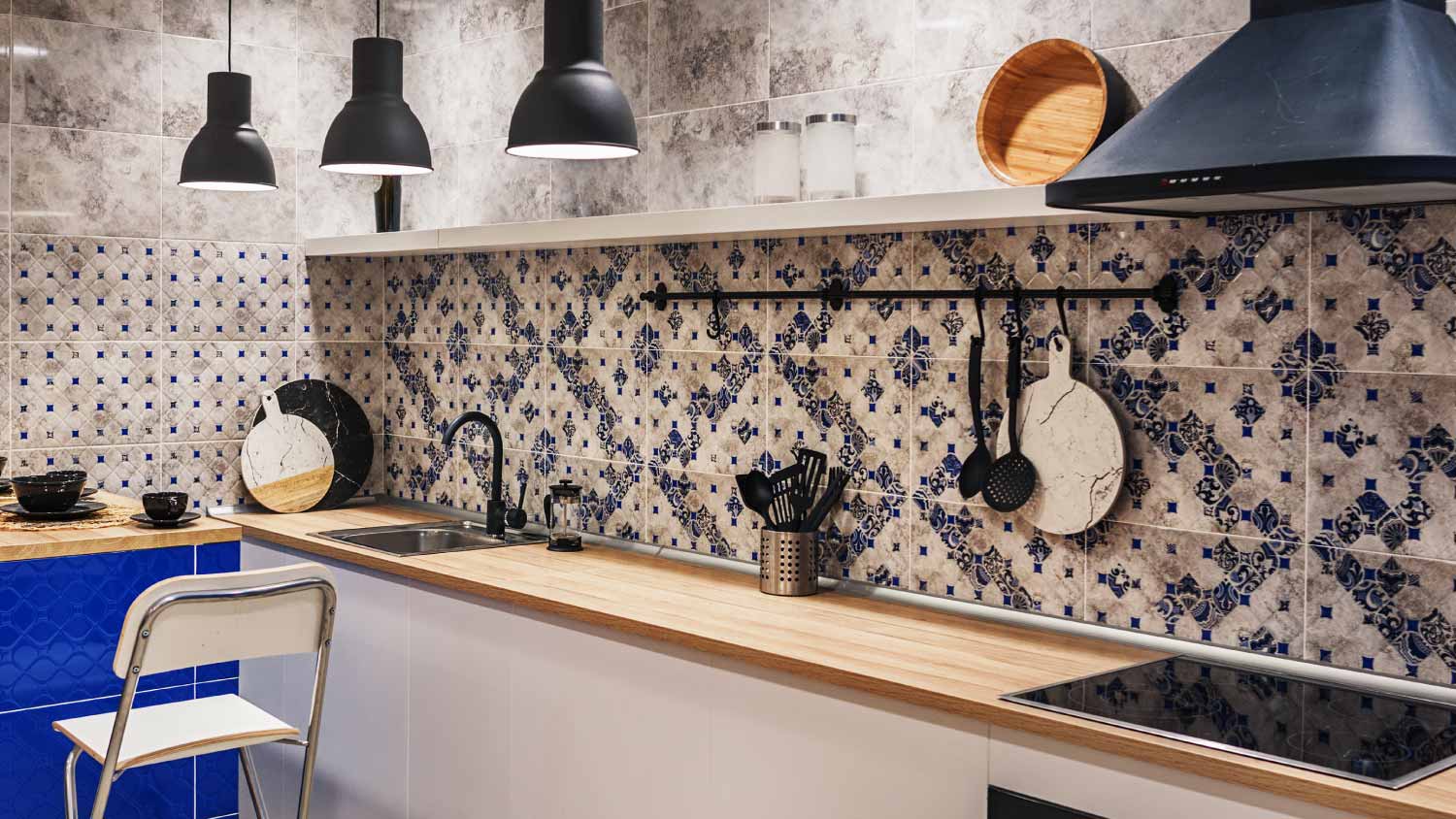
Kitchen Backsplash Done 2022!
Kitchen Backsplash Done in 2022!
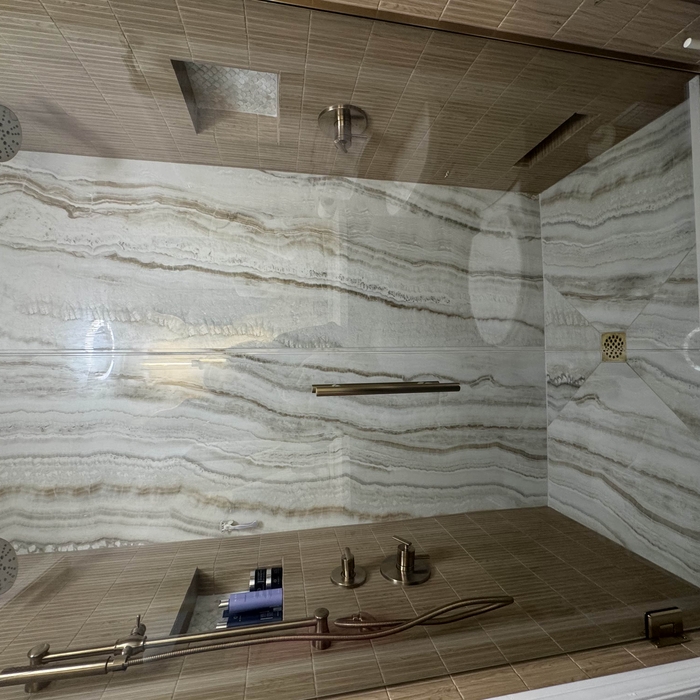
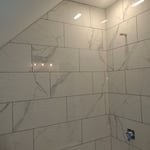
Tub surround
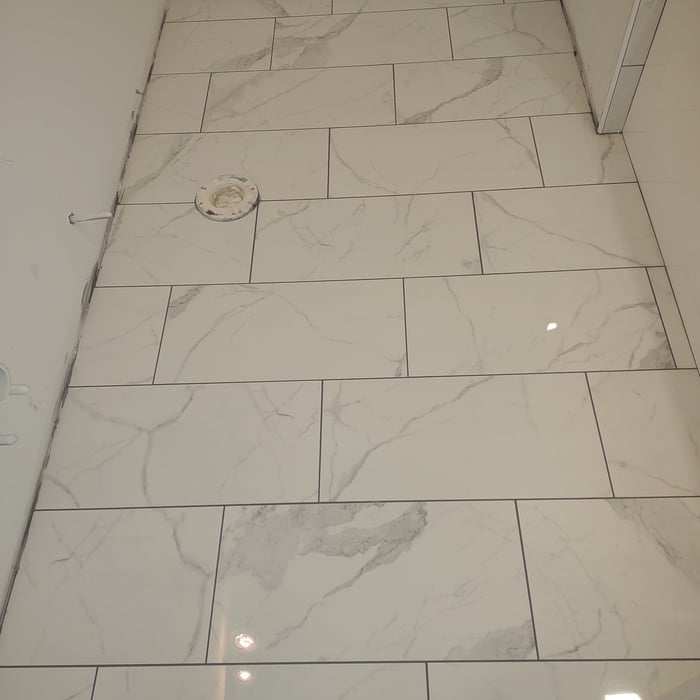
Bathroom floor

+19

Response time3 days
Response rate94%
Recommended by100%of homeowners
Showing 1-10 of 26
Ceramic Tile questions, answered by experts

The average cost for tile installation is about $2,000, with a typical price range between $500 and $6,500. On a per-square-foot basis, you can expect to pay between $5 and $45 for installation.

Several factors influence the total cost, including:

  • Installation Site: Costs vary for different areas. Common project costs are: kitchen floor ($870–$6,100), countertop or backsplash ($500–$3,000), bathroom floor ($300–$2,400), or shower wall ($225–$2,000).

  • Tile Type and Quality: The material significantly impacts price. For example, standard ceramic or travertine tile can cost about $1 per square foot, while luxury options like marble can be as much as $350 per square foot for the material alone.

  • Project Size and Complexity: The total square footage, the complexity of the pattern, and the shape of the tile (e.g., square, rectangle, hexagon, mosaic) will affect labor and material costs.

  • Site Preparation: The amount of prep work needed, such as removing old tile or installing a new subfloor or backer board, can add to the final price.

  • Tile Characteristics: The tile's durability rating and porosity can also influence the price.

  • Location: Labor rates vary by geographic location.

The rule tells you how to cut tile to install it in a corner. The 3/4/5 rule recommends that you should have 3 feet across on one straight line, four feet on the other perpendicular line, and 5 feet of length from the end of one of the lines to the other. You’re making a right triangle with the tile, and the hypotenuse (the line across from where the 3-foot lie and 4-foot line meet) should be 5 feet long.

Yes, it’s always a good idea to keep a box or two of spare tiles after a home renovation project. Tiles can crack from improper installation, heavy foot traffic, and impact from drops. Having some extra tile on hand can make replacement fast, easy, and affordable. Plus, some manufacturers might discontinue particular colors or styles, and slight variations in tile colors between batches could mean mismatched tiles even if your product isn’t discontinued. Having a few spare tiles in storage can help avoid these issues, as well.

The reasons not to install flooring underneath a bathtub outweigh the benefits. A properly installed bathtub will keep water from reaching the unprotected subfloor underneath. Installing a tub on top of finished flooring can lead to damage and scratches to the new floor. Also, a small leak from a tub drain may be more difficult to notice if finished flooring impedes water drips.

When choosing tiles for a shower floor, avoid highly porous tile materials, like those with a water absorption rating over 7%. Don’t use non-vitreous tiles, or tiles fired at low temperatures, because they will absorb more water. If you use a highly porous tile in the shower, the tiles can wear down faster, meaning they’ll need to be replaced much sooner.

The Sterling, MI homeowners’ guide to ceramic tile services

From average costs to expert advice, get all the answers you need to get your job done.