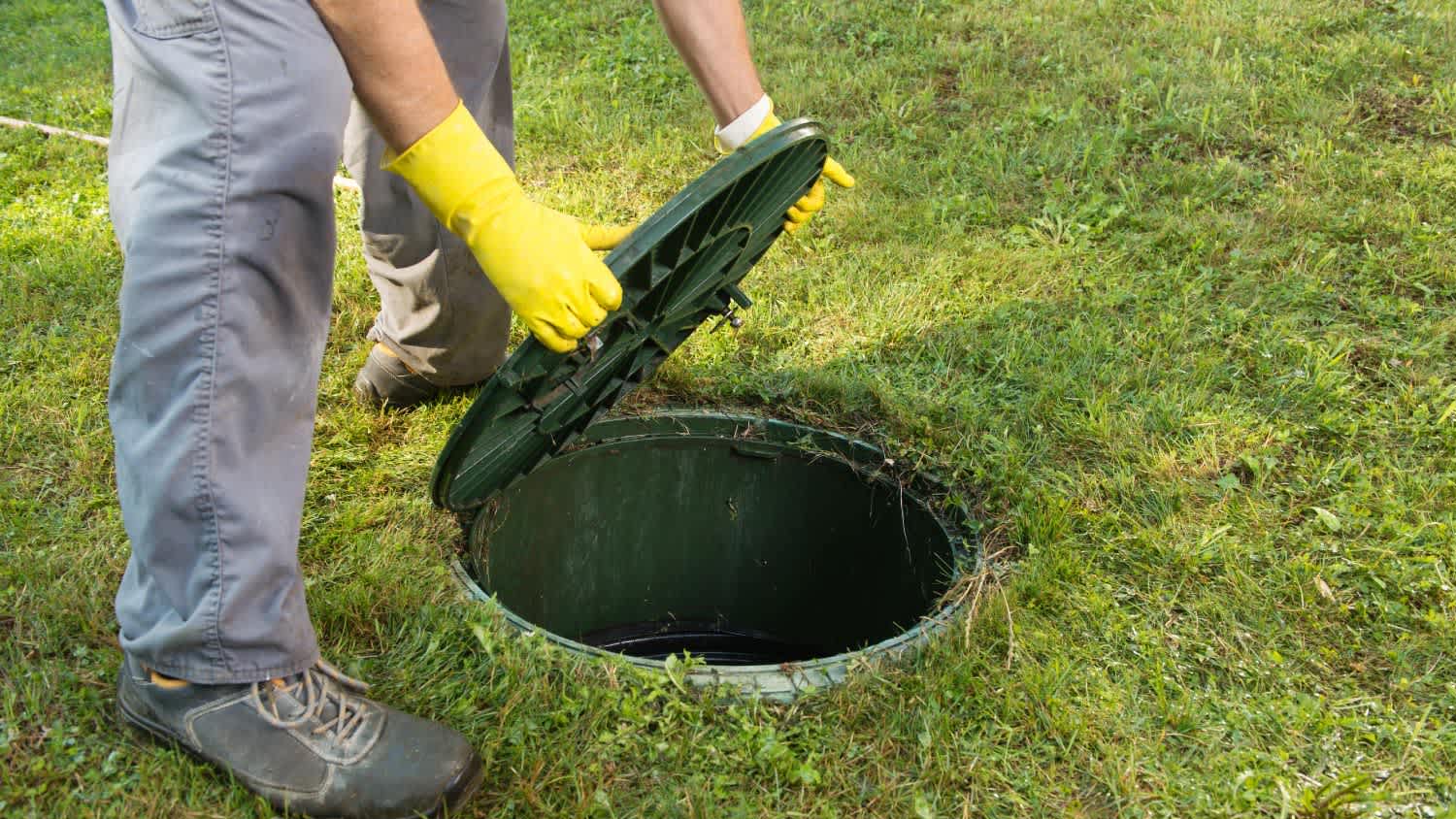






Top-rated percolation testing pros.

Get matched with top percolation testing pros in South Range, MI

Enter your zip and get matched with up to 5 pros

Need a pro for your percolation testing project in South Range, MI?

Select your specific project to find the pro for you.

TRUSTED BY SOUTH RANGE, MI HOMEOWNERS

  • Average homeowner rating star icon4.2
    Average homeowner rating
  • Verified reviews icon27
    Verified percolation testing services reviews

Find Percolation testing pros in South Range

No results for Percolation testing pro in

Try adjusting your search criteria.
Percolation Tests questions, answered by experts

The signs of asbestos exposure are often subtle and may not appear for many years, or even decades, after initial contact. This long latency period is one of the primary dangers associated with asbestos.

When symptoms do manifest, they can include:

  • Shortness of breath

  • A persistent, dry cough

  • Chest pain or tightness

  • Fatigue

  • Wheezing

  • Weight loss

  • Difficulty swallowing

  • A dry, crackling sound from the lungs when breathing

These symptoms are non-specific and can be mistaken for other respiratory conditions, making diagnosis challenging. Prolonged exposure can lead to serious diseases as the asbestos fibers cause scarring and inflammation in the lungs. These conditions include asbestosis, lung cancer, and mesothelioma.

Due to the vague nature of early symptoms, regular medical check-ups are crucial for anyone with a known history of asbestos exposure, particularly in an occupational setting. If you suspect asbestos is present in your home, a professional inspection is recommended.

If you suspect exposure to asbestos, prioritize seeking medical advice by informing your healthcare provider about the potential exposure with clear details about the circumstances that led to the exposure. Regular health check-ups and screenings if you work in high-risk industries or live in a home with asbestos are essential for early detection of any asbestos-related conditions. You should also consider consulting occupational health experts or legal professionals for guidance on potential next steps and preventive measures.

Because of the danger of inhaling asbestos fibers, figuring out through testing whether your popcorn ceiling contains asbestos is definitely worth it. If the popcorn ceiling texture has asbestos, remove it as soon as possible to keep your family safe. Any home built in or before the 1980s that has popcorn ceilings could have asbestos, necessitating testing. Asbestos carries several health risks for people who inhale it, including the increased chance of developing lung cancer in the future.

In the event of suspected or confirmed asbestos contamination on the body, it is imperative to take immediate measures to reduce health risks. To avoid further exposure, carefully remove contaminated clothing and shower thoroughly to remove any asbestos fibers. Seek prompt medical attention, and inform your healthcare professional about your suspected asbestos exposure. Since asbestos-related health issues can take years to surface, regular medical check-ups are advised for anyone with a history of exposure.

Asbestos was most commonly produced and integrated into building products from the 1920s to the late 1980s. In reality, asbestos use should have ceased much sooner because asbestos was linked to cancer in studies produced as early as the 1950s. You can even extend that number past the 1980s due to stockpiled materials and because some countries treat asbestos use differently. It may also be found more in commercial applications than residential.

The South Range, MI homeowners’ guide to percolation testing services

From average costs to expert advice, get all the answers you need to get your job done.