


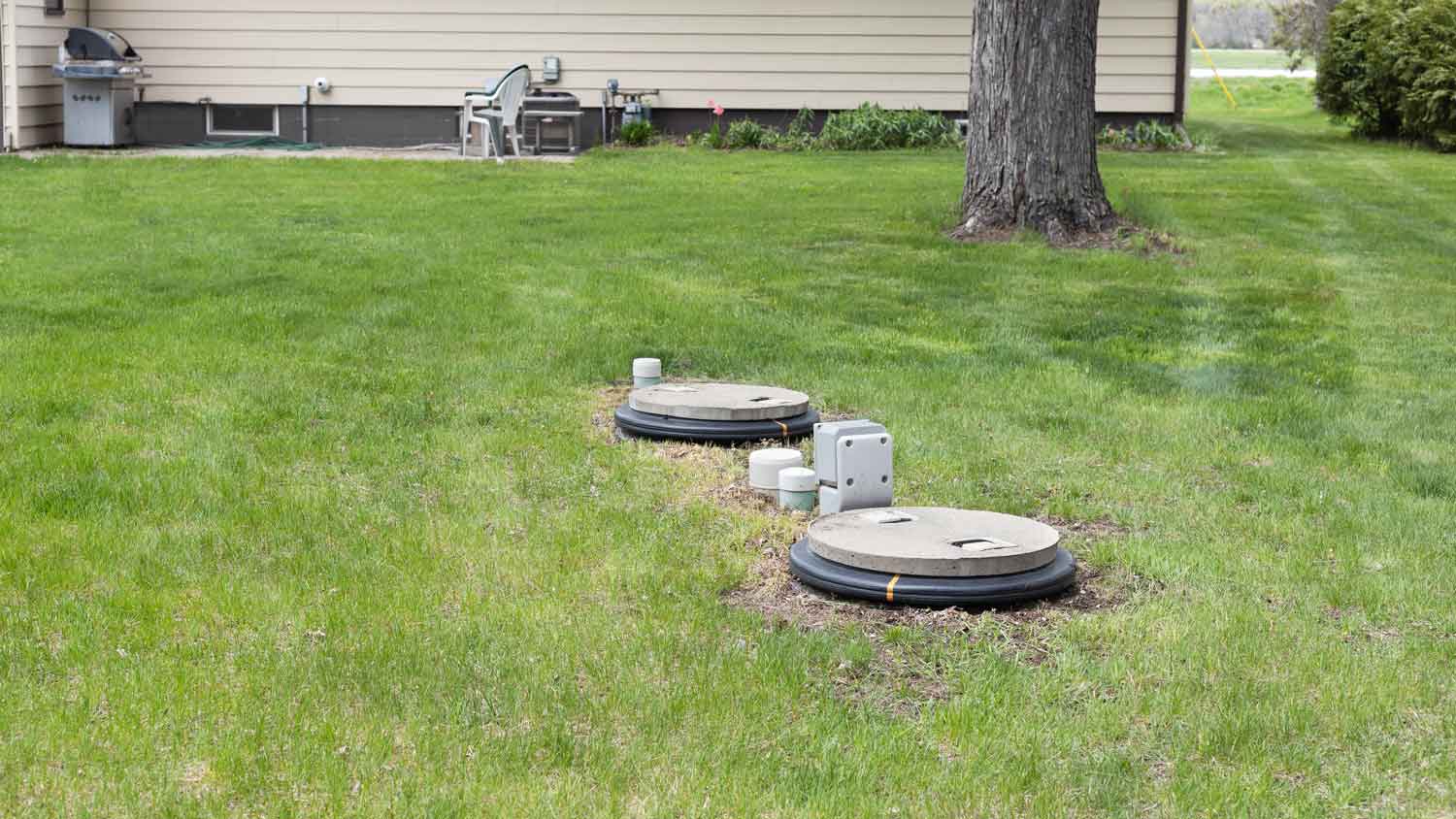
Top-rated percolation testing pros.

Get matched with top percolation testing pros in Gwinn, MI

Enter your zip and get matched with up to 5 pros

Need a pro for your percolation testing project in Gwinn, MI?

Select your specific project to find the pro for you.

TRUSTED BY GWINN, MI HOMEOWNERS

  • Average homeowner rating star icon4.7
    Average homeowner rating
  • Verified reviews icon41
    Verified percolation testing services reviews

Find Percolation testing pros in Gwinn

No results for Percolation testing pro in

Try adjusting your search criteria.
Percolation Tests questions, answered by experts

Asbestos siding can be dangerous, but it doesn't necessarily pose a health risk if it's in good condition and left undisturbed. The danger comes from inhaling asbestos fibers, which can be released if the siding is damaged, deteriorating, crumbling, or disturbed during remodeling or repairs. Exposure to these airborne fibers can cause serious, life-threatening diseases like asbestosis (lung scarring), mesothelioma (an aggressive cancer), and other lung cancers.

If your asbestos siding is intact, the general recommendation is to leave it alone. However, if it's damaged or you plan to renovate, it's crucial to handle it safely. Due to the significant health risks and the difficulty of containing the fibers, it is not recommended to perform any asbestos work yourself. Instead, you should hire a professional asbestos removal company to inspect, repair, encapsulate, or remove the material. The presence of asbestos can also negatively impact your property's value.

If you know your popcorn ceiling has asbestos, you should not attempt to clean it. It simply is not possible to learn how to clean asbestos safely without potentially releasing microscopic fibers into the air that could lead to severe illness in the future. Avoid disturbing or cleaning the ceiling until the asbestos removal company can get rid of the popcorn ceiling.

The signs of asbestos exposure are often subtle and may not appear for many years, or even decades, after initial contact. This long latency period is one of the primary dangers associated with asbestos.

When symptoms do manifest, they can include:

  • Shortness of breath

  • A persistent, dry cough

  • Chest pain or tightness

  • Fatigue

  • Wheezing

  • Weight loss

  • Difficulty swallowing

  • A dry, crackling sound from the lungs when breathing

These symptoms are non-specific and can be mistaken for other respiratory conditions, making diagnosis challenging. Prolonged exposure can lead to serious diseases as the asbestos fibers cause scarring and inflammation in the lungs. These conditions include asbestosis, lung cancer, and mesothelioma.

Due to the vague nature of early symptoms, regular medical check-ups are crucial for anyone with a known history of asbestos exposure, particularly in an occupational setting. If you suspect asbestos is present in your home, a professional inspection is recommended.

Epoxying over asbestos tiles is generally considered a safe option when done correctly. Epoxy acts as a sealant, encapsulating the asbestos tiles and preventing the release of asbestos fibers into the air. The key is ensuring that the asbestos tiles are in good condition, firmly adhered to the substrate, and not damaged or deteriorating. This method is only appropriate for tiles that are undamaged and securely in place. If the asbestos tiles are already loose, damaged, or deteriorating, encapsulating them with epoxy may not be a sufficient solution, as it might not address the potential for ongoing asbestos exposure.

Costs depend on the number of samples, property size, and lab processing fees.

The Gwinn, MI homeowners’ guide to percolation testing services

From average costs to expert advice, get all the answers you need to get your job done.