








Top-rated concrete mudjacking pros.

Get matched with top concrete mudjacking pros in Saint Ignace, MI

Enter your zip and get matched with up to 5 pros

Need a pro for your concrete mudjacking project in Saint Ignace, MI?

Select your specific project to find the pro for you.

Find Concrete mudjacking pros in Saint Ignace

Avatar for Groundworks
Groundworks
5.0(
32
)

Serving Saint Ignace, MI and surrounding areas

Approved (Corporate)

Super Service Award Winner

In business since 2007

Free estimates

Warranties offered

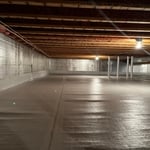
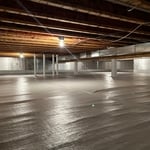
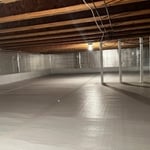
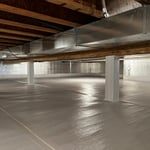
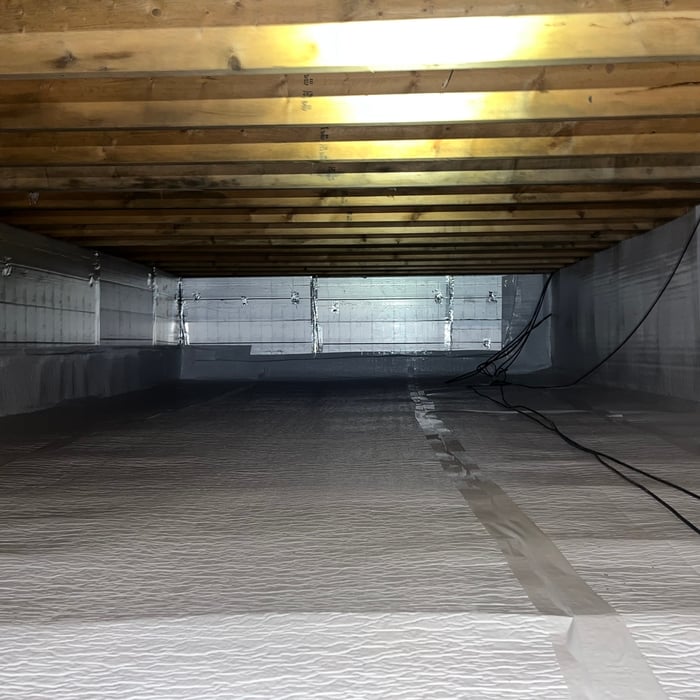
"Jonah, Bryant and Logan performed our crawlspace pump system and encapsulation system. It was grueling work. They were diligent, professional and experienced. They finished the job ahead of schedule and to our complete satisfaction."

Basement
Basement
Basement
Basement
Concrete

+16

65 neighbors recently requested a quote
Recommended by86%of homeowners
Concrete Mudjacking questions, answered by experts

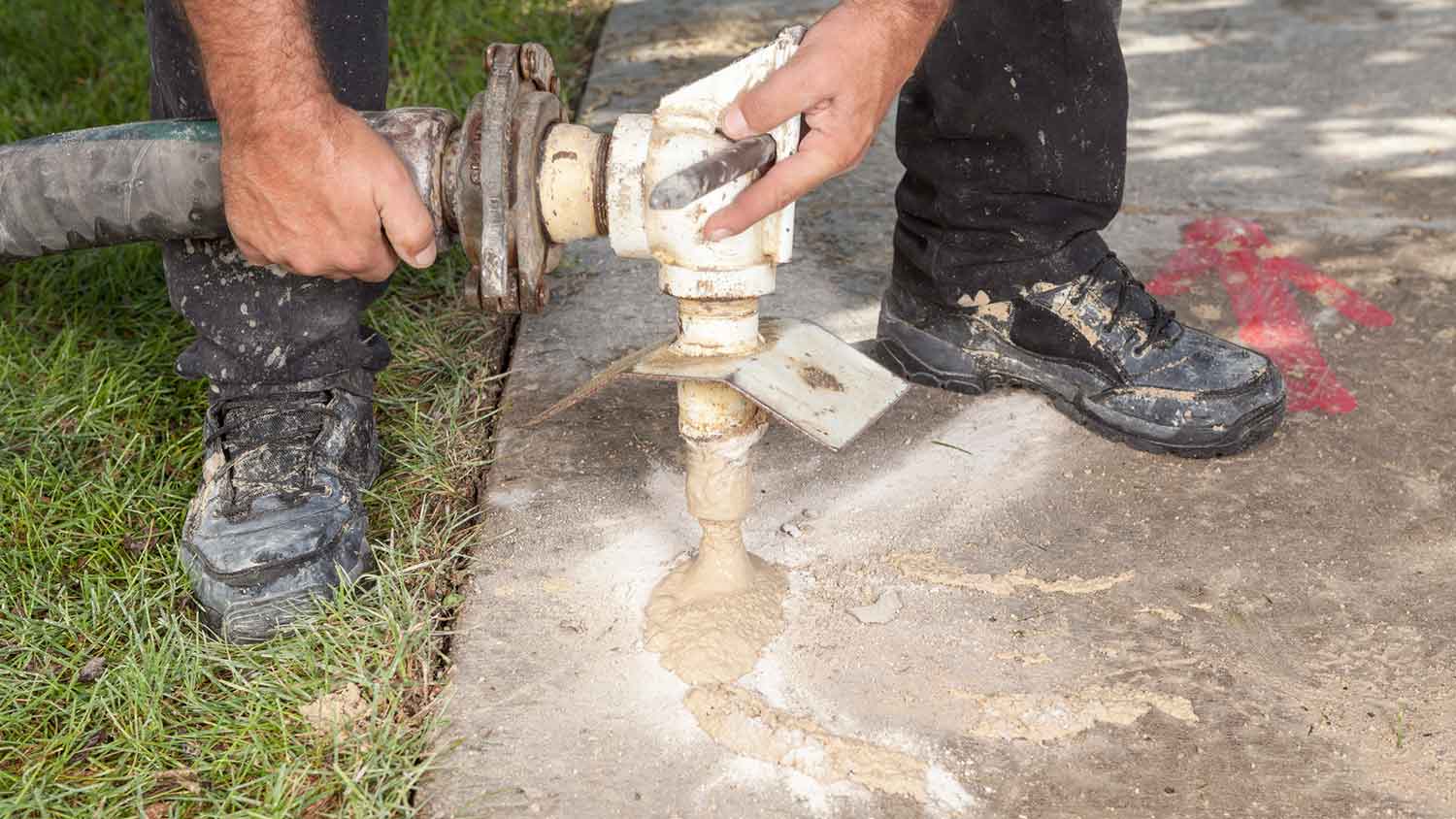
Mudjacking typically takes 24 to 72 hours (one to three days) to dry and cure completely before you can resume normal use. The exact time can vary depending on the size of the project. Because the slurry mixture contains cement, it must fully harden to ensure that added weight from walking, furniture, or vehicles won't shift the concrete slab. A professional contractor can advise you on when the surface is safe to use. For comparison, if you use polyjacking instead, the polyurethane foam can dry in just a few minutes, but it's best to wait about an hour before use.

Polyjacking and mudjacking can both be effective solutions for sinking concrete, but they have key differences. Polyjacking, which uses expanding polyurethane foam, is often considered a better option because the foam is significantly lighter than the cementitious material used for mudjacking. This reduced weight puts less pressure on the underlying soil and lowers the risk of future sinking. Polyjacking is suitable for any sinking concrete slab, while mudjacking is typically only recommended for non-structural concrete, such as sidewalks, patios, pool decks, and driveways. The primary drawback of polyjacking is its cost, which can be up to four times higher than mudjacking—as much as $25 per square foot compared to a maximum of about $6 per square foot for mudjacking.

The polyurethane used for polyjacking will expand and cure in 15 to 30 minutes. After that point, your slab will be safe to walk on and even drive on in the case of a sidewalk or concrete driveway. Double-check with your concrete lifting specialist to confirm a curing timeline, as products can differ.

Mudjacking typically takes 24 to 72 hours (one to three days) to dry and cure completely before you can resume normal use. The total drying time can vary depending on the size of the project. Because the slurry mixture contains cement, it needs to harden fully to prevent the concrete slab from shifting under added weight. You should avoid walking on the concrete or placing heavy items like furniture or vehicles on the surface until it has fully set. Your concrete contractor can provide a precise timeline. As a point of comparison, if you opt for polyjacking, the polyurethane foam can dry in minutes, but it's recommended to wait about an hour before use.

Most states and municipalities don’t require concrete mudjacking companies to carry a specific license, but they usually need to have a general contractor’s license, and they should be fully insured. The only exception is if the mudjacking company provides foundation repairs as well, or if it offers mudjacking for home foundations. In that case, they will typically need a foundation repair contractor’s license. You can check state requirements and then use Angi’s license lookup tool to confirm that a company is properly licensed to provide mudjacking services in your area.

The Saint Ignace, MI homeowners’ guide to concrete mudjacking services

From average costs to expert advice, get all the answers you need to get your job done.

What do you need done? We’ll find top pros.
  • 🌱 "Mow a small front yard"
  • 🛠 "Fix a leaking pipe under the sink"
  • 🏠 "Repair shingles on an asphalt roof"