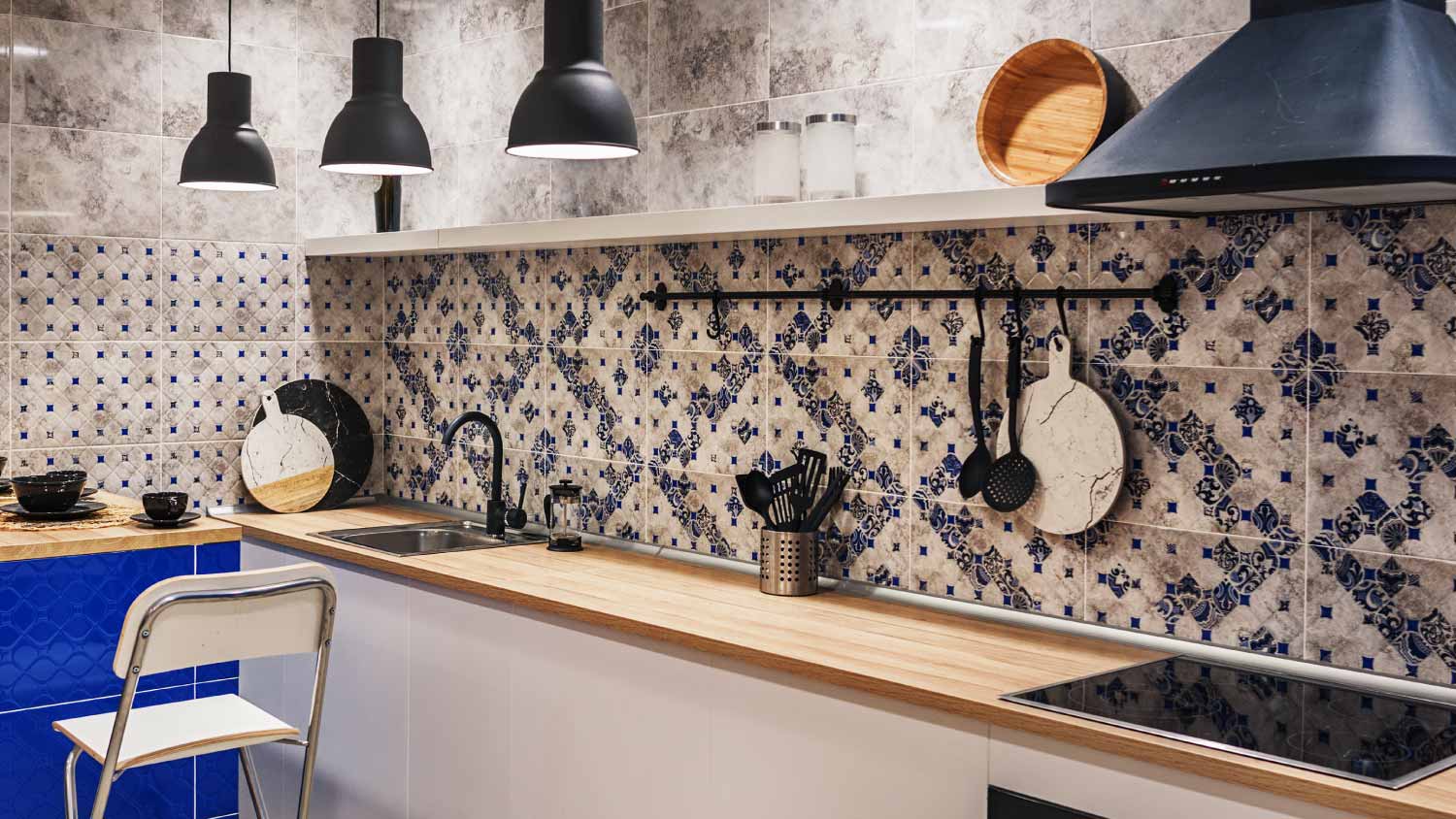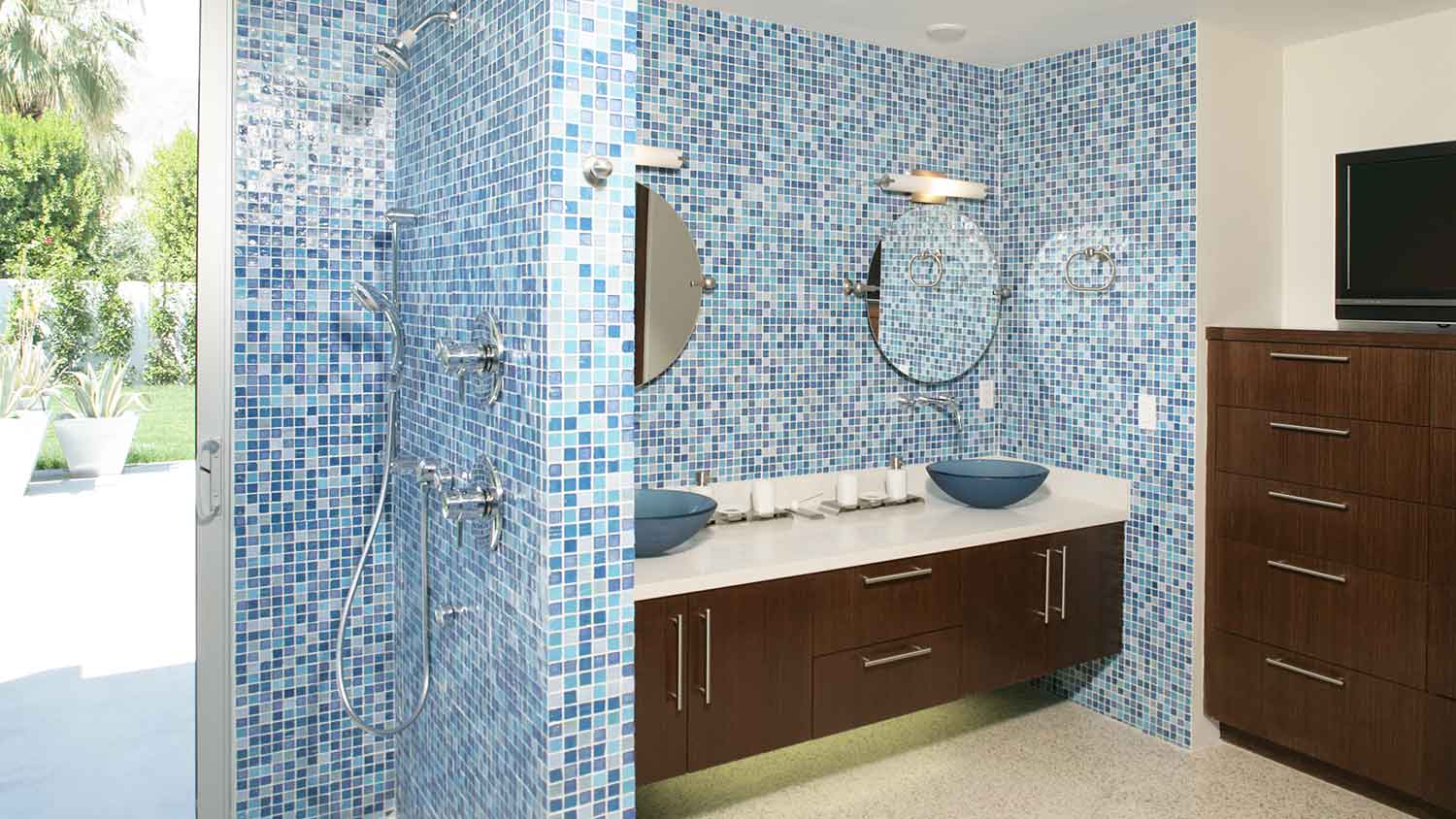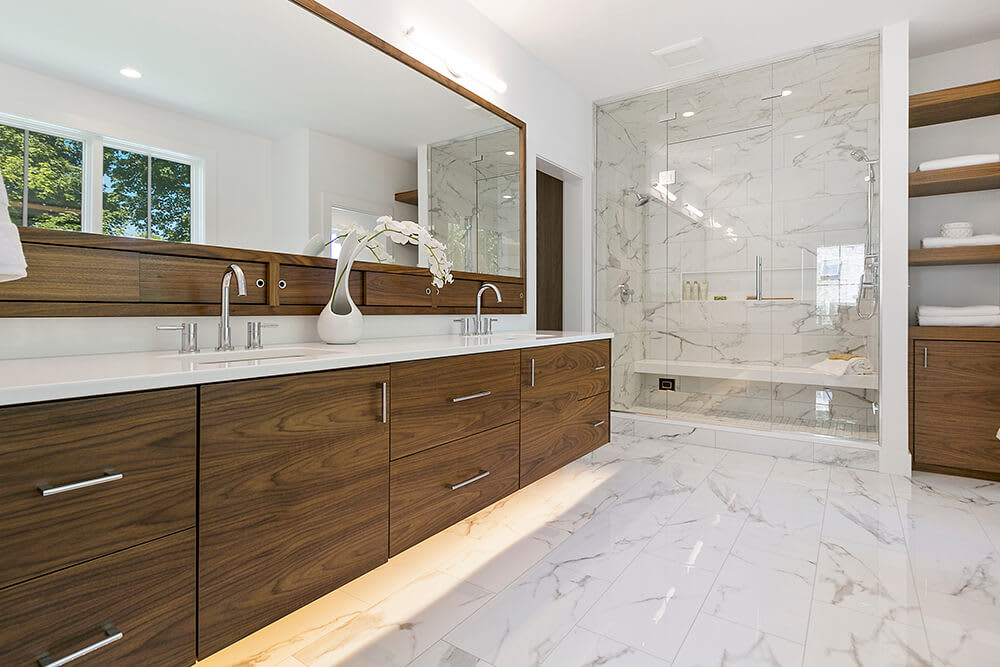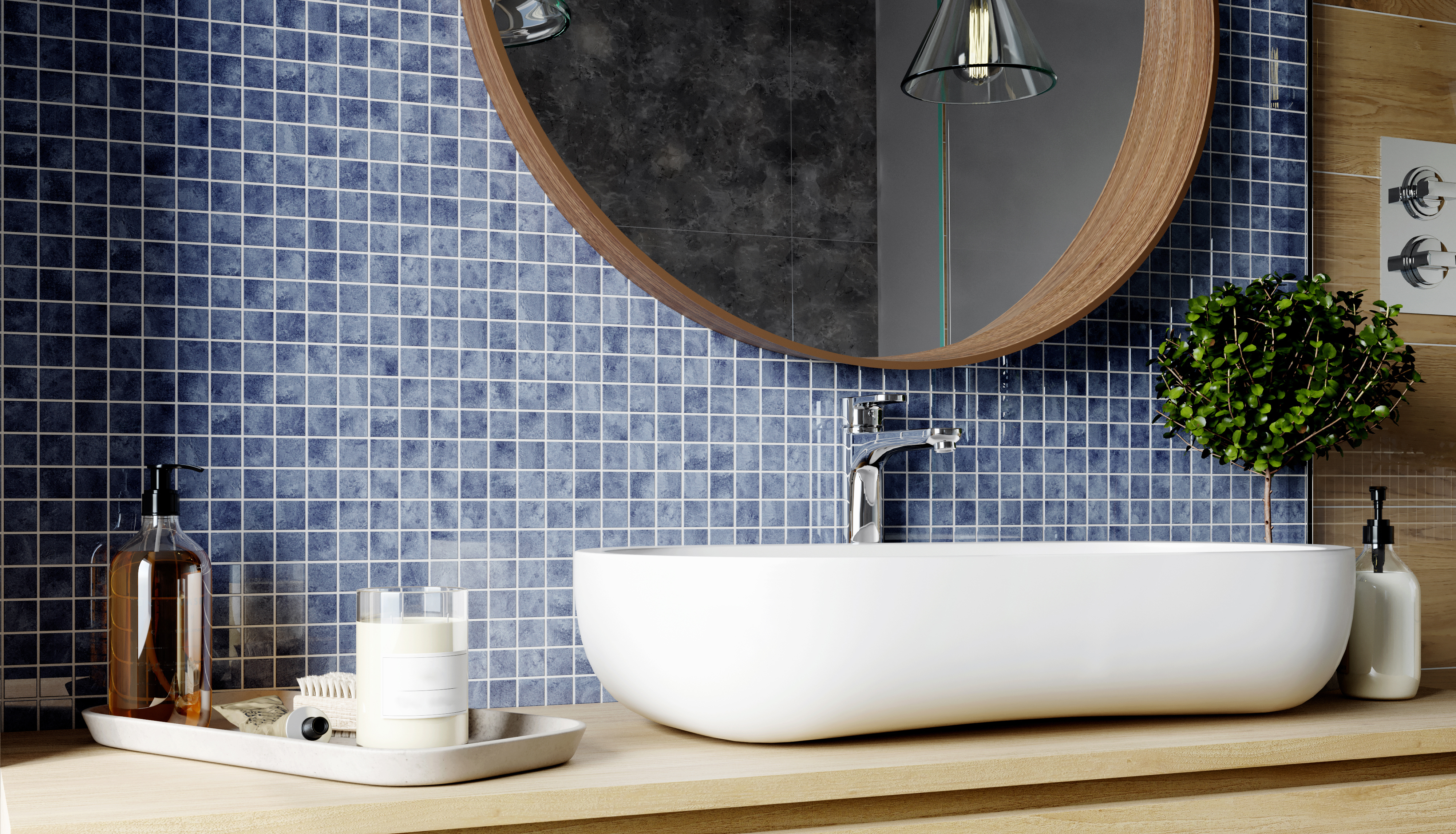





Top-rated ceramic tile pros.

Get matched with top ceramic tile pros in Quinnesec, MI

Enter your zip and get matched with up to 5 pros

Need a pro for your ceramic tile service project in Quinnesec, MI?

Select your specific project to find the pro for you.

Find Ceramic tile pros in Quinnesec

Pearson Construction
New to Angi

Serving Quinnesec, MI and surrounding areas

In business since 2017

Free estimates

We pride our company on reliability, integrity and quality work. When Pearson Construction, is hired, we make it a point to provide the highest level of customer service. We work with both residential and commercial clients, and apply the same attention to detail regardless of project size or complexity. Whether you need plaster or drywall work done, Pearson Construction is the company to call. \n

Showing 1-10 of 11
Ceramic Tile questions, answered by experts

Grout and caulk are commonly used together, especially in bathrooms. Grout goes between the tiles and keeps them sturdy and in place on the walls or floor. Caulk goes in corners or where two different materials meet (like where the bathtub meets the tile) to create a waterproof seal. However, they are not interchangeable—you shouldn't use caulk to adhere tile and shouldn’t use mortar if you need a waterproof seal.

Uniform spacing between tiles is important for a professional and clean appearance. To achieve this spacing, tile spacers should be placed between the tiles and left in place until the mortar hardens and the tiles are secure. You can use X-shaped spacers vertically in between the tiles and laid flat at the corners.

Tile shouldn’t be set tight against the tub. Bathtubs can expand when filled, and they can shift slightly with the weight of occupants. For this reason, it’s important to leave a slight gap between the bathtub and the first row of tile. Aim for a narrow gap of approximately 1/16 of an inch, filled with caulk, to allow for this expansion and movement while still allowing for tile shower waterproofing.

Yes, but you should only put tile directly on drywall in smaller areas that don’t experience excess moisture. For example, a small kitchen tile backsplash could work, but installing tile directly on the drywall in a bathroom or other chronically damp area is not a good idea. Either way, a cement backer board is a far more reliable solution, as drywall is susceptible to moisture and can warp or cause your tiles to crack.

On average, tiling a bathroom involves about 12 hours of labor, usually spread over two to three days to accommodate prep work and curing times. A professional tiler can often complete the installation in 6 to 8 hours, whereas a DIYer might take 10 to 16 hours. The total project time is influenced by factors like the bathroom layout, tile type, and necessary prep work, such as removing old tile. The process includes specific timelines for different areas; for example, tiling a floor takes about six hours, while a shower area can take six to ten hours. It is essential to allow for adequate curing time—typically 24 hours each—for the mortar, grout, and caulk, which is why the project extends over several days.

The Quinnesec, MI homeowners’ guide to ceramic tile services

From average costs to expert advice, get all the answers you need to get your job done.

What do you need done? We’ll find top pros.
  • 🌱 "Mow a small front yard"
  • 🛠 "Fix a leaking pipe under the sink"
  • 🏠 "Repair shingles on an asphalt roof"