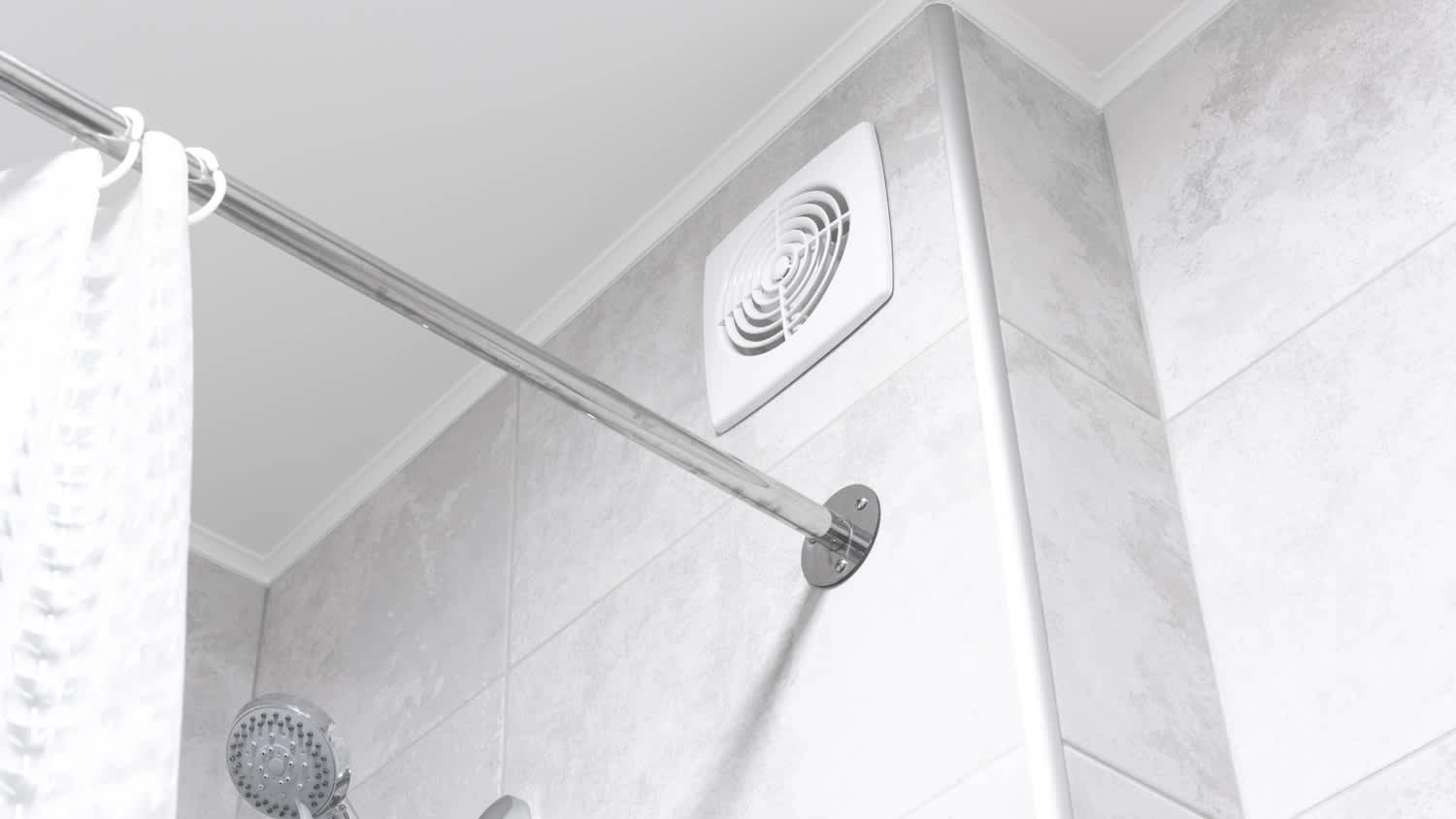








Top-rated bathroom fan installation pros.

Get matched with top bathroom fan installation pros in Mio, MI

Enter your zip and get matched with up to 5 pros

Need a pro for your bathroom fan installation project in Mio, MI?

Select your specific project to find the pro for you.

TRUSTED BY MIO, MI HOMEOWNERS

  • Average homeowner rating star icon4.5
    Average homeowner rating
  • Verified reviews icon34
    Verified bathroom fan installations reviews

Find Bathroom fan installation pros in Mio

Avatar for New Janitorial Services
New Janitorial Services
5.0(
1
)
Bath Exhaust Fan - InstallBath Exhaust Fan - Repair

Serving Mio, MI and surrounding areas

In business since 2002

Emergency services offered

Hello this is Jason Garcia with New Janitorial Services we provide Carpet Cleaning, Commercial Floor Cleaning, Industrial & Commercial Cleaning, Hardwood Floor Refinishing. New Janitorial Services provides the best Cleaning Services as well as the best prices all across Michigan. We have 25+ years of experience and you can reach me at (313)768-4756 or at (313)212-1338 we do FREE ESTIMATES.

Additional Photos
Additional Photos
Additional Photos
Additional Photos
Recommended by100%of homeowners
Bathroom Fan Installation questions, answered by experts

Yes, dust and pollen on a fan can trigger allergy attacks in many people. Additionally, fan blades can hold onto potentially dangerous bacteria particles before they die out. That’s why it’s important to keep all of the fans in your home clean and dust-free, which will help avoid any sickness or allergy flare-ups.

You should generally avoid using WD-40 on a ceiling fan. While it might quiet a squeak temporarily, it is primarily an anti-corrosion and water displacement agent, not a true lubricant, and can damage the fan's components over time. Most modern ceiling fans have sealed bearings and do not require oiling, so a squeak may indicate another issue. For fans that do require lubrication, it is better to use a light machine oil, 30-weight motor oil, or a lubricant specifically designed for ceiling fans.

Most people describe the sound of an unbalanced ceiling fan as a buzzing or grinding noise. This is caused by the parts of the fan rubbing or rattling against each other as the blades spin. However, a wobbling fan can also make squeaking, rattling, or thumping sounds, depending on the severity of the balance issue.

The direction you want your ceiling fan to move in depends on the season you’re in. During summer, you want it to move counterclockwise to produce a cooling downdraft. During winter, you want it to move clockwise to circulate warm air throughout the room.

There are many types of ceiling fans available, each designed for different spaces and needs. Standard ceiling fans are the most common type and work well in most rooms. Low-profile ceiling fans are better suited for rooms with low ceilings. Smart ceiling fans can be controlled with a smartphone or voice commands. For larger spaces with ceilings between 10 and 25 feet high, large ceiling fans are ideal. Dual-motor fans have two motors to produce more airflow in multiple directions. You can also find energy-efficient or Energy-Star models that can be up to 60% more efficient, as well as fans with built-in lights or retractable blades.

The Mio, MI homeowners’ guide to bathroom fan installations

From average costs to expert advice, get all the answers you need to get your job done.