

Top-rated tree service pros.

Get matched with top tree service pros in Madison Heights, MI

Enter your zip and get matched with up to 5 pros

Need a pro for your tree service project in Madison Heights, MI?

Select your specific project to find the pro for you.

TRUSTED BY MADISON HEIGHTS, MI HOMEOWNERS

  • Average homeowner rating star icon4.6
    Average homeowner rating
  • Verified reviews icon1.1k+
    Verified tree services reviews

Find Tree service pros in Madison Heights

Avatar for A.R Tree Service LLC
A.R Tree Service LLC
4.8(
22
)
Tree Removal

Serving Madison Heights, MI and surrounding areas

Approved

Free estimates

Emergency services offered

Warranties offered

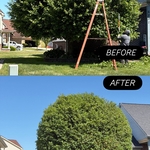
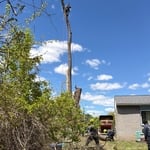
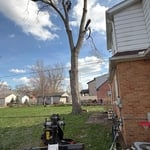
"I highly recommend this tree removal company! They were professional, punctual, and extremely hardworking from start to finish. The crew worked safely and efficiently, and the quality of their work exceeded my expectations. They took great care of my property, cleaned up everything before leaving, and made sure the job was done right. Their communication was excellent, the pricing was fair, and they were honest and reliable throughout the entire process. If you’re looking for someone who is dependable, skilled, and truly cares about customer satisfaction, this is the company to call. I will definitely use their services again!"
Tree removal
Tree removal
Tree removal
Tree removal
Tree removal

+3

120 neighbors recently requested a quote
...
Showing 1-10 of 314
Tree Service questions, answered by experts

Some trees, such as silver maples, birches, sycamores, and scotch pines, shed their bark naturally. If your tree is not one that does this, it might have fallen prey to pests, fungi, or diseases. It could also simply be suffering from an extreme weather change, such as a snowstorm or heat wave. If you’re still stumped, consulting with a pro can help you diagnose your tree’s specific problem.

There are several methods to hollow out a tree stump, and the best one depends on your tools, experience, and priorities. Common methods include using a chisel and hammer, a chainsaw, or burning.

  • Chisel and Hammer: This is often considered the easiest approach for those with limited tools or experience, though it is the most time-consuming.

  • Chainsaw: Using a chainsaw is the fastest method, but it comes with significant safety risks, especially for inexperienced users.

  • Burning: This can be an effective method, but it is not recommended unless you can first drill holes into the stump. Without holes, the stump will be difficult to light and may not burn completely through.

A power drill with at least a ⅜-inch diameter bit can make the job quicker and easier, regardless of the primary method. While you can use a chisel or chainsaw without a drill, it will require more time and effort. Always wear protective goggles and thick gloves, as splinters are an inevitable risk.

The best time to transplant a tree is when it is dormant. For many trees, this means either in the fall after the leaves have dropped (around October or November) or in early spring before new growth begins (around March). The ideal timing can depend on the type of tree. Deciduous trees do well when moved in early spring or fall, while evergreens are best transplanted in early spring or late summer. For example, pine trees are best moved in early fall, but maples prefer late fall. Avoid transplanting in winter, as the frozen or hard, cold soil poses a significant risk to the roots and prevents the tree from acclimating properly.

Since each tree is different, it’s impossible to say how long a dead tree can remain on your property. While it could be days, months, or even years, it’s highly likely that, at some point, the tree will fall. In the meantime, dying or dead trees can become a haven for pests, so it’s best to have them removed sooner rather than later.

There are a few instances in which removing a tree is the best option. You might do this if the tree looks to be a major danger—potentially falling onto your home, your car, or other parts of your property—or it’s diseased beyond repair. A tree that is growing too close to your house might need to be removed to prevent mold growth.

The Madison Heights, MI homeowners’ guide to tree services

From average costs to expert advice, get all the answers you need to get your job done.