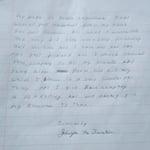
"control woodchuck infestation Excellent job of educating me on behavior of animal and how to keep under control. He was very well informed and pleasant to deal with."
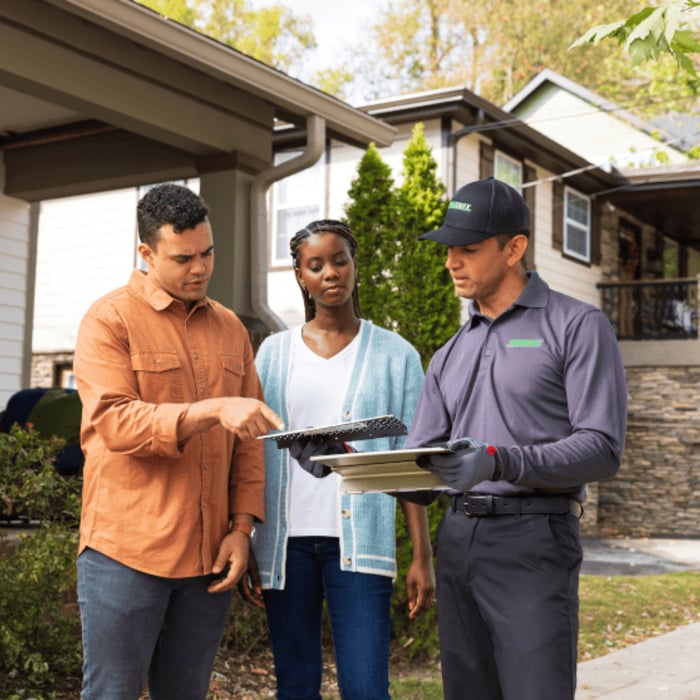
When pests show up, so do we.\n\nFor nearly a century, Terminix® has been one of America's most trusted names in pest control. Every day, our exterminators serve thousands of homes and businesses nationwide, combining national service with local knowledge to provide best-in-class, proactive pest management solutions. We stop problems before they start and respond quickly if issues arise, keeping your property protected.\n\nAnd for extra peace of mind, if pests come back, so do we — guaranteed.\n\nThe Terminix It Guarantee means that if pests come back, so do we, to re-treat at no additional cost. No excuses, just a commitment to care for your home like it's our own with protection you can trust.
We take great pride in our experience, expertise, quality, and customer service that we provide to meet the consumer's needs. It is our mission to provide excellent workmanship and complete customer satisfaction from start to completion of a project. In order to understand the needs and expectations of our customers, we take great care to work and communicate with every customer in a professional manner. Our reputation is based on service, safety, and quality, regardless of how large or small the job.
Here at Wipeout we are a small family ran pest management company. We have proven technology in getting rid of all pest problems. We offer a 1 year warranty on all bedbug treatments, and a 90 day on most of our services.
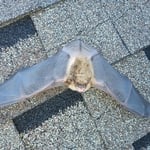
We have the experience in Bat and Rodent Management and we are committed to providing quality workmanship and superior customer service on all our Bat and Rodent Management Programs. We at Bergs Pest Control strive to maintain our reputation as a high quality, very service oriented company with our main focus on managing your Bat, Rodent and Wildlife concerns.\n\nCall us to schedule your Service Evaluation today at 989-685-0099! Service evaluation discount of $80 off available making the $275 evaluation only $195.
Identifying the specific animal running on your roof at night can be challenging without direct observation. Common nocturnal roof visitors include raccoons, squirrels, opossums, and rats. Raccoons are bigger and can create heavy thumping sounds. Squirrels are agile and may produce rapid scurrying noises. Opossums tend to move stealthily with less noise. Rats can make scratching or gnawing sounds. To determine the culprit, look for signs like footprints, droppings, or damaged areas near the roof. For accurate identification, consult a pest control professional or set up wildlife cameras near potential entry points.
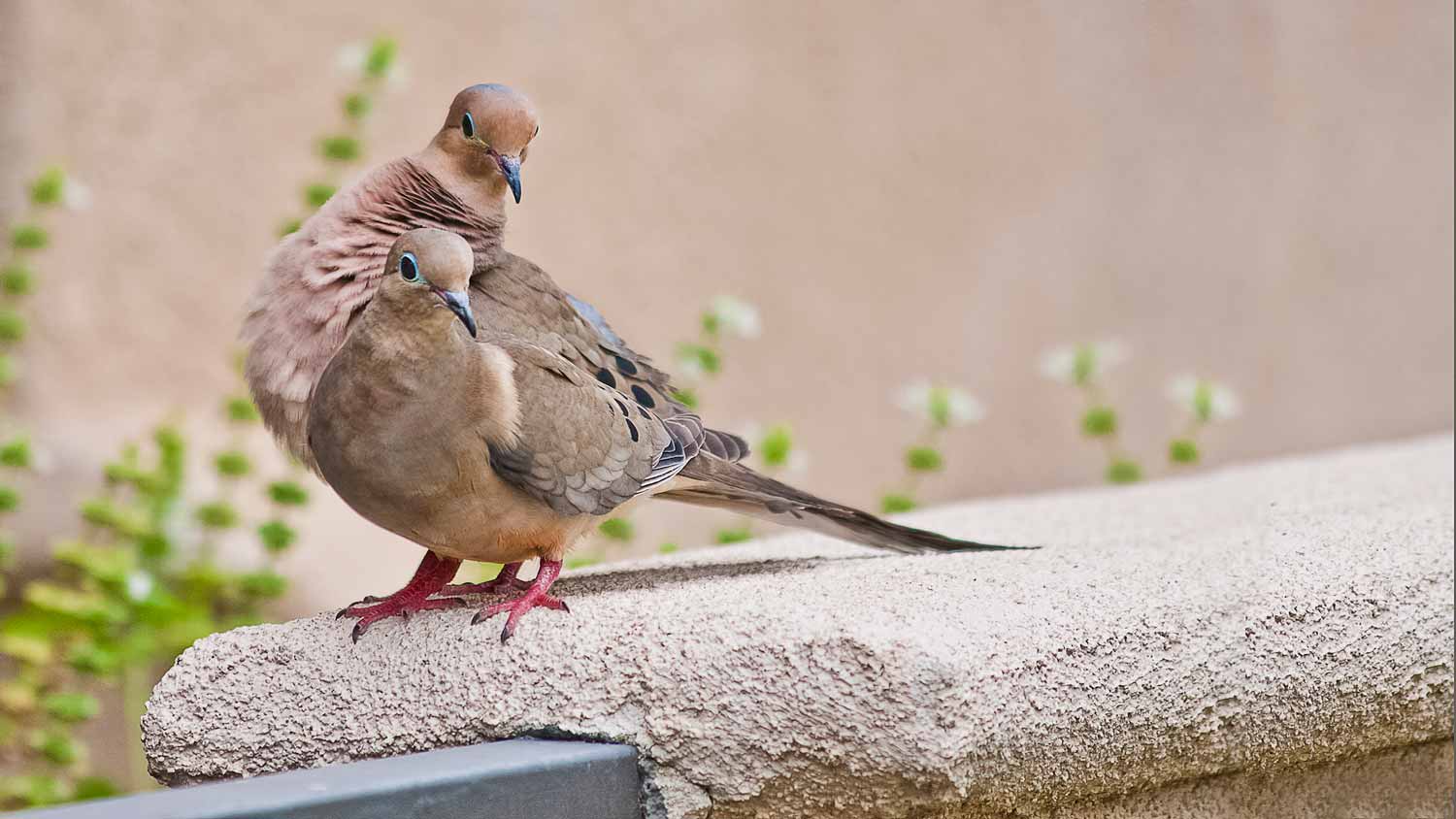
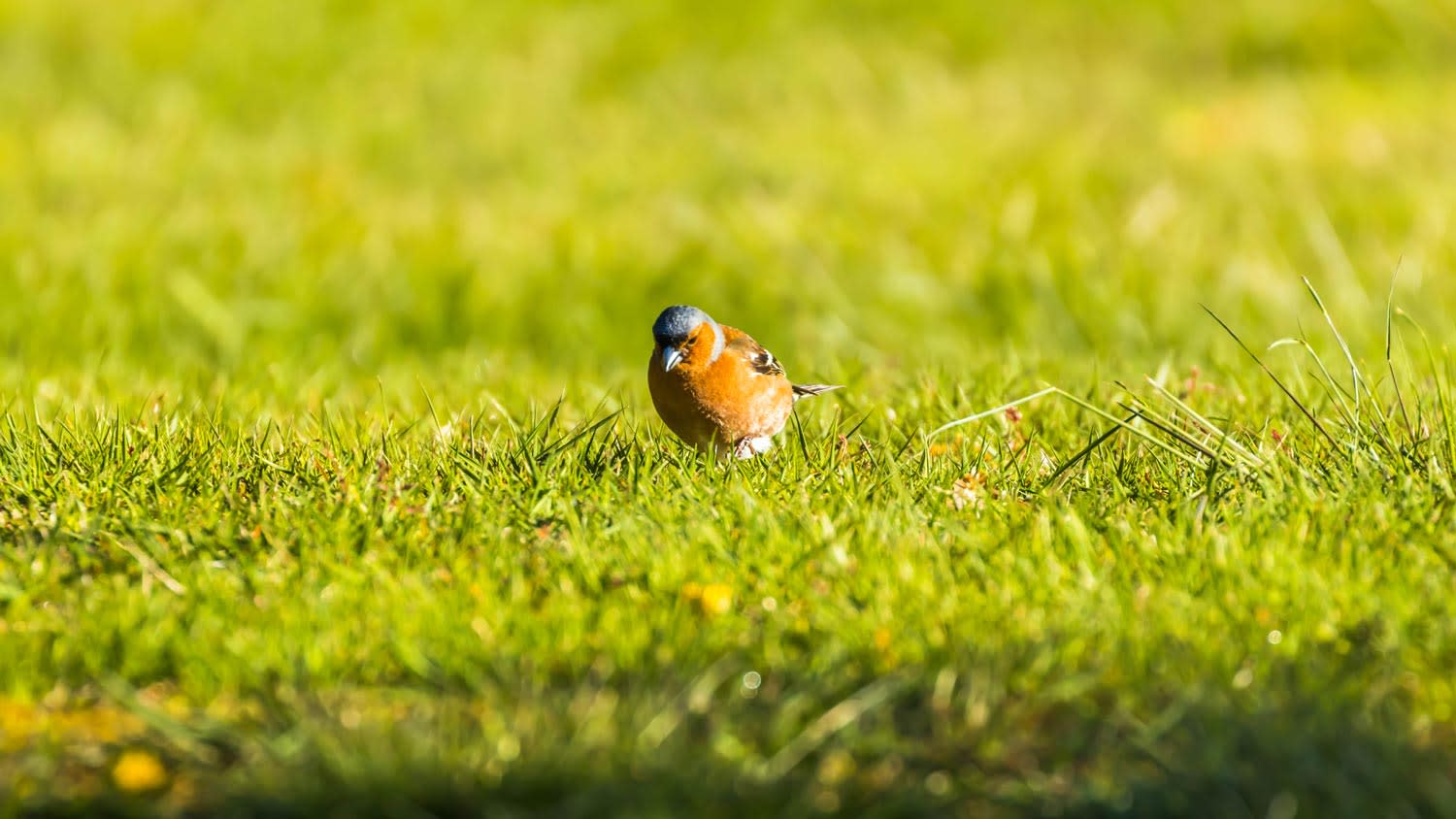
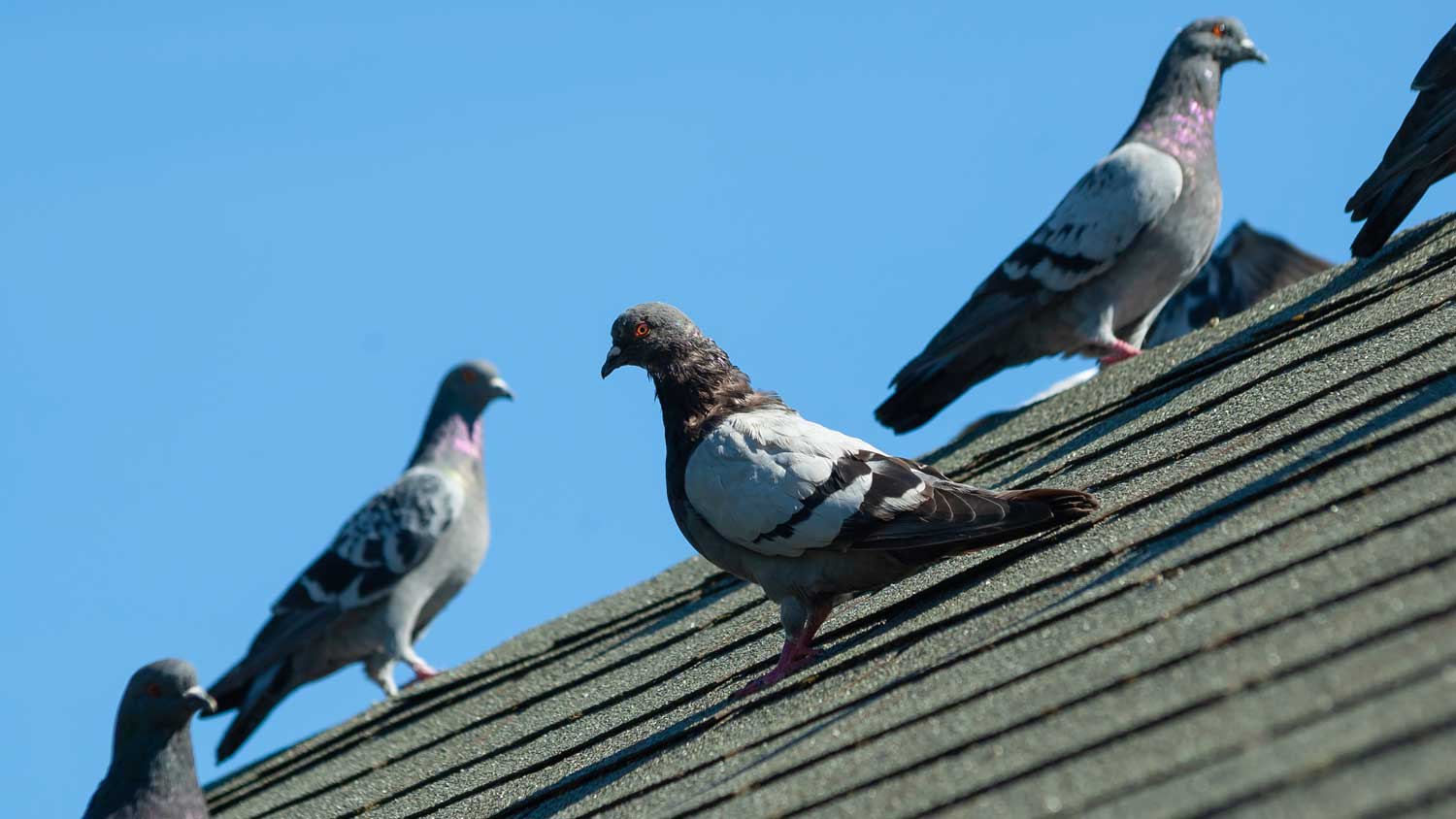
You can find a variety of humane bird repellent sprays online and at home improvement stores. However, if you want to try a DIY method that will keep birds away without harming them, mix some water, dish soap, and a few drops of peppermint oil and spray the area you want bird-free. Peppermint oil is a notoriously lovely smell for humans, but birds tend to avoid it.
DIY animal removal is rarely a good idea and is not advised for many reasons. First, these types of animals can carry diseases and, therefore, pose a health risk to you, your family, and your pets if mishandled. Second, depending on your city or municipality, it may be illegal to remove or handle wildlife yourself.
Sealing your home against these animals yourself is also a bad idea. Trapping an animal under your house will cause odor and insect problems when it passes away.
The cost of pest control services depends on various factors, but the average homeowner pays around $175, with a typical range of $100 to $500. Your final cost will be influenced by the type of pest, the size and severity of the infestation, and the number of treatments needed.
Service costs also vary by frequency:
One-time service: $300–$550
Initial visit for ongoing service: $150–$300
Monthly visits: $40–$70
Quarterly visits: $100–$300
Annual visits: $300–$550
For specific pest examples, getting rid of spiders typically costs between $100 and $300, whereas a termite infestation can cost from $230 to $2,500 or more, depending on the extent of the damage.
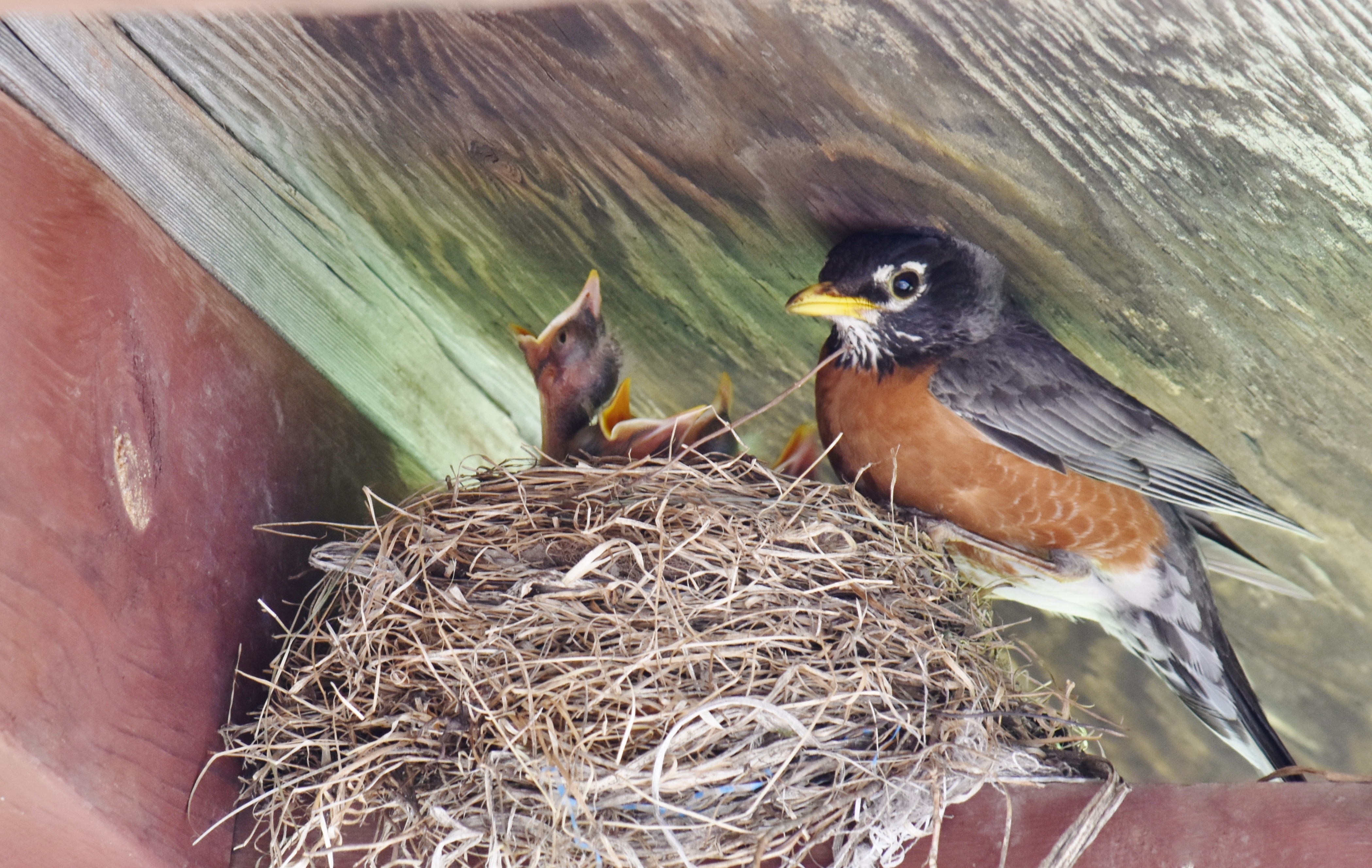
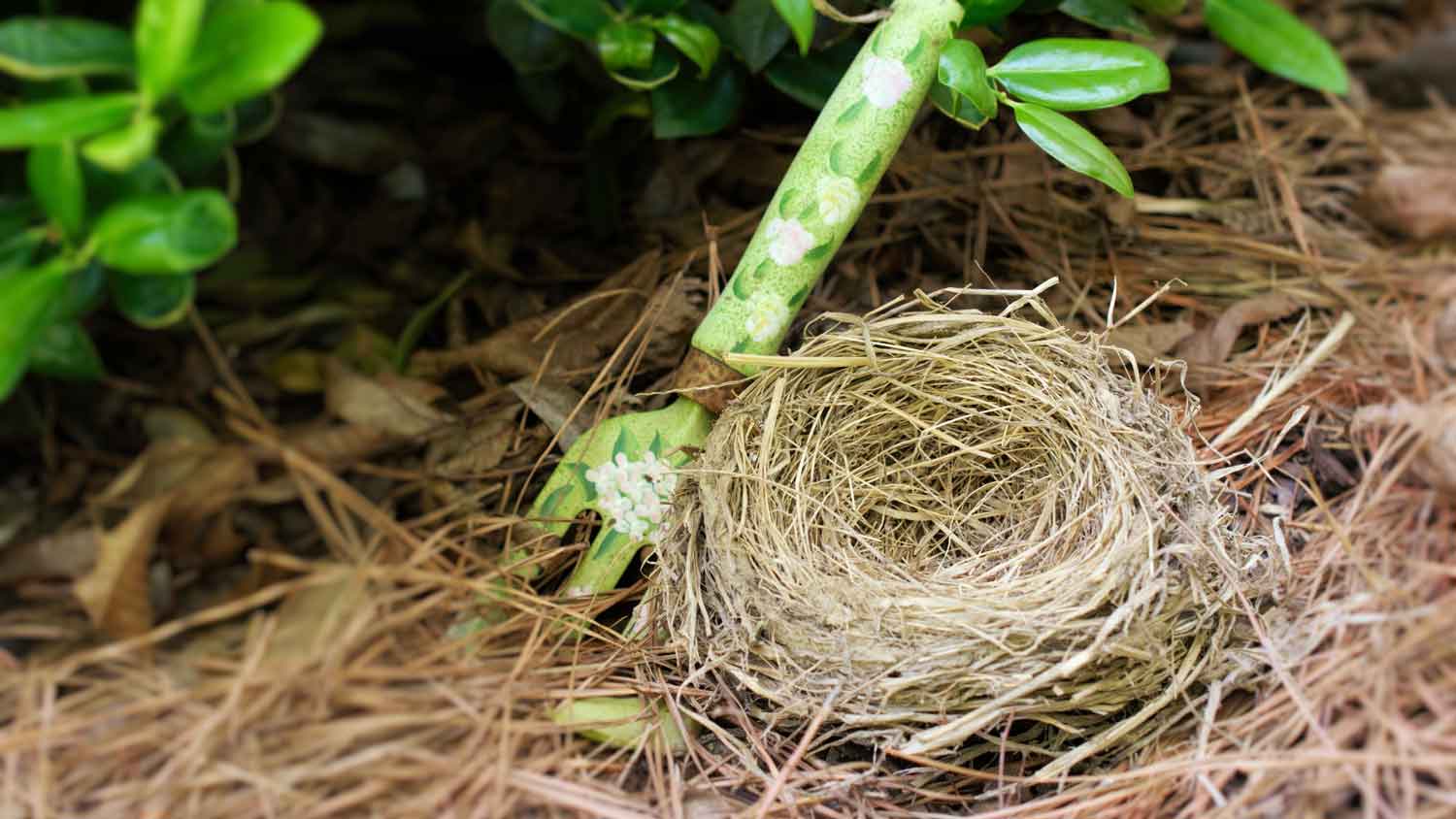
Once the animals and their young are out of the house, remove the nest and locate any entry points. Some may be difficult to find because some animals can fit through very small holes. Once you’ve located as many entry points as possible, use materials such as metal or masonry to block off the entry. Ideally, you should choose materials that most animals cannot chew through. Create a one-way door or flap to allow animals to leave but not return. Additional methods include using repellants designed to make an area unappealing to the types of animals that find your home so inviting.
The Long Lake, MI homeowners’ guide to bird control services
From average costs to expert advice, get all the answers you need to get your job done.
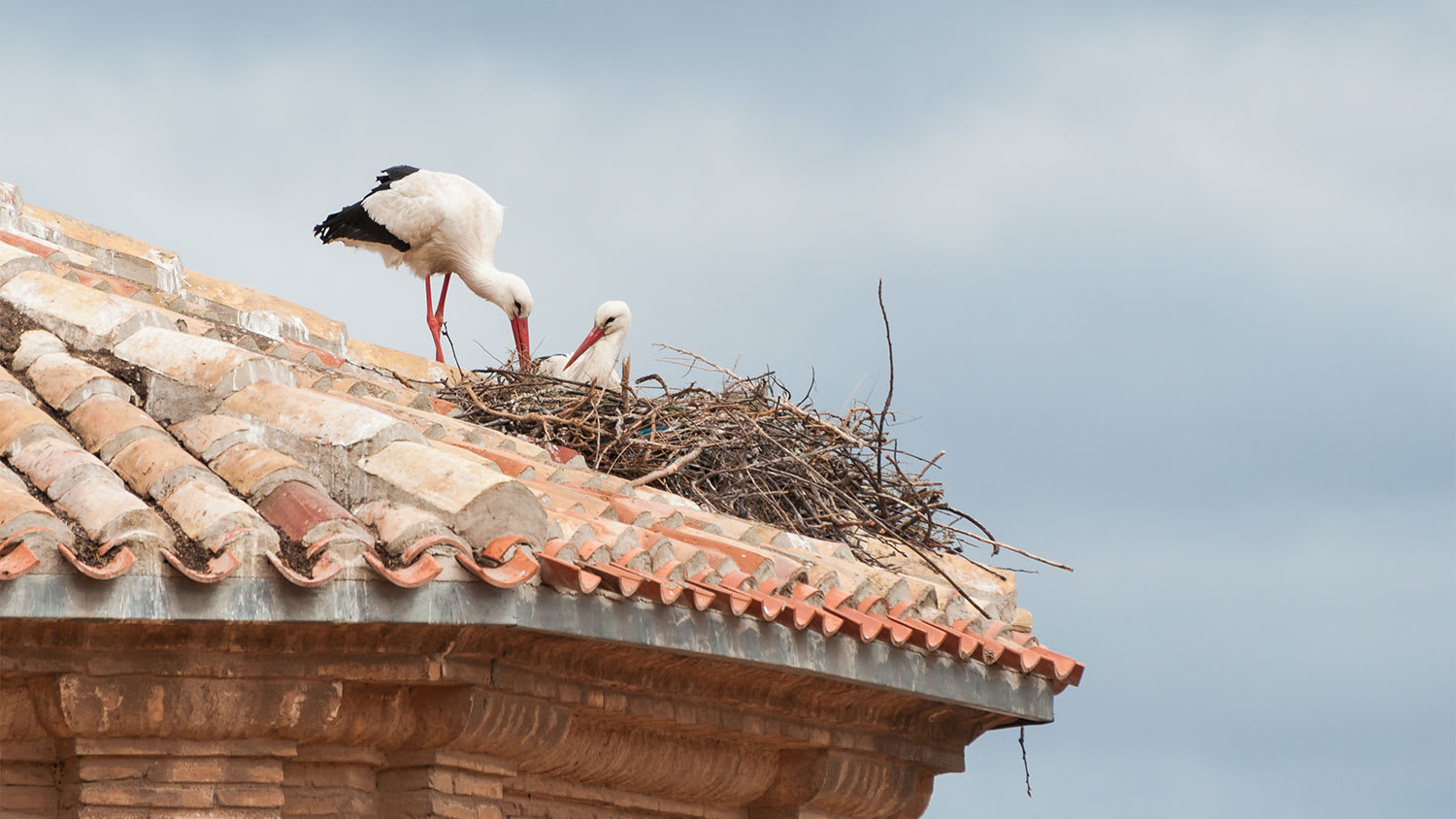
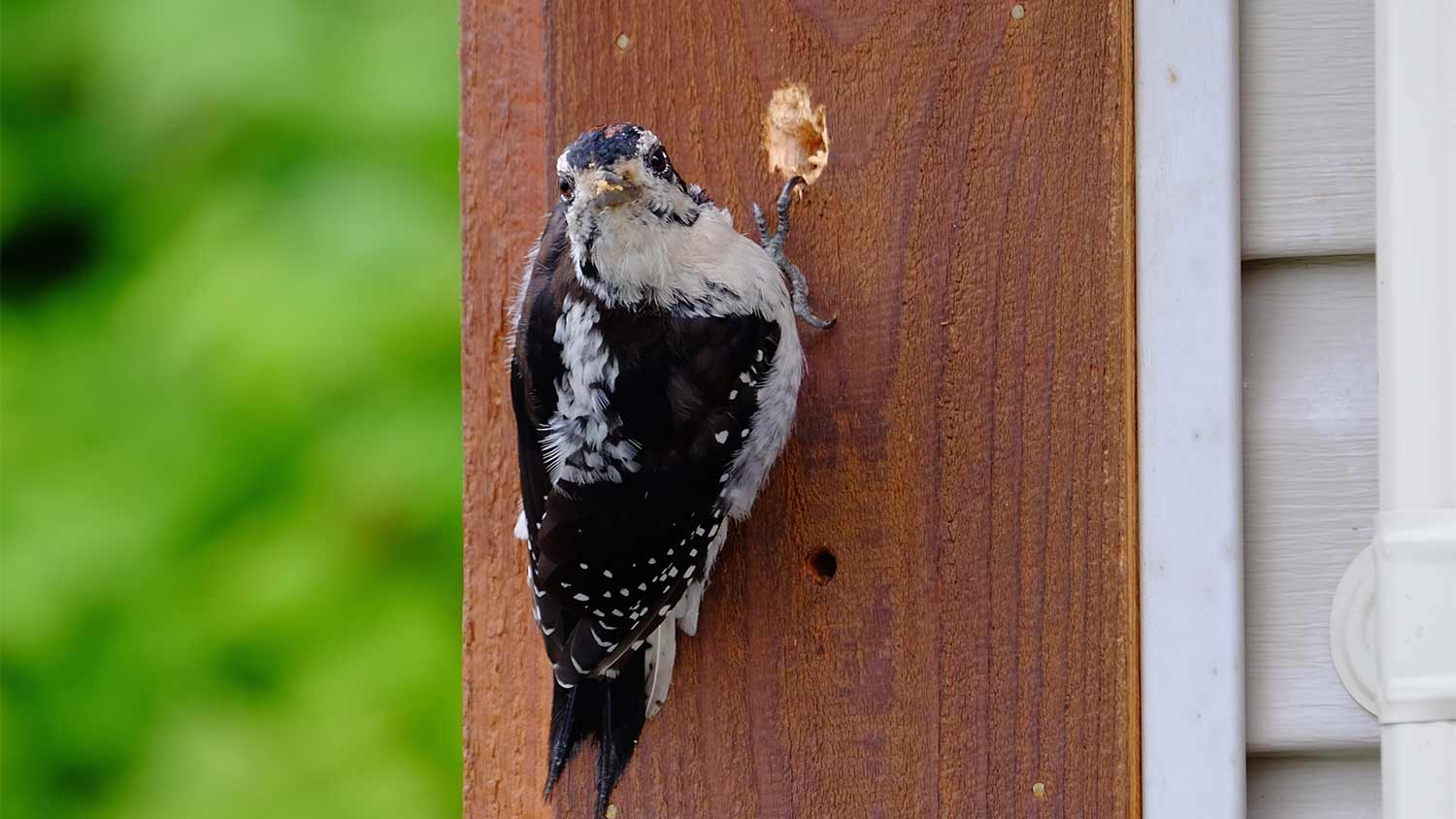
Sometimes birds nest in unwelcome places. Find out how much bird nest removal will cost based on factors like location, bird species, and preventative measures.