




Top-rated deck staining pros.

Get matched with top deck staining pros in Hopkins, MI

Enter your zip and get matched with up to 5 pros

Need a pro for your deck staining project in Hopkins, MI?

Select your specific project to find the pro for you.

TRUSTED BY HOPKINS, MI HOMEOWNERS

  • Average homeowner rating star icon4.4
    Average homeowner rating
  • Verified reviews icon17
    Verified deck staining services reviews

Find Deck staining pros in Hopkins

Avatar for M C Painting
M C Painting
4.5(
96
)
Exterior Home or Structure - Paint or StainExterior Home or Structure - Paint or Stain: LargeExterior Home or Structure - Paint or Stain: Medium

Serving Hopkins, MI and surrounding areas

Approved

Super Service Award Winner

In business since 1998

Free estimates

Warranties offered

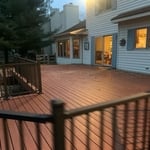
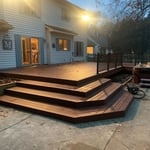
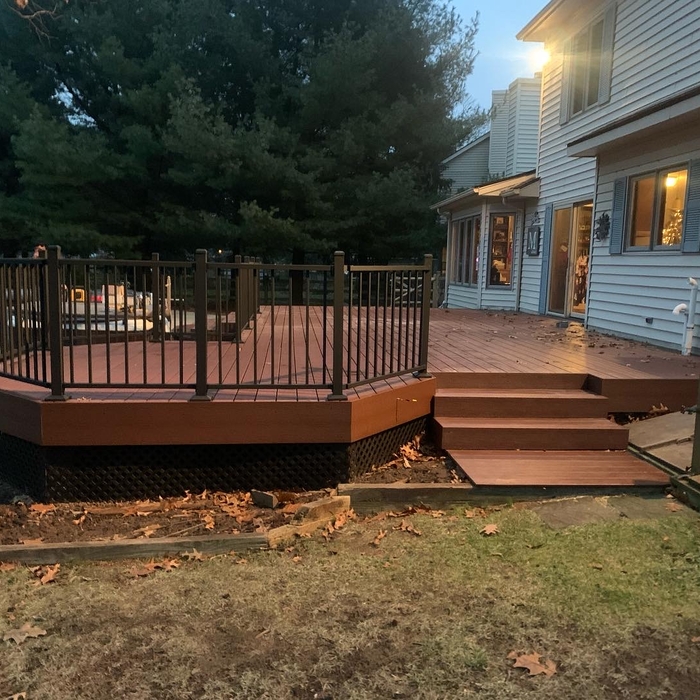
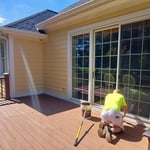
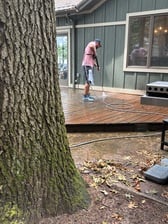
"David was incredibly responsive and had great customer service. He cares about the customer being satisfied with the job. The deck turned out very nice. (note: I was a tiny bit worried about the painter diluting the stain (oil based) with water but it seems this is something that's sometimes done when using a sprayer. I do wish it was diluted with mineral based solution vs water but everything seemed to turn out well and I'm happy with my deck)"
Additional Photos
Additional Photos
Additional Photos
Additional Photos
Additional Photos

+18

Response time6 hrs
7 neighbors recently requested a quote
Recommended by86%of homeowners
...
Showing 1-10 of 112
Deck Staining questions, answered by experts

Staining pressure-treated wood is a recommended practice. While inherently resilient, it's not impervious to moisture and UV exposure. Staining treated wood is feasible and recommended for enhanced protection and longevity. Applying stain and sealant safeguards against degradation, prolonging its life span. These measures shield the wood from environmental threats while augmenting its aesthetic appeal, ensuring your investment endures the test of time.

Limewash and whitewash are two techniques used to give brick a light, matte finish, but they differ in composition, application, and permanence. The best choice depends on your aesthetic goals and the specific surface.
Composition

  • Limewash: A natural and environmentally friendly option made from limestone, water, and sometimes pigments. It is breathable and soaks into porous surfaces like brick.

  • Whitewash: Traditionally made from lime, water, chalk, and binders, but a similar look can be achieved with watered-down white paint. It is paint-based and sits on top of the surface.

Appearance and Finish

  • Limewash: Provides a natural, textured appearance that allows the brick's character to show through. It offers a more traditional finish.

  • Whitewash: Creates a softer, more opaque finish, often used for a rustic or shabby-chic style.

Application and Permanence

  • Limewash: Is semi-permanent and can be removed, making it a good choice if you might want to change the look in the future. It requires more skill to apply and cannot be used on previously painted brick.

  • Whitewash: Is a more permanent solution. It is more forgiving to apply and can be used on painted brick. However, because it sits on the surface, it can trap moisture.

Ultimately, if you want a breathable, natural, and reversible finish for unpainted brick, limewash is a great option. If you need a more permanent, opaque coating that can be applied over painted surfaces, whitewash is the better choice. Whitewashing may also be more economical, costing approximately $1.40 to $4.20 per square foot.

Hot, intense sunshine can cause your stain to dry too quickly, which could lead it to look uneven or patchy. If you’re staining the deck during hotter months, it’s best to do it in the morning or evening once the wood has had time to cool down. If you’re staining in cooler weather with less sunshine, the time of day won’t make as much of a difference.

Here's the deal with leaving used rags covered in oil-based stain lying around in a pile: Depending on the conditions, these rags can take just an hour or up to a few days to combust. The source of ignition is caused by trapped heat that can be compounded if the rags are near a heat source.

A concrete overlay is often the most cost-effective way to resurface a pool deck. To do this, you’ll need to pour a thin layer of concrete over the existing pool deck, which you can customize by stamping or painting. A stamped concrete overlay provides additional traction on a pool deck that can help minimize the risk of people slipping and falling.

The Hopkins, MI homeowners’ guide to deck staining services

From average costs to expert advice, get all the answers you need to get your job done.