


Top-rated basement waterproofing pros.

Get matched with top basement waterproofing pros in Hancock, MI

Enter your zip and get matched with up to 5 pros

Need a pro for your basement waterproofing project in Hancock, MI?

Select your specific project to find the pro for you.

Find Basement waterproofing pros in Hancock

Basement Waterproofing questions, answered by experts

If there is standing liquid on your concrete, remove it before attempting any of the above cleaning methods. For small amounts of water, use rags, a bucket, and a mop. For larger areas of liquid, lay down cat litter or baking soda to soak up the water first. If you have extremely large pools of water sitting on your concrete, break out the wet vac and get to work.

Yes, crawl spaces can attract bugs, especially since moisture tends to build up in the space, and moisture attracts pests. A good way to prevent pest infestation in your crawl space is to install a vapor barrier—called crawl space encapsulation—on the interior to seal the space, along with a French drain or some other kind of foundation drainage system outside to keep runoff out of your crawl space. You can also seal foundation cracks and repair damages to cut off access to pests.

Yes, the air from a damp basement can travel up into your living area through a process called the stack effect, so moisture, mold spores, and other debris in your basement air can all decrease your indoor air quality on your main floors. Additionally, damp basements can promote the rotting of building materials, which can damage flooring, insulation, and framing on your first floor in addition to materials in the basement.

Many prevention methods can be used individually or in combination to waterproof your basement. Some of the most common waterproofing methods include:

  • Using dehumidifiers 

  • Silicate concrete sealers

  • Vapor barriers 

  • Baseboard channels 

  • Drain tile systems

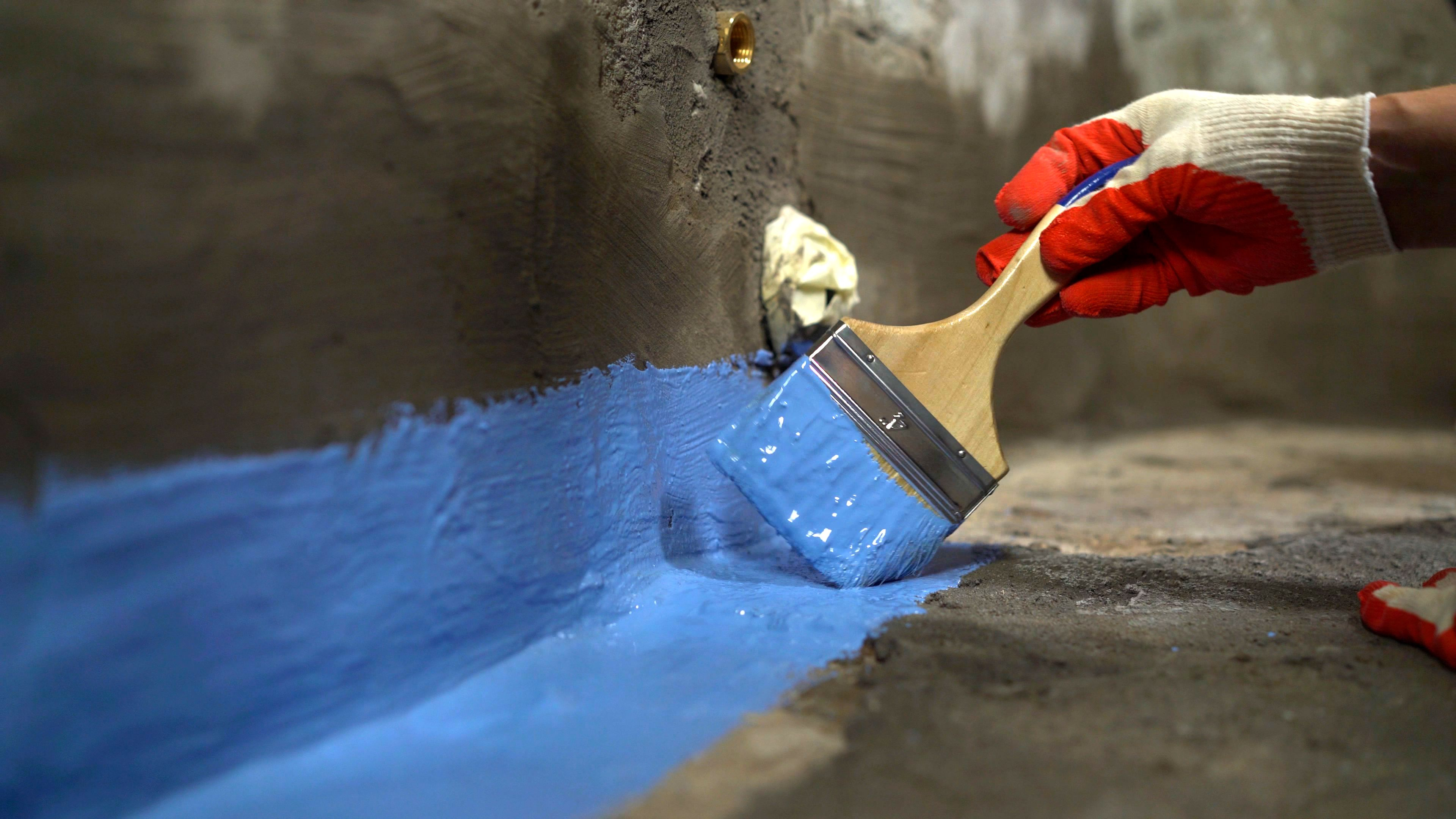
  • Waterproofing paint

  • Drainage systems

  • Epoxy injection

  • Interior French drains

  • Exterior excavation and waterproofing

  • Cement waterproofing

  • Weep tiles

  • Liquid membrane

  • Sheet membrane 

  • Yard grading

  • Gutters and downspouts

While a standard gutter system is widely considered the most effective way to prevent water damage to your home's foundation, several alternatives are available. These options can be used on their own in certain climates or as supplementary protection.

Common alternatives include:

  • Rain Chains: These are decorative chains that hang from the roof's edge, guiding rainwater to the ground.

  • Drip Edges: These metal strips are installed at the edge of the roof to direct water away from the fascia. While often used with gutters, they can be paired with a ground-level solution but are typically not sufficient on their own.

  • Rain Dispersal Systems: These systems work by breaking up the heavy sheet of water flowing off the roof, dispersing it over a wider area.

  • French Drains: This ground-level system uses a perforated pipe in a gravel-filled trench to collect and redirect water runoff away from the house.

  • Drip Paths: Placed directly below the roofline, these paths made of concrete, stone, or other materials prevent soil erosion and guide water away.

It's important to note that some alternatives like rain chains and dispersal systems may not be adequate in regions with heavy rainfall because they don't divert water away from the foundation as effectively as a full gutter system. Ground-based solutions like French drains can be very effective but are often more expensive and can affect your landscaping and curb appeal. Many experts recommend installing a full gutter system for maximum protection and using alternatives as supplementary measures.

The Hancock, MI homeowners’ guide to basement waterproofing services

From average costs to expert advice, get all the answers you need to get your job done.