




Top-rated basement waterproofing pros.

Get matched with top basement waterproofing pros in Watersmeet, MI

Enter your zip and get matched with up to 5 pros

Need a pro for your basement waterproofing project in Watersmeet, MI?

Select your specific project to find the pro for you.

Find Basement waterproofing pros in Watersmeet

Lone Wolf Plumbing
New to Angi
Basement Drainage Channels - InstallBasement Drainage Channels - Repair

Serving Watersmeet, MI and surrounding areas

In business since 2013

Offers commercial services

We take great pride in our experience, expertise, quality, and customer service that we provide to meet the consumer's needs. It is our mission to provide excellent workmanship and complete customer satisfaction from start to completion of a project. In order to understand the needs and expectations of our customers, we take great care to work and communicate with every customer in a professional manner. Our reputation is based on service, safety, and quality, regardless of how large or small the job. \n

Basement Waterproofing questions, answered by experts

A plastic vapor barrier should completely cover your basement to prevent water from penetrating through the walls. This typically goes before installing insulation to prevent moisture from building up and becoming trapped on the inside of your insulation, where it can collect and lead to mold damage. Installing insulation after the vapor barrier allows for any moisture to exit the walls for better ventilation.

It’s not the number of weep holes that should be of concern to builders but rather their spacing. Weep holes are usually spaced anywhere between 16 inches on center when using round tubes or wicking materials and 24 inches on center when using open-head joints. This is a more conservative spacing than the 33-inch maximum spacing on center that’s mentioned in the International Residential Code. All in all, the total number of weep holes a brick exterior should have will depend on the size of the structure.

If you don’t wish to dig it out and convert it into a finished basement, you can still encapsulate your crawl space to protect it from damage for an average cost of $5,500. Finishing a crawl space beyond this isn’t really worthwhile, as the low ceilings mean you won’t be able to use the area as living space.

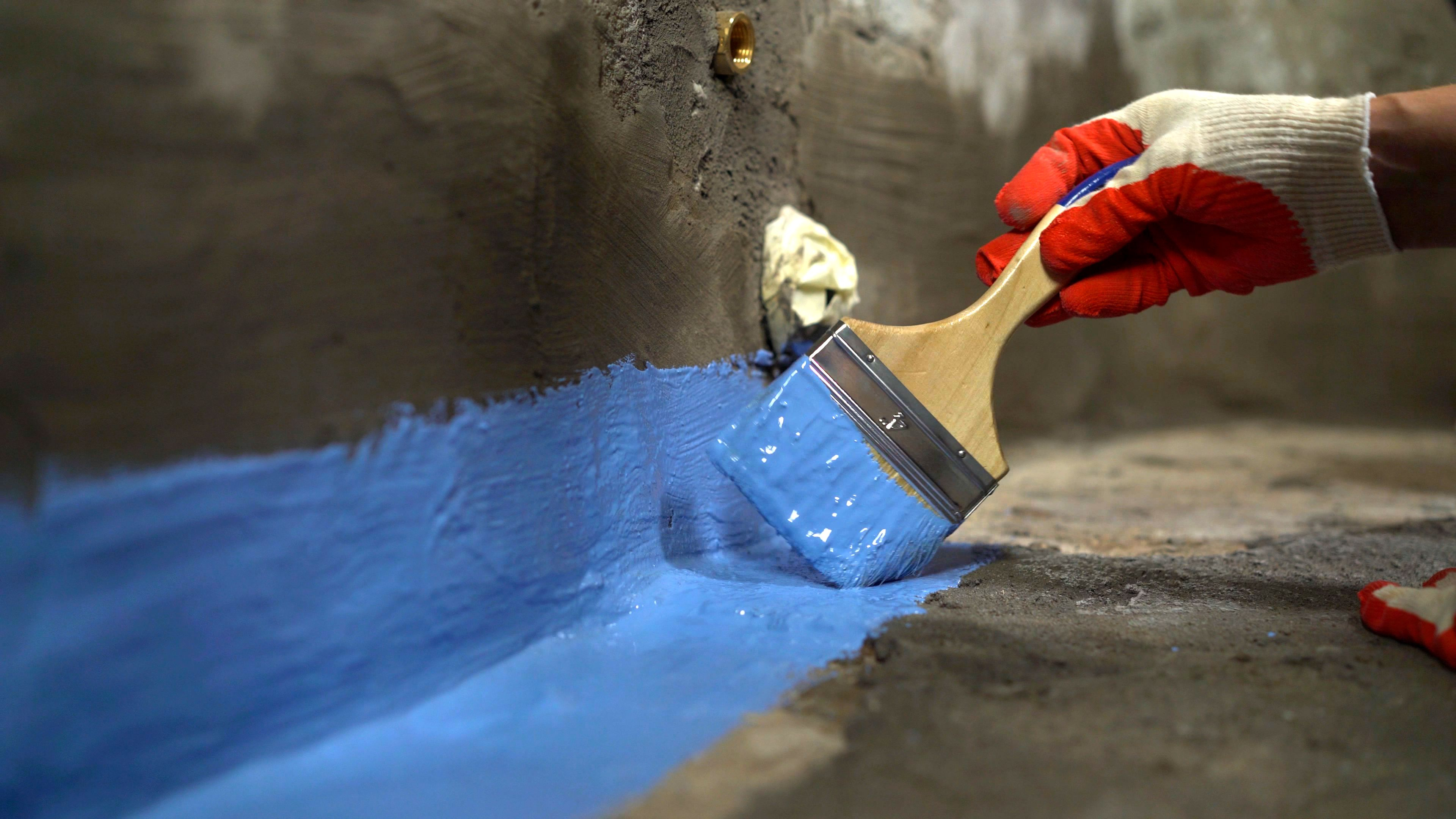
The least expensive basement waterproofing methods include grading soil away from your home, installing downspout extenders on your gutter system, and applying a waterproof paint on the interior of the foundation walls. Installing a French drain is a relatively inexpensive method if you do the work yourself, although it’s labor-intensive and can be challenging to install properly.

Several types of insulation are effective for crawl spaces, with spray foam and rigid foam boards being two of the best options. Closed-cell spray foam insulation is a strong choice because it effectively repels moisture, resists biological growth, seals the air, and provides excellent thermal protection, especially in hard-to-reach areas. Rigid foam insulation boards are another excellent material as they insulate well, resist water damage, and will not settle over time like fiberglass or cellulose.

The Watersmeet, MI homeowners’ guide to basement waterproofing services

From average costs to expert advice, get all the answers you need to get your job done.