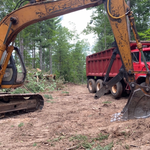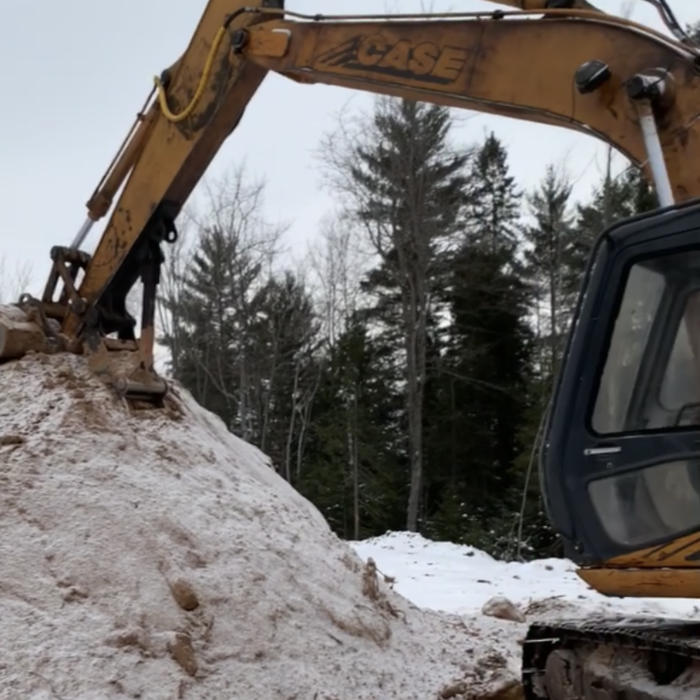
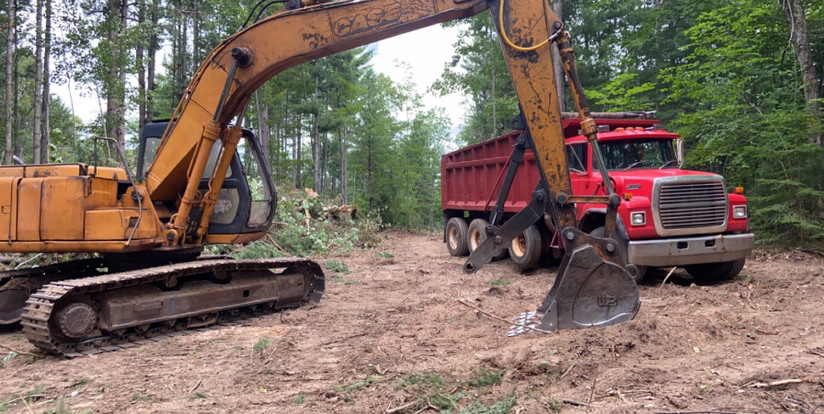
Armatti’s Trucking and Excavating
Basement Drainage Channels - Install
Serving Caspian, MI and surrounding areas
*The Angi rating for Basement Waterproofing companies in Caspian, MI is a rating based on verified reviews from our community of homeowners who have used these pros to meet their Basement Waterproofing needs.
*The HomeAdvisor rating for Basement Waterproofing companies in Caspian, MI is a rating based on verified reviews from our community of homeowners who have used these pros to meet their Basement Waterproofing needs.
Last update on September 12, 2026
Serving Caspian, MI and surrounding areas

Serving Caspian, MI and surrounding areas
In business since 1989
Free estimates
Emergency services offered
"I only use James when I need some work done to my house. He responds fast, gets the work done quicker than just about anyone else I've ever used and seems very concerned with leaving his customers happy."


Serving Caspian, MI and surrounding areas
In business since 2013
Offers commercial services
We take great pride in our experience, expertise, quality, and customer service that we provide to meet the consumer's needs. It is our mission to provide excellent workmanship and complete customer satisfaction from start to completion of a project. In order to understand the needs and expectations of our customers, we take great care to work and communicate with every customer in a professional manner. Our reputation is based on service, safety, and quality, regardless of how large or small the job. \n

Serving Caspian, MI and surrounding areas
In business since 2012
Free estimates
Credit card accepted
"KCD Construction did a good job."
Serving Caspian, MI and surrounding areas
In business since 1991
Williams Contracting Inc., proudly serves its customers with pride, integrity and attention to the details that matter most to you. This is one of the many things that sets us apart from the rest. We are locally owned and operated. Give us a call today!
From average costs to expert advice, get all the answers you need to get your job done.

Need to fix basement water problems or safeguard your home from damage in the future? Use this basement waterproofing cost guide to budget appropriately.

An unfinished basement has a lot of potential for a family room or guest suite. So how much does it cost to finish a basement? Read on for all cost factors.

Dealing with a damp basement? Follow these steps for DIY basement waterproofing to keep water and moisture out and boost your home’s energy efficiency.

Struggling with a damp basement? Learn about basement waterproofing and how these tips can help keep your basement safe from the elements.
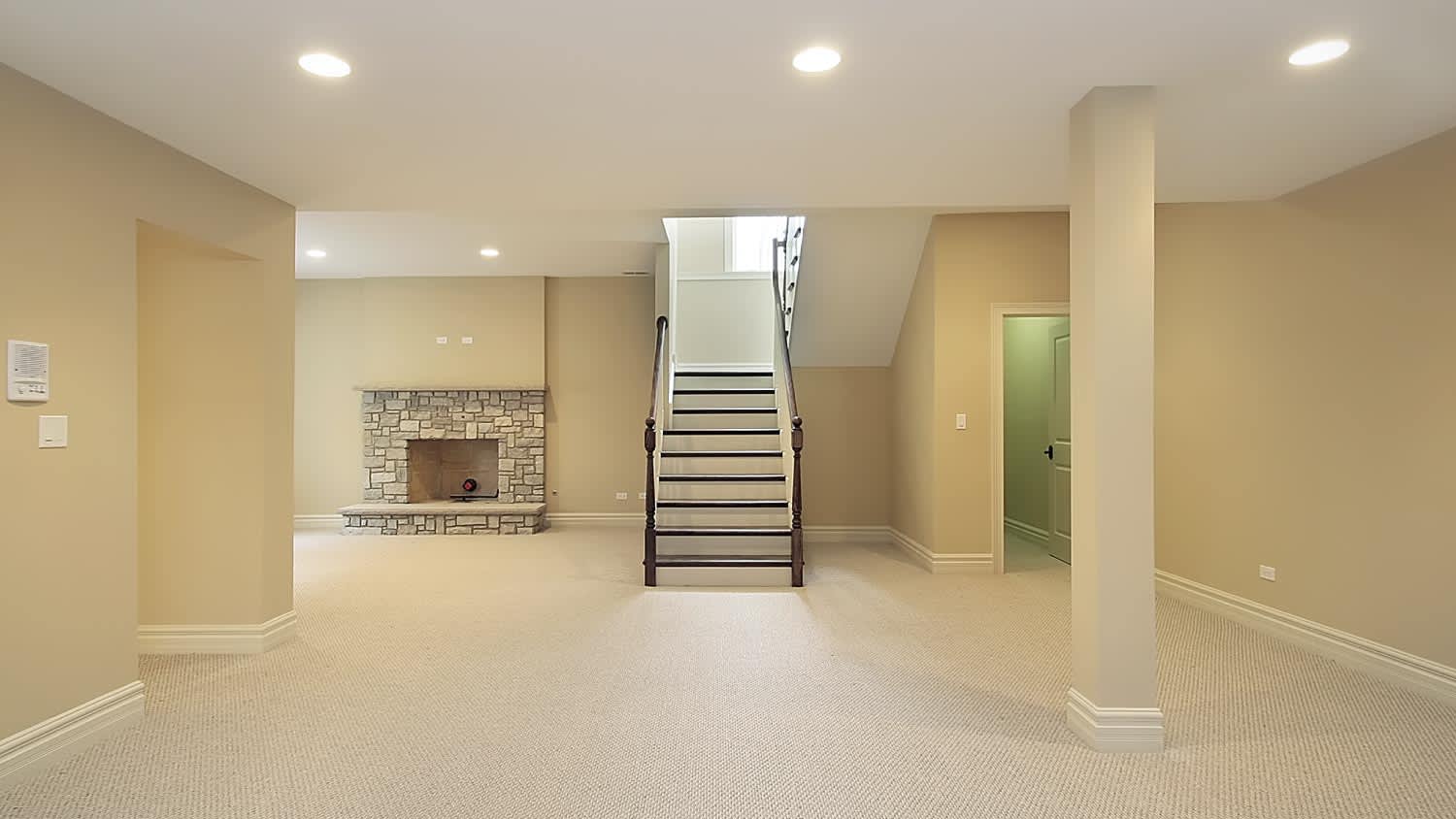
Can’t seem to get rid of the moisture and mold in your basement? Learn why basements tend to hold moisture and how to get rid of moisture in the basement.
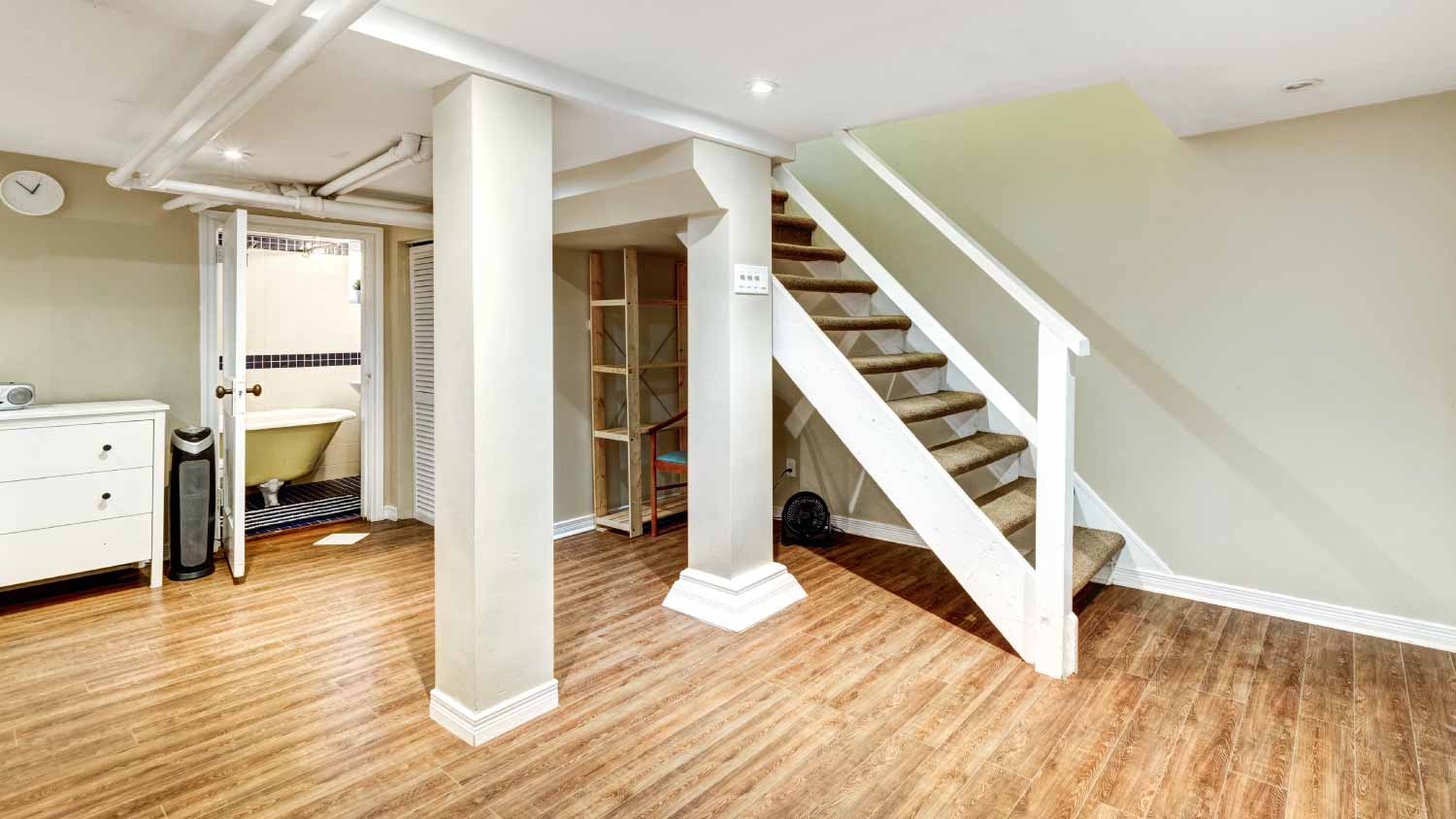
Unearth the root causes of water seepage in your basement floor. Explore effective solutions to keep your basement dry and your home protected.