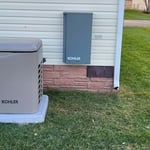
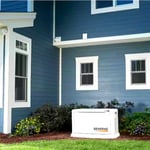
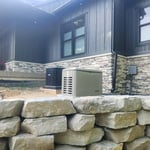
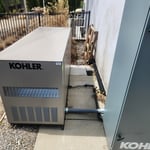
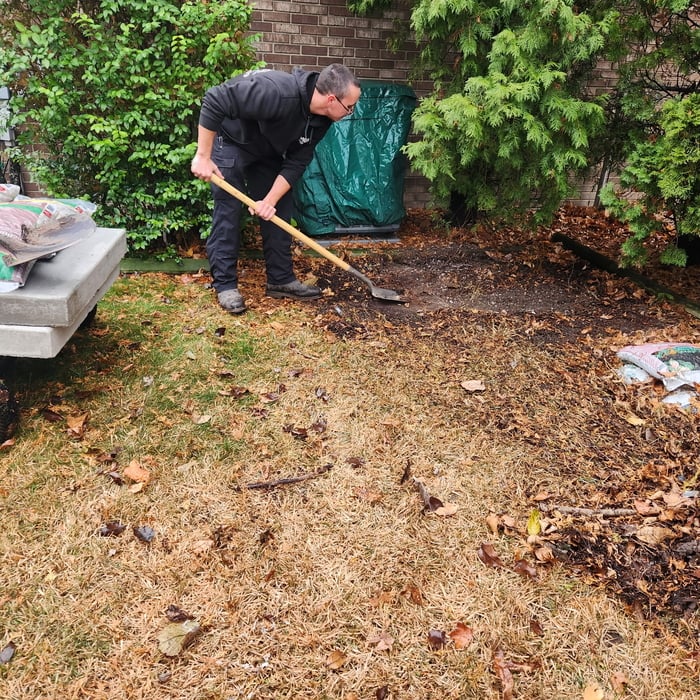
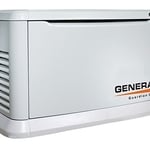
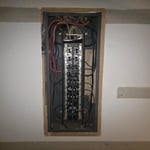
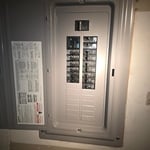
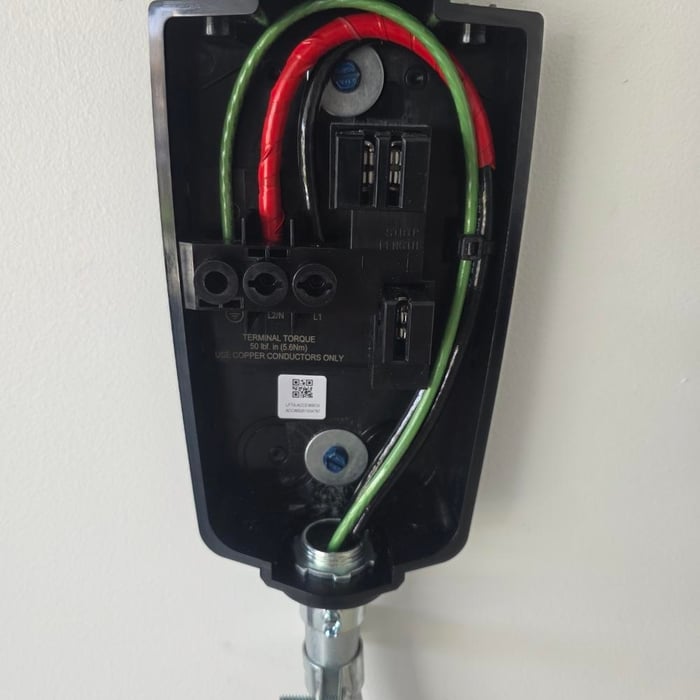
"Sweetwater Electric installed my Generac whole house generator. Part way through the installation, we discovered a problem with the landscaping and placement of the generator. Sweetwater was patient while we worked out the issue and resumed work the day after the landscaper left. Alan and Thomas worked well together as a team and finished the installation without a problem. I would highly recommend them for your Generac, or general electrical, work. They are conscientious, hardworking, amenable and clean up after the job is complete. What more could you ask for?"
"Great folks, quick, efficient, and professional. Would definitely recommend. I had a whole house generator installed, they had it done before I knew it!"
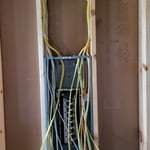
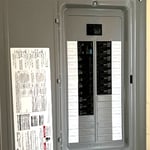
"Andrew did an excellent job replacing my electrical panel. He was professional, knowledgeable, and took the time to explain everything clearly. The work was completed efficiently, and everything looks great. I'm very satisfied with the quality of the installation and would definitely recommend Andrew to anyone needing electrical work."
"It went very well, Cody arrived on time, explained what he was doing and did it. I find Cody Thompson to be a very good service man and was satisfied with him arriving on time, doing his job and telling when he was done and what he had done. Thank You !!"
"You will not find anyone more knowledgeable, dependable and trustworthy than Doug for your electrical needs!! Stacey is terrific on the admin side of things and keeps the business running smoothly. Together, they make such a terrific team! We have had Doug take care of our needs throughout several homes that we have owned over the years. There is no one else that I would want to take care of us than True Line Electric!!"
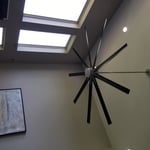
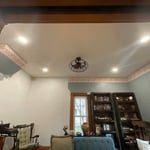
"wonderful company, i had a specialty issue; needed a new attic fan to vent the heat from a very hot atrium to the outside. these guys came over, took out the old fan, ordered the new one and installed. contractors were very polite, knowledgeable & expedient once the decision was made, i recommend to all."
"Phil at Lake Road Electric was great with customer service, full transparency on pricing, and not only getting the job done in a timely matter, but more importantly, making sure the job was done right! I will be calling Lake Road Electric for my next project and I highly recommend!"
"I called them and they came out within in a week. Quoted the job and completed it the same day. Very professional. Very nice workers. They were absolutely outstanding"
You can determine what size generator you need for a transfer switch by matching the switch to the largest outlet on your generator. Larger generators can power up to 10 circuits, while most 5,000-watt generators can provide power to six circuits. So, if your generator’s largest outlet is 30 amps, you’ll need a 30-amp transfer switch.
A 1,500 square foot home will likely need a 15kW to 20kW generator. When deciding on whole-house generator size, add up the total wattage of the devices that you’d like to continue running during a power outage. That way, you can ensure you purchase a generator that can power your necessary appliances or medical equipment during an electrical emergency.
The amount of time a standby generator can run continuously is around 3,000 hours on average. However, standby generators can generally run indefinitely as long as they have a continuous fuel supply. Generators hooked up to a home’s natural gas supply are the best option for extended usage, as these won’t rely on a finite fuel supply based on how much you have in storage. Generators running on liquid propane or diesel won’t last as long, as these require fuel storage and regular refueling to stay running.
Natural gas generators are designed to run for extended periods of time, such as power outages during a natural disaster. Since there’s no limit to the supply of natural gas, they don’t need to stop for refills. However, generators do need maintenance, including pauses to check and add oil. Constantly running them will also cause a lot more wear and tear, leading to a shorter lifespan.
A 10,000-watt generator can run a small to mid-sized central AC unit (typically up to 3 tons or 36,000 BTU) along with a few other appliances. However, larger AC units or additional loads will require a bigger generator. Consult a local generator installer to ensure you add the correct size generator to your home.
The Goodrich, MI homeowners’ guide to generator installs
From average costs to expert advice, get all the answers you need to get your job done.
Natural gas generators are whole-home standby generators that are connected to your home’s natural gas line. The average cost for a natural gas generator is $12,000.
Generators should give you peace of mind, but you’ll only get that if your installer knows what they’re doing. Learn how to hire a pro and what red flags to look for.
Thinking about a generator installation? Learn about backup power options, costs to expect, and how to hire the right local pro to keep your home running.