





Top-rated weed maintenance pros.

Get matched with top weed maintenance pros in Fairgrove, MI

Enter your zip and get matched with up to 5 pros

Need a pro for your weed maintenance project in Fairgrove, MI?

Select your specific project to find the pro for you.

TRUSTED BY FAIRGROVE, MI HOMEOWNERS

  • Average homeowner rating star icon3.9
    Average homeowner rating
  • Verified reviews icon20
    Verified weed maintenance services reviews

Find Weed maintenance pros in Fairgrove

No results for Weed maintenance pro in

Try adjusting your search criteria.
Weed Services questions, answered by experts

Johnsongrass and crabgrass are invasive weeds that can overtake your lawn. Crabgrass is a low-growing grass most often seen in lawns, flower beds, and vegetable gardens. While you may find Johnsongrass growing in your lawn, it will also grow in pastures, crop fields, and the edge of the road. Johnsongrass is much coarser than crabgrass. If left alone, Johnsongrass can grow up to 8 feet tall. 

Foxtail self-seeds and dispurses them among other grasses and pastures. The seeds can spread by wind and by attaching themselves to animals and humans. Seeds will germinate in their new location and become a new plant, which continues the spread of foxtail. Unfortunately, foxtail spreads easily, making it difficult to remove unless it’s caught quickly.

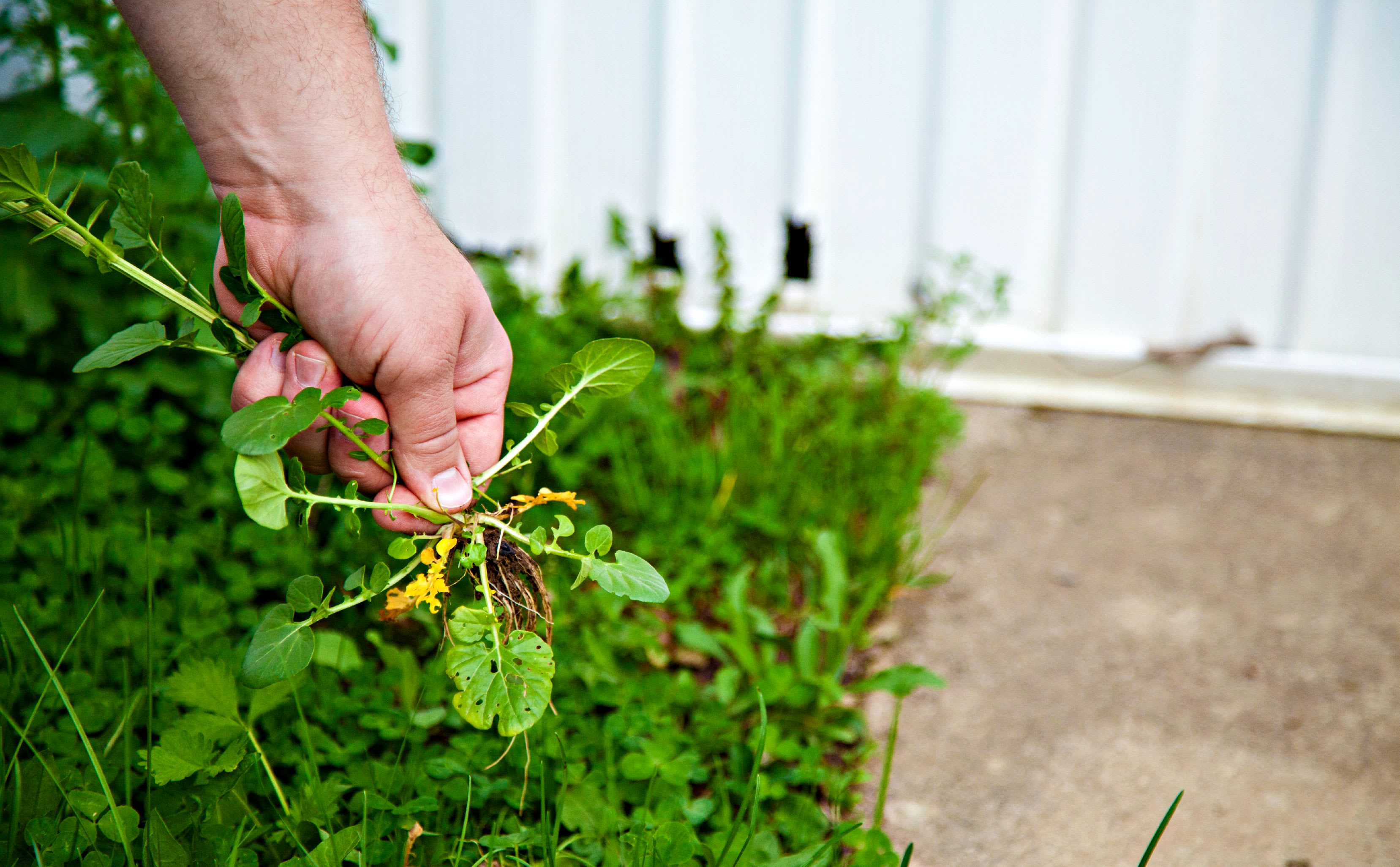
The fastest ways to kill weeds and unwanted grass include burning them, pouring boiling water on them, or pulling them out by hand, as these methods work almost instantaneously. For a quick-acting solution that works within a few hours, you can use a commercial-grade herbicide like glyphosate or a DIY vinegar, salt, and dish soap mixture. While effective, be aware that commercial herbicides introduce chemicals into your lawn. The slowest method for killing weeds is to starve them of sunlight and nutrients using mulch or fabric covers.

It’s not legal to intentionally damage a neighbor’s tree. Even if the roots of a tree encroach into your yard, if you damage or kill a tree that belongs to your neighbor, you can be held liable for the damage in most cases. Since herbicides can spread through the tree, causing damage to the whole tree and not just the roots that are on your side of the property line, you shouldn’t poison your neighbor’s tree. The other downside to this method is that if the tree dies, it can fall onto your property and cause more damage, so herbicides are best avoided in this circumstance.

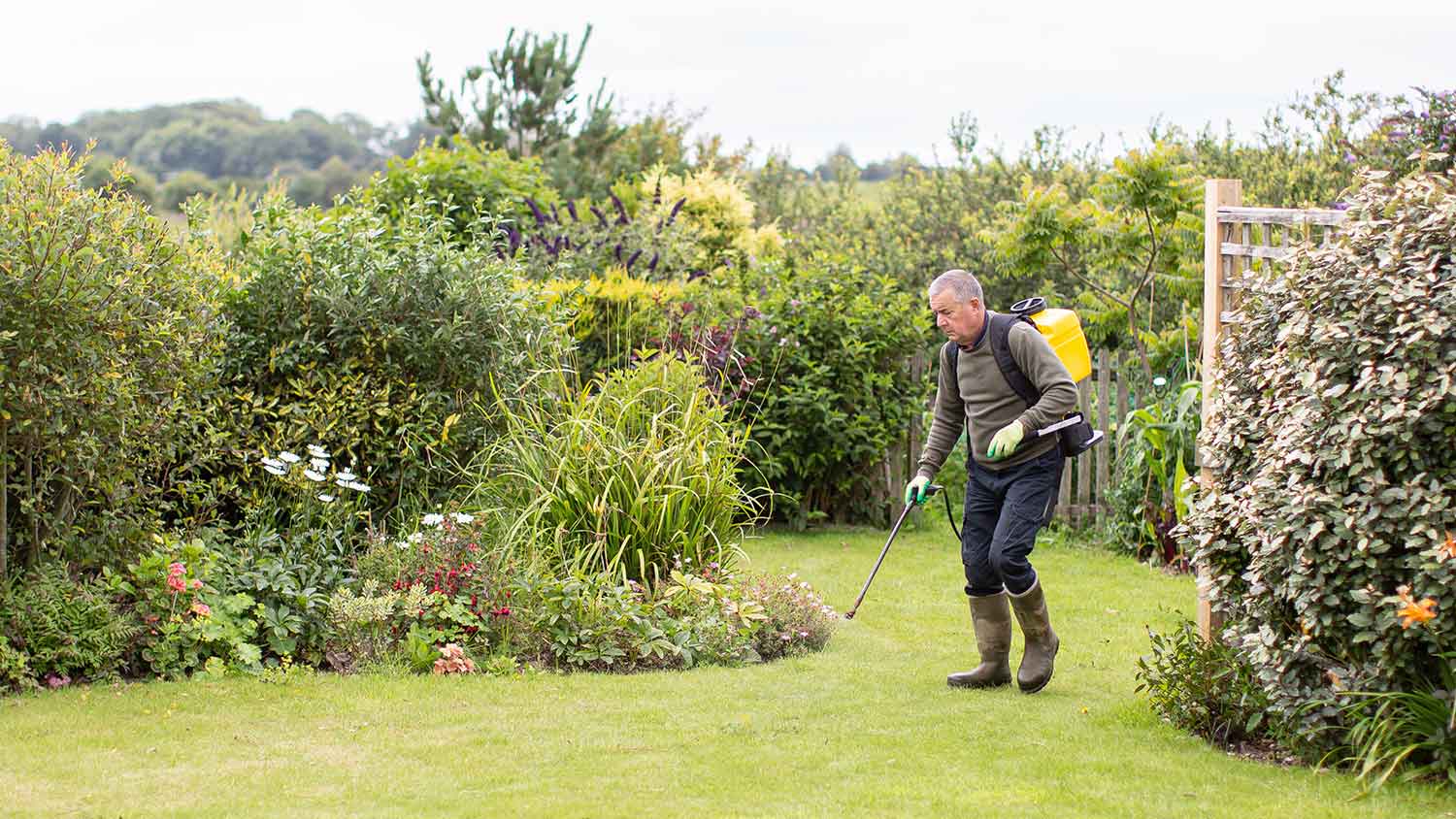
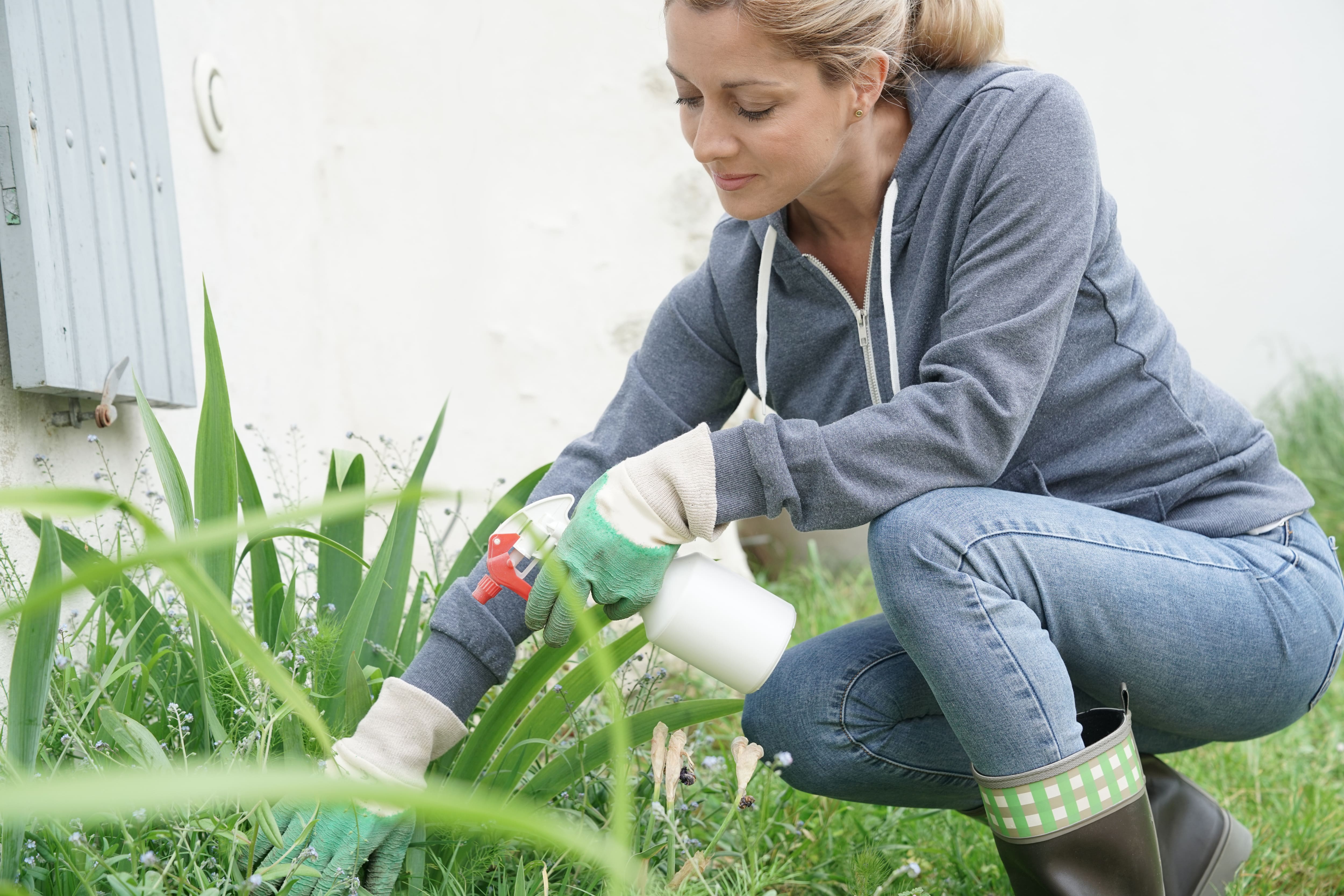
Herbicide application, manual removal, and landscape fabric are common approaches.

The Fairgrove, MI homeowners’ guide to weed maintenance services

From average costs to expert advice, get all the answers you need to get your job done.