








Top-rated energy efficiency auditors.

Get matched with top energy efficiency auditors in Copemish, MI

Enter your zip and get matched with up to 5 pros

Need a pro for your energy efficiency auditing project in Copemish, MI?

Select your specific project to find the pro for you.

Find Energy efficiency auditors in Copemish

Avatar for Johns Home Inspections -    Facebook
Johns Home Inspections - Facebook
4.5(
30
)
Home Energy Audit

Serving Copemish, MI and surrounding areas

In business since 2019

Emergency services offered

Small jobs welcome

"John and Pamela have done a very good job and work quite fast to provide their reports in a matter of hours, not days. Their cost of service is better than their competition. John's Home Inspections can provide excellent work for both home sellers and home buyers."
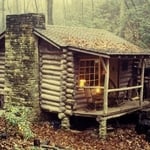
Cabin of 1998
Home Inspection
Outside Construction
Credit Card Accepted
Complete Home

+3

Response time2 hrs
Response rate97%
Recommended by96%of homeowners
Avatar for Geofurnace Heating & Cooling, LLC
Geofurnace Heating & Cooling, LLC
4.6(
51
)
Home Energy Audit

Serving Copemish, MI and surrounding areas

In business since 1990

Free estimates

Emergency services offered

"To hid the heat pump condenser we had the unit mounted on our house. It makes a vibrating sound in the house. But in defense of Geofurance we haven't given them a chance to resolve the problem. I would also like to say the heat pump has saved us a lot of money as far as propane cost. It also replaced a resistance heating system in our loft. It now allows us the ability to use the loft in the winter."
Blower Door Test
Inferred Imaging
Hands on Evaluating
Spray Foam Insulation
We service all makes and models

+1

Response time1 day
Recommended by95%of homeowners
Energy Efficiency Auditing questions, answered by experts

To determine the right size generator for your house, you should calculate the total wattage of the appliances and devices you want to power during an outage. List all essential items, note their start-up wattages, and add them together.

Here are some typical wattage requirements for common appliances:

  • Refrigerator: 600 watts

  • Large dehumidifier: 700 watts

  • Large window air conditioner: 1,400 watts

  • Water heater: 3,000 to 4,500 watts

  • Electric furnace: 5,000 to 25,000 watts

A 7,500-watt generator might be sufficient for essentials like a refrigerator, freezer, well pump, and lighting circuits. However, for high-demand items like a water heater or furnace, a whole-home generator is a better choice. A portable generator may be enough if you only need to power a few critical items.

While home square footage can offer a rough estimate, it is not always a reliable indicator. For reference, here are some typical generator sizes based on square footage:

  • 1,000 sq ft: 6–9 kW

  • 1,500 sq ft: 7–10 kW

  • 2,000 sq ft: 10–14 kW

  • 2,500 sq ft: 12–16 kW

  • 3,000 sq ft: 16–20 kW+

For the most accurate sizing, consult a professional who can calculate your home's peak and average power consumption and recommend the optimal generator.

While you can perform many routine home maintenance jobs yourself, it’s often a good idea to bring pros in for certain tasks. HVAC maintenance, fireplace and chimney inspections, foundation repairs, and roof inspections and repairs should be handled by professionals who know what to look for and can safely perform repairs. You may also find it helpful to hire a local house cleaning service to help with deep cleaning.

Hawaii is currently rated as the most expensive state for utilities. How much are utilities for a house in Hawaii? With electricity costs in Hawaii totaling nearly 42 cents per kilowatt-hour, residents are paying more to run their households than any other residents. Electricity costs in Hawaii are so high, mostly due to the fact that most of the electricity available to residents is produced using oil that must be shipped in from other places.

Motion-sensor lights use one watt while on standby and five watts while turned on. They’re usually on for one hour over a 24-hour period, bringing the total wattage to about 28 watts per day. LED lights use around 6.5 to 8 watts while on. If you leave an LED light on all night, with night ranging from 10 to 14 hours, you’re looking at using 65 to 112 watts a night. You can minimally cut your wattage in half by switching to a motion-sensor light.

String lights require electricity, but not an excessive amount, especially when compared to other lighting fixtures. LED rope lights, for instance, consume around one watt per foot. Running six or seven light strings simultaneously should only cost you around $10 to $15 each month. You can save even more money by remembering to turn off your lights during daylight hours. 

The Copemish, MI homeowners’ guide to energy efficiency auditing services

From average costs to expert advice, get all the answers you need to get your job done.