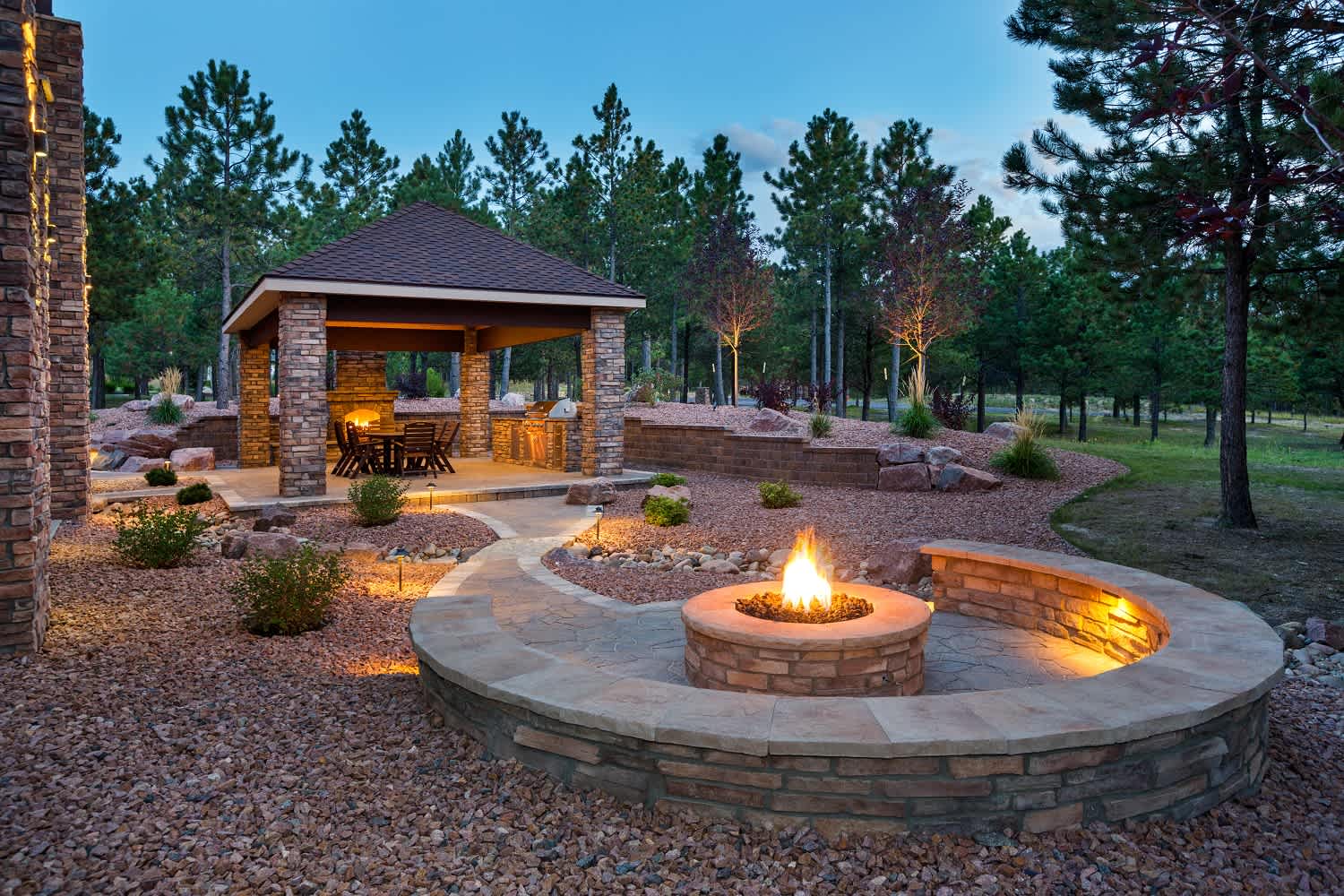



Top-rated fire pit installation pros.

Get matched with top fire pit installation pros in Conklin, MI

Enter your zip and get matched with up to 5 pros

Need a pro for your fire pit installation project in Conklin, MI?

Select your specific project to find the pro for you.

TRUSTED BY CONKLIN, MI HOMEOWNERS

  • Average homeowner rating star icon4.6
    Average homeowner rating
  • Verified reviews icon34
    Verified fire pit installation services reviews

Find Fire pit installation pros in Conklin

No results for Fire pit installation pro in

Try adjusting your search criteria.
Fire Pit Installation questions, answered by experts

Regular professional chimney cleaning and a well-fitting chimney cap are two of the most effective measures to help prevent flue blockages. Annual cleaning keeps the flue from developing a thick layer of creosote. The chimney cap keeps debris out and stops critters from going down your flue for shelter while carrying clog-worthy nesting material.

According to the National Fire Protection Association’s Code NFPA 25 (titled “Standard for the Inspection, Testing, and Maintenance of Water-Based Fire Protection Systems”), private fire hydrants must undergo inspection once per year, with an accompanying flow test and any necessary maintenance performed on the same schedule. Keep in mind that your town, city, or county may adopt more or less strict testing requirements. 

When a carbon monoxide alarm goes off, you should always take it seriously. Infrequent and occasional chirps often point to a low battery, a faulty device, or dust buildup (this usually affects smoke detectors and not standalone CO detectors). A continuous alarm signals an emergency, and you should immediately evacuate and call 911. When it comes to carbon monoxide in your home, it’s better safe than sorry.

You should never block both the top and bottom of your chimney. Proper airflow is essential because the temperature inside the chimney will still fluctuate as your house warms and cools. Moisture can build up without ventilation, leading to dampness in your walls over time. Blocking the top prevents debris and animals from entering, but the chimney still needs air circulation to avoid condensation issues. Allowing the chimney to breathe maintains the health of your home and prevents long-term damage.

Yes, a hot or overheating outlet is a fire hazard and can cause a fire. An outlet becoming hot indicates an electrical problem, such as an overloaded circuit, loose connections, or a faulty component. The heat from these issues can ignite nearby flammable materials like curtains or furniture. If you notice an outlet is hot to the touch, turn off the power at the circuit breaker, unplug any connected devices, and consult a qualified electrician. If a fire does start, use a Class C fire extinguisher or baking soda to suppress it, or evacuate immediately and call the fire department.

The Conklin, MI homeowners’ guide to fire pit installation services

From average costs to expert advice, get all the answers you need to get your job done.