








Top-rated bird control service pros.

Best bird control service pros near Charlevoix, MI

Enter your zip and get matched with up to 5 pros

Need a pro for your bird control service project in Charlevoix, MI?

Select your specific project to find the pro for you.

Top-Rated Bird control service pros in Charlevoix - Updated Nov 2026

Bird Control FAQs, answered by experts

Trees that provide a habitat to bats and an abundance of bugs—their main food source—will attract bats to your yard. Because the North American landscape has changed so much in recent years, bats have a harder time finding trees with cavities to shelter in. If your yard has a dead or dying tree with a lot of sun exposure, bats will likely be drawn to it because trees with those features are less common.

No, you shouldn’t have to worry about bats in your yard as long as they don’t make their way inside your house. Typically, bats hang around backyards in order to consume bugs, especially if they’re located in the U.S. Bats that are native to North America can consume more than 500 bugs per hour, so they may actually benefit your yard if mosquitoes are prevalent.

Small amounts of geese are actually good for the environment. They help spread seeds and lead to more plant growth, but they’re often an invasive species, particularly Canadian geese. This means a small gaggle can quickly grow into a level that litters your lawn with bald patches and excrement.

They can have a deterrent effect on birds to some extent. The reflective surfaces of these objects, such as aluminum foil strips, CDs, or reflective tape, create flashes of light and movement that can startle or confuse birds temporarily. However, some birds can become accustomed to these visual disturbances over time and might adapt their behavior accordingly. For a more sustained solution, combining shiny objects with other deterrent methods shared here is often beneficial for creating a more comprehensive and effective strategy for bird control.

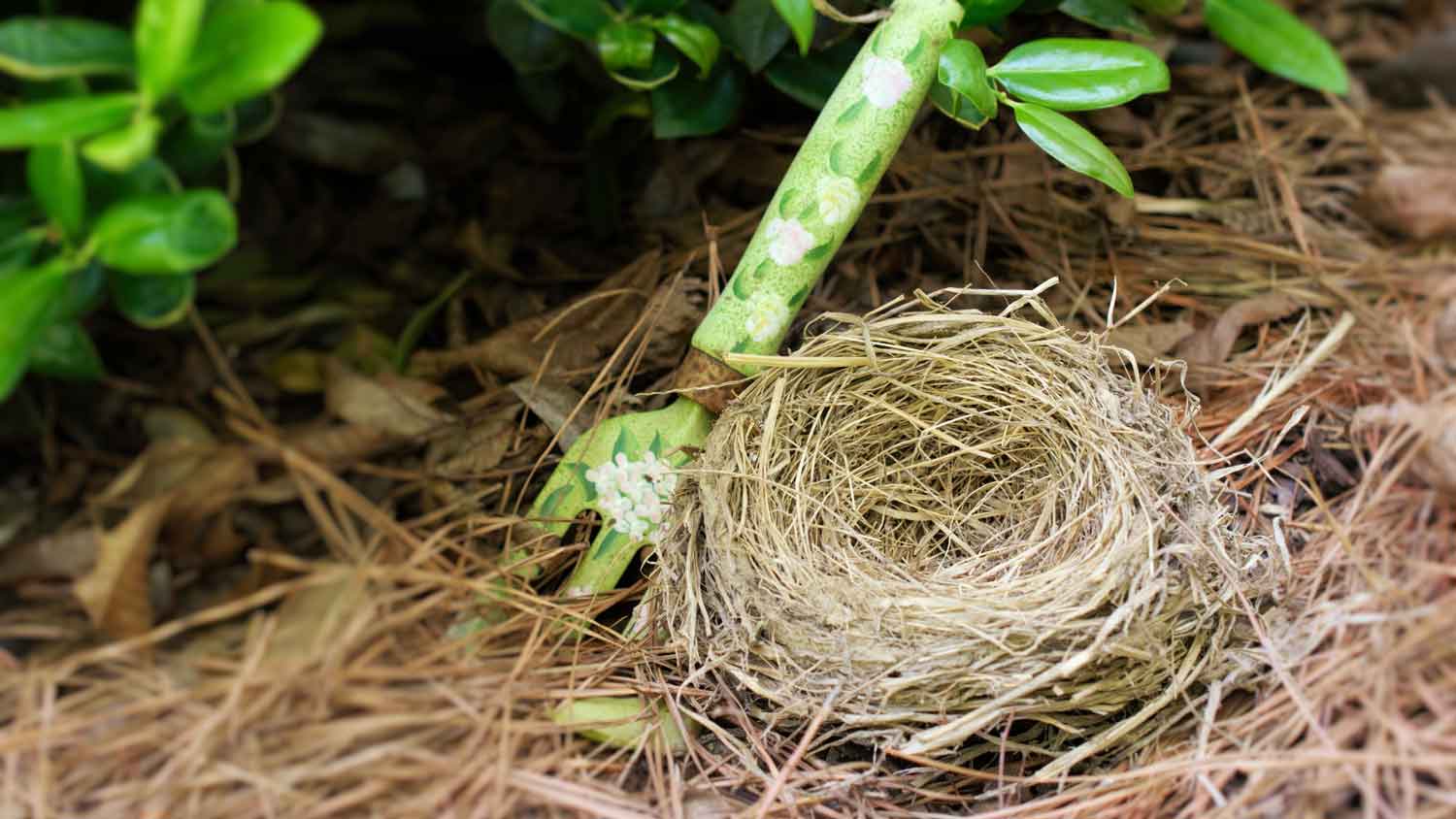
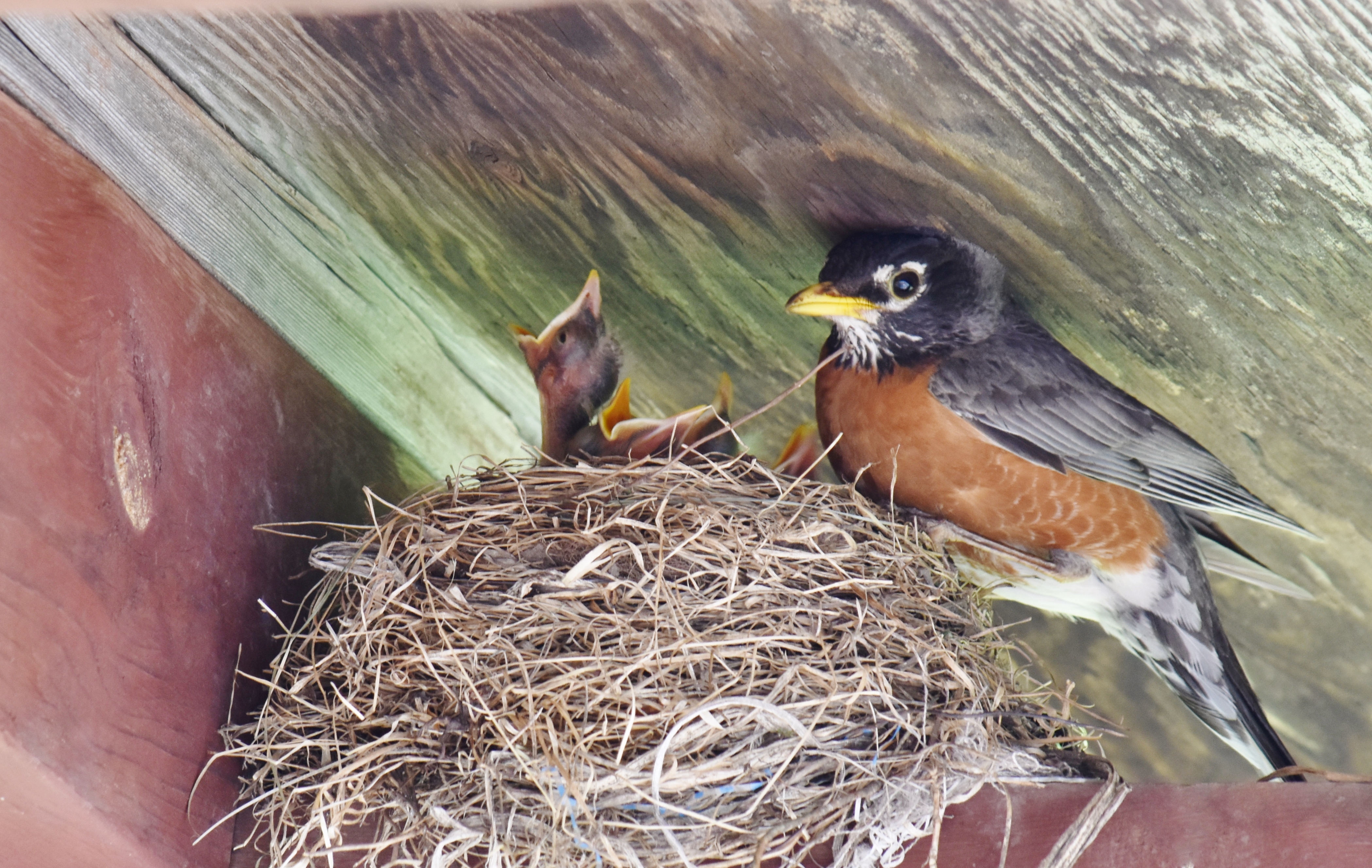
The lifespan of a bird's nest depends on the species. The building process can take from two days to three weeks. Once built, the nesting period for baby birds can last from two to ten weeks before they leave the nest. While most young birds are ready in two to six weeks, some predatory species may need up to two and a half months. Some species nest four to five times per year, so a nest could remain in use for several months. For specific information about a particular nest's longevity, it is best to consult a wildlife professional.

The Charlevoix, MI homeowners’ guide to bird control services

From average costs to expert advice, get all the answers you need to get your job done.