







Top-rated lawn irrigation specialists.

Get matched with top lawn irrigation specialists in Bailey, MI

Enter your zip and get matched with up to 5 pros

TRUSTED BY BAILEY, MI HOMEOWNERS

  • Average homeowner rating star icon4.7
    Average homeowner rating
  • Verified reviews icon10
    Verified lawn irrigation services reviews

Find Lawn irrigation specialists in Bailey

CB handyman services
New to Angi

Serving Bailey, MI and surrounding areas

Approved

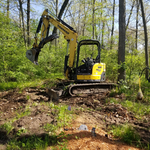
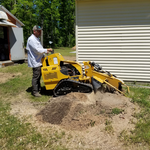
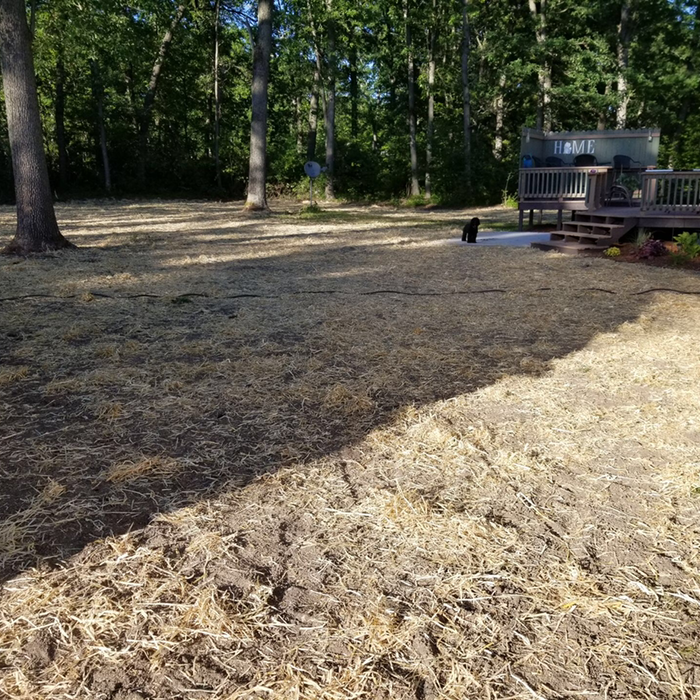
We provide reliable handyman services and outdoor improvement solutions with a focus on quality, efficiency, and long-term results. From small repairs and property cleanups to grading, drainage, and backyard upgrades, we help homeowners get their projects done right without the hassle.\nOur work covers a wide range of services including yard cleanups, tree trimming, light demolition, power washing, and general handyman tasks. We also specialize in outdoor projects like patio prep, leveling, and landscape improvements—helping turn everyday spaces into functional, usable backyards.\nWe take a practical, construction-focused approach to every job. That means showing up on time, communicating clearly, and doing the work properly the first time. Whether it’s a quick fix or a larger outdoor project, we aim to deliver results that last.\nHomeowners choose us because we’re dependable, straightforward, and focused on getting the job done right—no shortcuts, no surprises.

1 neighbors recently requested a quote
Showing 1-10 of 23
Lawn Irrigation questions, answered by experts

Depending on the lawn treatments, the best times of the year to redo your lawn are between mid-August and mid-September for overseeding and renovation treatments. For areas such as the southern United States, lawn aeration works best during the fall, when the temperatures begin to drop. Otherwise, early spring is your next best bet because the grass is fresh and ready to absorb nutrients, and the temperature isn’t hot enough to fry the grass and the renovation materials.

Bermuda grass is one of the fastest-growing warm-season grasses because of its system of aboveground stems (stolons) and below-ground stems (rhizomes). Adequate water and sunlight in a warmer climate will nurture the spread of Bermuda grass. This rapid growth rate makes Bermuda grass resilient and effective at choking weeds. However, this aggressive advancement can also make the grass difficult to contain and control.

This depends on the type of grass seed, as some types do better in different environmental conditions. Cool-season grasses go dormant during the summer months when the soil temperature exceeds 65 degrees Fahrenheit. Once exposed to regular doses of heat, the germination rates decline, with seedling death not far behind. 

As for warm-season seeds, they come from tropical parts of the world and thrive in heat. They actively grow in warm air temperatures between 70 and 90 degrees Fahrenheit, and they prefer soil temperatures between 65 and 70 degrees Fahrenheit. Once temperatures dip and frost rolls in, if you don’t store them properly, warm-season grass seeds will die quickly.

In the fall, you should aerate the soil, overseed the bare spots, kill weeds, mow the lawn low, and rake your leaves. By boosting your lawn’s health in the fall, your grass will be stronger throughout the winter and come back healthier in the spring. You should also trim your perennials so that they withstand the winter and are ready for new growth in the spring. 

There are a few ways to fix your lawn on a budget, including:

  • Identify the lawn care problem and learn how to seed, fertilize, and aerate your lawn. 

  • Reseed old, damaged lawn with new grass that fares better in your environment. 

  • Remove grass from your yard so you no longer need to worry about lawn care costs.

The Bailey, MI homeowners’ guide to lawn irrigation services

From average costs to expert advice, get all the answers you need to get your job done.