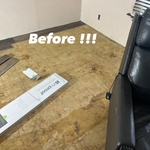
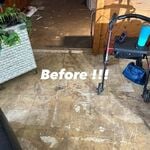
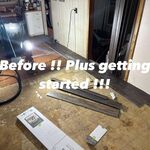
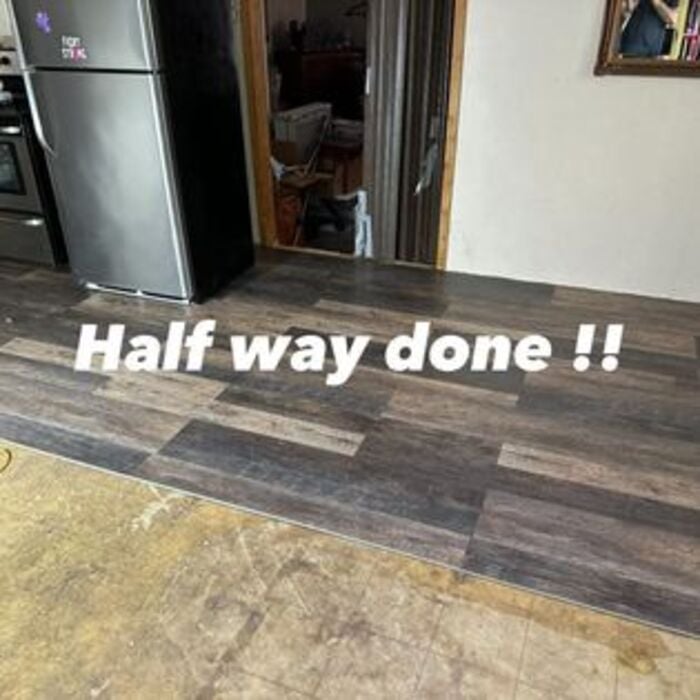
"Knoch & Sons provides professional excavation and property services throughout Northern Michigan. We offer skid steer work, excavation work, land clearing, forestry mulching, stump removal, brush hogging, grading, building services, limestone work, landscaping, and commercial mowing. Fully insured, experienced, and fully equipped. Free estimates available!
We pride our company on reliability, great communication, integrity, and quality work. We are experts in our trade and will do our best to keep you as educated as we can on your particular task or project. We look forward to earning your business!
We have the experience, and we are committed to providing quality workmanship and superior customer service on all our applications. We at
\nBecker's Construction LLC strive to maintain our reputation as a high quality, very service-oriented company with our main focus being customer satisfaction.
At North West Home Repairs LLC, we take pride in transforming houses into homes, one repair at a time. As a locally-owned and operated home repair service, we understand the importance of having a safe, comfortable, and aesthetically pleasing living space. With our team of skilled and experienced professionals, we are dedicated to delivering top-notch repair solutions that cater to your unique needs. Whether it's fixing a leaky roof, tackling electrical issues, revamping your kitchen, or enhancing your outdoor spaces, we are here to provide reliable, efficient, and cost-effective solutions. From the moment you reach out to us, consider your home improvement worries taken care of. Experience the difference in quality craftsmanship and customer service with North West Home Repairs LLC. Welcome to a world of excellence in home repair!
Here at Stones Handyman Service with over 4+ years of experience we take great pride in our experience, expertise, quality, and customer service that we provide to meet the consumers needs. It is our mission to provide excellent workmanship and complete customer satisfaction from start to completion of a project. In order to understand the needs and expectations of our customers, we take great care to work and communicate with every customer in a professional manner. Our reputation is based on service, safety, and quality, regardless of how large or small the job. Call us today!
I provide quality & fair priced Excavation Service throughout Northern & Central Michigan. Licensed, Insured, and 40 years of professional experience. I like to help Landowners, Homeowners & Small Businesses with all their Site Preparation needs. If you need prep for a new home site, demo of an old building, land clearing, a septic system or have a special project; call for free consultation & pricing and give us an opportunity to meet your budget needs.
We are committed to excellence in every aspect of our business.
\nWe uphold a standard of integrity bound by fairness, honesty, and personal
\nresponsibility. Our distinction is the quality of service we bring to our customers.
\nAccurate knowledge of our trade combined with ability is what makes us true
\nprofessionals. Above all, we are watchful of our customers' interests and make
\ntheir concerns the basis of our business.
Current's Handyman Service prides itself on being the number one Home Improvement In the area. We service both residential and commercial properties. We've built an excellent reputation for customer satisfaction by providing quick estimates, a great attention to detail, and competitive pricing. Being a screened and approved professional gives you the peace of mind you need to allow us to give your home the attention it deserves. Call us today and let's get started!
Northern Vista Lawn and Landscape dba Northern Vista Builders proudly serves our customers with pride and integrity. Our company pays attention to detail and would be happy to help you with your project with anything from new homes, interior and exterior remodels and additions to decks, patios and landscaping. Let us help you design your next project. We are locally owned and operated. Give us a call today!
Drilled wells have a pipe sticking up that’s covered in a plastic or metal casing. On the other hand, a dug well will look like a big hole in the ground and is more similar to what you’d see in a fantasy or Western movie. If you want to be sure, contact the city for documentation on your property’s construction and excavation history.
Depending on the severity of the freeze and the method used, thawing frozen underground pipes can take anywhere from 30 minutes to several hours. Applying heat directly to the pipe using heat tape, infrared lamps, or hot water jetting can speed up the process. However, patience and careful monitoring are key to avoiding pipe damage.
Yes, an excavation company is the best option for land grading and yard leveling. General landscapers might be able to tackle these projects, but an excavation company will do a better job because they’re used to operating the necessary heavy machinery. Landscapers might opt to do the work manually, which takes much longer and could cost you more in labor fees. Finally, excavation companies will understand local regulations and know when you need permits to legalize the work, while a landscaper might not.
The rules for trenching and excavation include setting up and following safety protocols, learning how to use tools and machines properly, and ensuring there is a safe exit for all workers. Keep heavy equipment and materials away from the edge of the hole or trench. Call the 811 dig line before starting any excavation or trenching project to ensure you don’t hit any electrical or gas lines.
Excavation is priced in cubic yards, so you’ll need to find the volume of the area in order to calculate costs. Multiply the length, width, and proposed depth of your excavation site, then convert it into yards to get the volume. Multiply this figure by the price per cubic yard.
Most homeowners can measure by hand to get a rough estimate, even if it’s tedious. You may want to pull out a tape measure or use a string to help mark the area.
The Atlanta, MI homeowners’ guide to excavation services
From average costs to expert advice, get all the answers you need to get your job done.
Excavation costs $1,500 to $6,300 for most residential projects—but it depends on factors like the size of the area. This guide will help you plan a budget.
You can't have an in-ground pool without digging into the ground. How much does pool excavation cost, and can you take it on yourself? Our guide explains.
Picking the right pro can make or break your project. Learn how to hire an excavation pro with the qualifications and skillset to do the job efficiently.