






Top-rated structural engineers.

Get matched with top structural engineers in Yarmouth, ME

Enter your zip and get matched with up to 5 pros

Need a pro for your structural engineering project in Yarmouth, ME?

Select your specific project to find the pro for you.

Find Structural engineers in Yarmouth

Avatar for Solid Framing Engineering, LLC
Solid Framing Engineering, LLC
5.0(
7
)

Serving Yarmouth, ME and surrounding areas

Approved

Super Service Award Winner

In business since 2024

Free estimates

Small jobs welcome

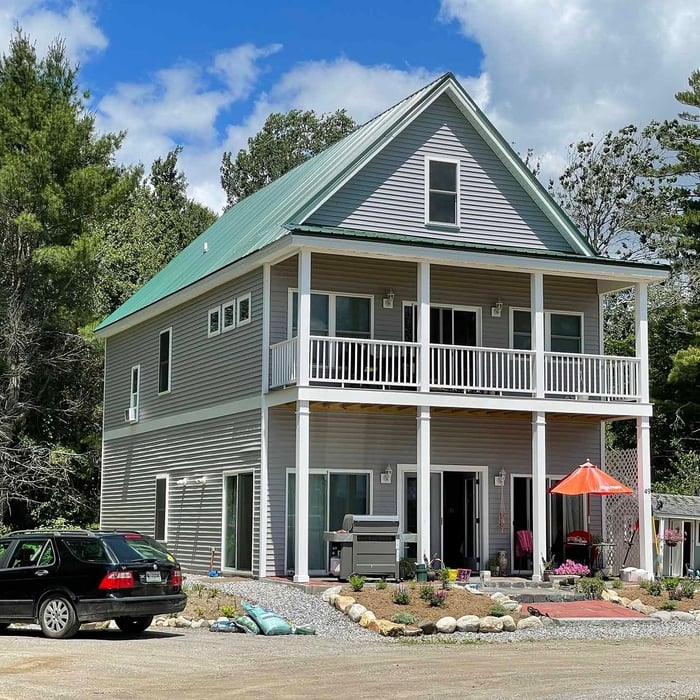
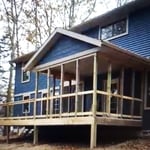
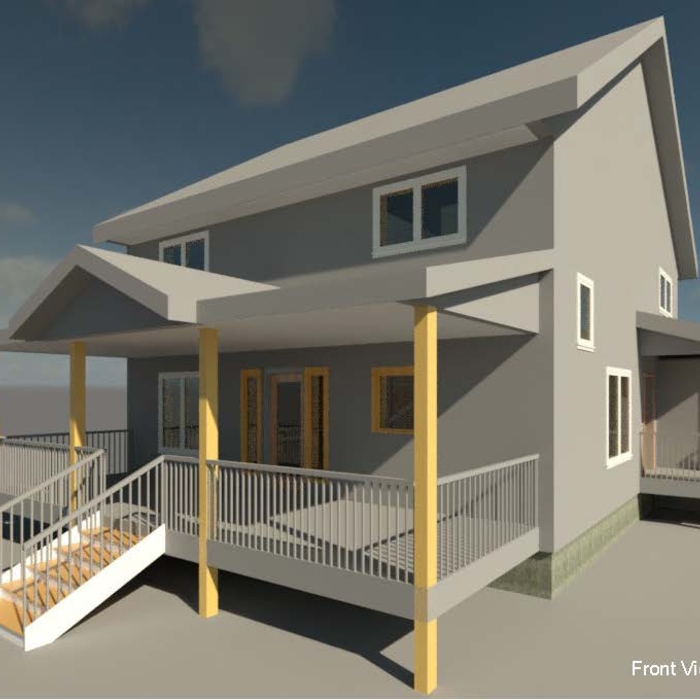
"Jacob Schott of Solid Framing Engineering was/is phenomenal is his support as a structural engineer. Mr. Schott listened, and heard, what the requirements were. He proposed acceptable, structurally engineered solutions in a timely, professional and thorough manner. We hired Jacob Schott of Solid Framing Engineering to aid in ensuring that residential new build actions would adhere to structural safety & longevity standards. Our requirements consisted of a rather large deck, a bridge (12?x29?) with a cover/portico section and exaggerated soffits. All these requirements were in Mid-coast Maine where significant winds, attacking from various directions, are prevalent and cause for multi-axis planning to control potential environmental considerations. Mr. Schott continued to provide engineering advice/direction after the sub contractor failed to adhere to specifications and induced the need for modified engineering solutions?even after having concluded the initial scope of work."
Response time1 day
9 neighbors recently requested a quote

Structural Engineering questions, answered by experts

On average, 6 inches of concrete can hold around 150 pounds per square foot, but the exact weight that 6 inches of concrete can hold depends on factors such as the type of concrete, the reinforcement method, soil conditions below, and structural design. If you’re concerned about the longevity of your concrete patio, walkway, or driveway, hire a professional to help you choose an appropriate concrete thickness and reinforcement method for your needs.

A few hours for inspection, with a detailed report following in a week.

The depth of any foundation style depends on your climate and how deep the frost line is, as building code requires that the footers of a foundation—which are built into a monolithic slab—sit at least a foot below the frost line. At the southern tip of Florida, for example, a monolithic slab foundation would only need to sit 12 inches under the soil at the widest parts. On some parts of the Canadian border, the frost line is 100 inches, which would mean a minimum of 112 inches, which is prohibitively deep for a monolithic slab.

All foundations have footers, including monolithic slabs. In some cases, the foundation itself acts as the footer, as in the case of a floating slab and a monolithic slab. With a monolithic slab, the footers—which are just the bottom-most portion of the foundation that distributes loads down to stable soil—are a part of the main slab and are constructed with a single pour.

Yes, a one-story house can have a load-bearing wall. The load-bearing walls in a single-story home are usually the exterior walls. If the house has a basement with exposed walls, the arrangement of the beams can help indicate what walls are load-bearing.

The Yarmouth, ME homeowners’ guide to structural engineering services

From average costs to expert advice, get all the answers you need to get your job done.

What do you need done? We’ll find top pros.
  • 🌱 "Mow a small front yard"
  • 🛠 "Fix a leaking pipe under the sink"
  • 🏠 "Repair shingles on an asphalt roof"