





Top-rated arborists.

Get matched with top arborists in Winter Harbor, ME

Enter your zip and get matched with up to 5 pros

Need a pro for your arboricultural service project in Winter Harbor, ME?

Select your specific project to find the pro for you.

TRUSTED BY WINTER HARBOR, ME HOMEOWNERS

  • Average homeowner rating star icon4.4
    Average homeowner rating
  • Verified reviews icon39
    Verified arboricultural services reviews

Find Arborists in Winter Harbor

Avatar for Jarrod Burns Tree Service
Jarrod Burns Tree Service
5.0(
6
)
Tree RemovalTree Trimming

Serving Winter Harbor, ME and surrounding areas

Approved

In business since 2020

Free estimates

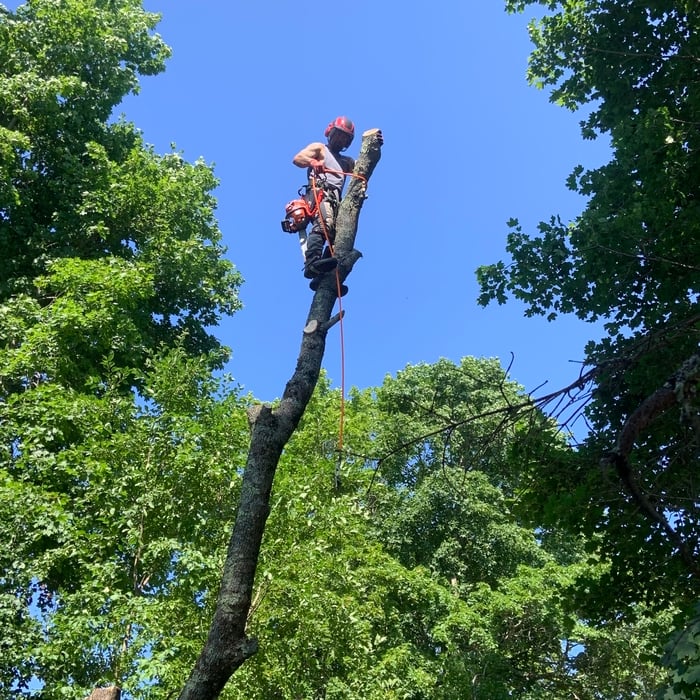
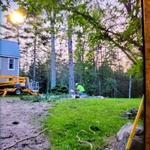
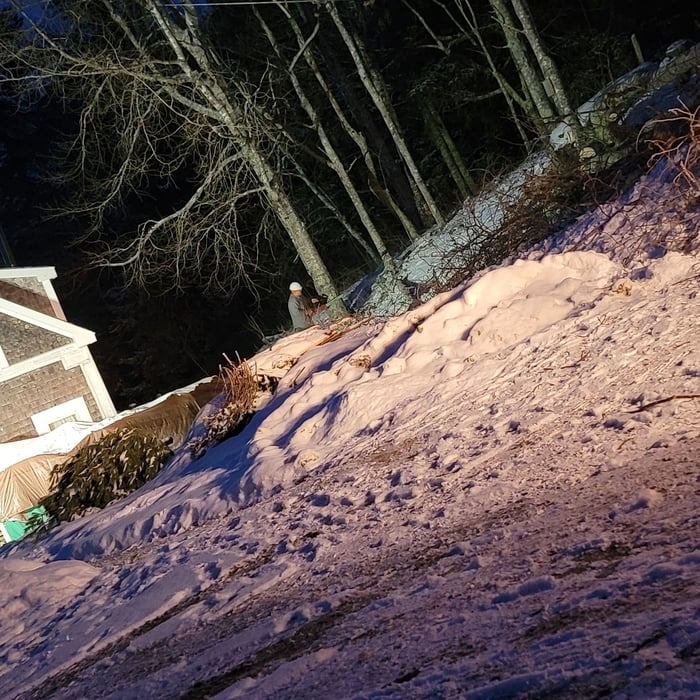
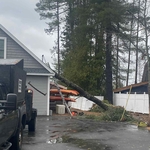
"Jarrod took down a very large 150 plus yr old pine tree that towered above the roof of our house! He is a pro for sure. He dropped it right where it needed to go and made it look way too easy! I recommend him highly for any tree service. His price is more than fair for his experience and skill."
Past tree jobs
Past tree jobs
Past tree jobs
Past tree jobs
Past tree jobs

+6

2 neighbors recently requested a quote
Avatar for true north property maintenance
true north property maintenance
5.0(
1
)
Tree Stump - RemoveTree Stump - Remove - For Business

Serving Winter Harbor, ME and surrounding areas

Approved

Free estimates

Emergency services offered

Small jobs welcome

hello my name is colby hamor, i am 21 years old and just starting up my own business as of summer of 25', i do lawn care- spring and fall cleanups, mowing, mulching sticks and leaves. stump grinding and downed tree cleanup. junk removal- house clean outs, scrap, trash.

6 neighbors recently requested a quote
Showing 1-10 of 24
Arborists questions, answered by experts

You need to remove all branches affected by Dutch elm disease. If your tree has several affected branches, you will probably need to remove the entire tree. First, consult a pro to be sure that you’ve correctly identified it as an elm tree. Make sure the tree is properly disposed of with a plastic covering or through debarking, chipping, or burning.

Aside from removing dead or diseased branches, you should prune your trees somewhere between every one and three years. Some people—particularly commercial farmers—prune their apple trees yearly to produce higher yields. This is the best way to promote tree health. That said, the average homeowner can get away with hard-pruning their mature apple tree every other year or every three years. 

Dead trees are dangerous for several reasons. They are structurally compromised and prone to branch or trunk failure, which can pose a significant safety risk to people, vehicles, and nearby structures. Dead trees can also harbor pests like termites, which may spread to other trees or your home. If a tree died from a disease, it could spread the illness to healthy trees. Additionally, the dry wood is highly flammable, increasing fire risk.

Yes, healthy and well-placed large trees can boost property value by an average of 3% to 15%. They improve curb appeal, offer energy savings through shade and wind protection, and are often considered by appraisers during home valuation. On the flip side, removing dead or hazardous trees can also increase value by eliminating safety risks. For the biggest return, choose low-maintenance, native species that thrive in your climate.

It depends on where you live—but in most areas, leaves begin falling in September and continue falling until January or February. Warmer regions, such as Southern states, may see leaves fall a bit later in the calendar year. It also depends on the type of trees in your yard and their maturity. 

The Winter Harbor, ME homeowners’ guide to arboricultural services

From average costs to expert advice, get all the answers you need to get your job done.