





Top-rated bird control service pros.

Get matched with top bird control service pros in Thorndike, ME

Enter your zip and get matched with up to 5 pros

Need a pro for your bird control service project in Thorndike, ME?

Select your specific project to find the pro for you.

TRUSTED BY THORNDIKE, ME HOMEOWNERS

  • Average homeowner rating star icon4.3
    Average homeowner rating
  • Verified reviews icon10
    Verified bird control services reviews

Find Bird control service pros in Thorndike

Avatar for Terminix® Pest Control
Terminix® Pest Control
4.0(
1
)

Serving Thorndike, ME and surrounding areas

Approved

In business since 1927

Free estimates

Warranties offered

"Very knowledgeable guy who seem to know what he’s doing. Don’t know results of spraying. Have had much rain since. Will have to see if it worked. Terminex will spray again the beginning of next month."
My jobs
My jobs
My jobs
My jobs
My jobs

+2

42 neighbors recently requested a quote
Avatar for IPM Pest & Wildlife Services
IPM Pest & Wildlife Services
5.0(
17
)

Serving Thorndike, ME and surrounding areas

In business since 1998

Free estimates

Emergency services offered

"Bob is a miracle worker. We tried everything we could think of to get rid of rats in our yard, including a visit from a well known national pest control company. Nothing worked. Bob came, worked his magic, and viola! - no more rats. He is pleasant, prompt, reasonable and gets the job done."
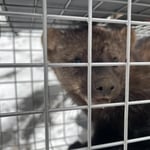
Fisher
Pest Control
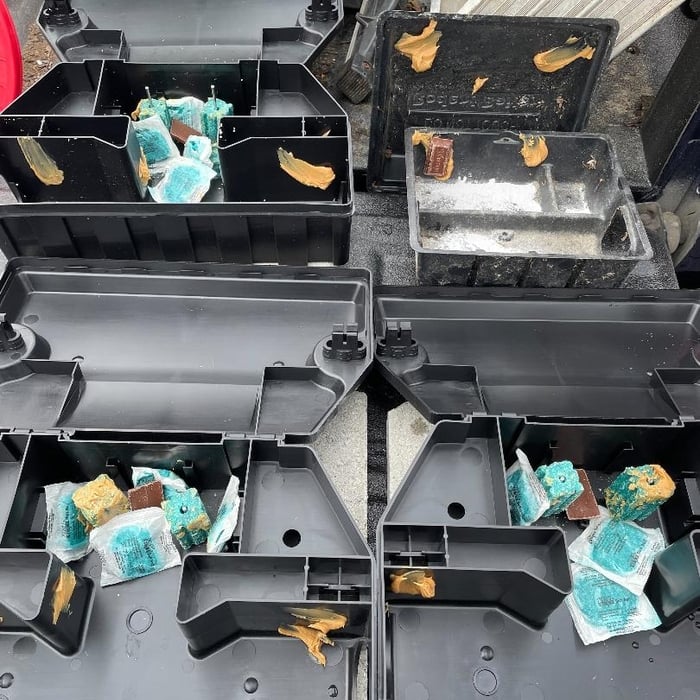
Rodent bait stations
Pest Control
Pest Control

+1

Response time5 hrs
Response rate100%
Recommended by100%of homeowners
Lockhart's Lawncare and Critter Removal - Facebook
New to Angi

Serving Thorndike, ME and surrounding areas

In business since 2007

Free estimates

Offers commercial services

Lockhart's specializes in safe and humane removal of wildlife. Every year we assist clients with various problems. Anything from mice in the house, squirrels living in chimneys, coyote getting too tame, to major porcupine damage to trees. If you have any problems with critters, don't put yourself in danger, CALL US! We also provide home inspections to reassure homeowners that critters are not causing damage to your property or living inside your living space.\nPlease be safe folks, wild animals are exactly that.....WILD!!!

Bird Control questions, answered by experts

It can be difficult to know what type of animal is in your attic until you see it. But several clues can help you narrow down the suspects:

  • Sounds: Smaller animals like rats and mice make scurrying and tapping/gnawing sounds. Larger animals like raccoons and opossums make louder clambering noises. Also, note when animals are noisy: Squirrels are active during the day, while rats are busiest at night.

  • Droppings: Rats and mice leave small, rice-shaped droppings (the rat’s version is significantly larger). Bigger droppings belong to larger critters like raccoons. As long as you’re not squeamish, an image search can help you identify what you’re seeing in your attic.

When in doubt, take photos of damage or other evidence and show them to an experienced pest control pro.

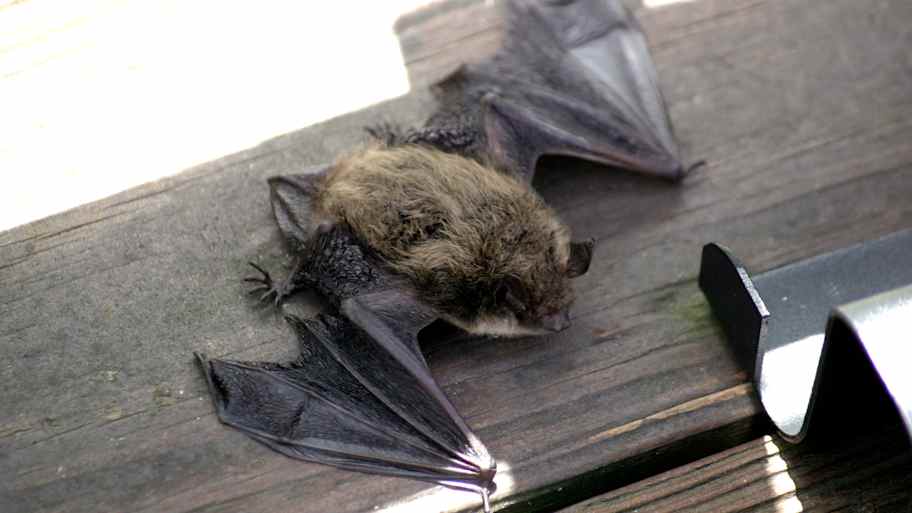
If you’ve had a prior bat infestation or simply want to avoid having bats invade your home in the first place, there are a few steps you can take without the need for a pro. 

  • Seal entry points, such as where your chimney meets your house, or other gaps or holes exist.

  • Use bat deterrents like bright lights or ultrasonic devices to force them away from your home. 

  • Reduce bat attractions like standing water and bird nectar feeders inviting bats into your yard.

Vinegar can keep some animals at bay, like deer, rabbits, foxes, and raccoons. Keep in mind that your household pets, like cats and dogs, also don’t like the smell of vinegar. You can soak rags in white vinegar and put them up around your garden beds to keep the pesky critters from eating your plants.

Numerous predators kill hornets, including frogs, birds, lizards, bats, spiders, and hedgehogs. Some larger predators, including rats, skunks, and racoons, will occasionally attack a hornet nest in order to eat the larvae inside. These natural predators typically don’t eat enough hornets to make them an effective form of hornet control. 

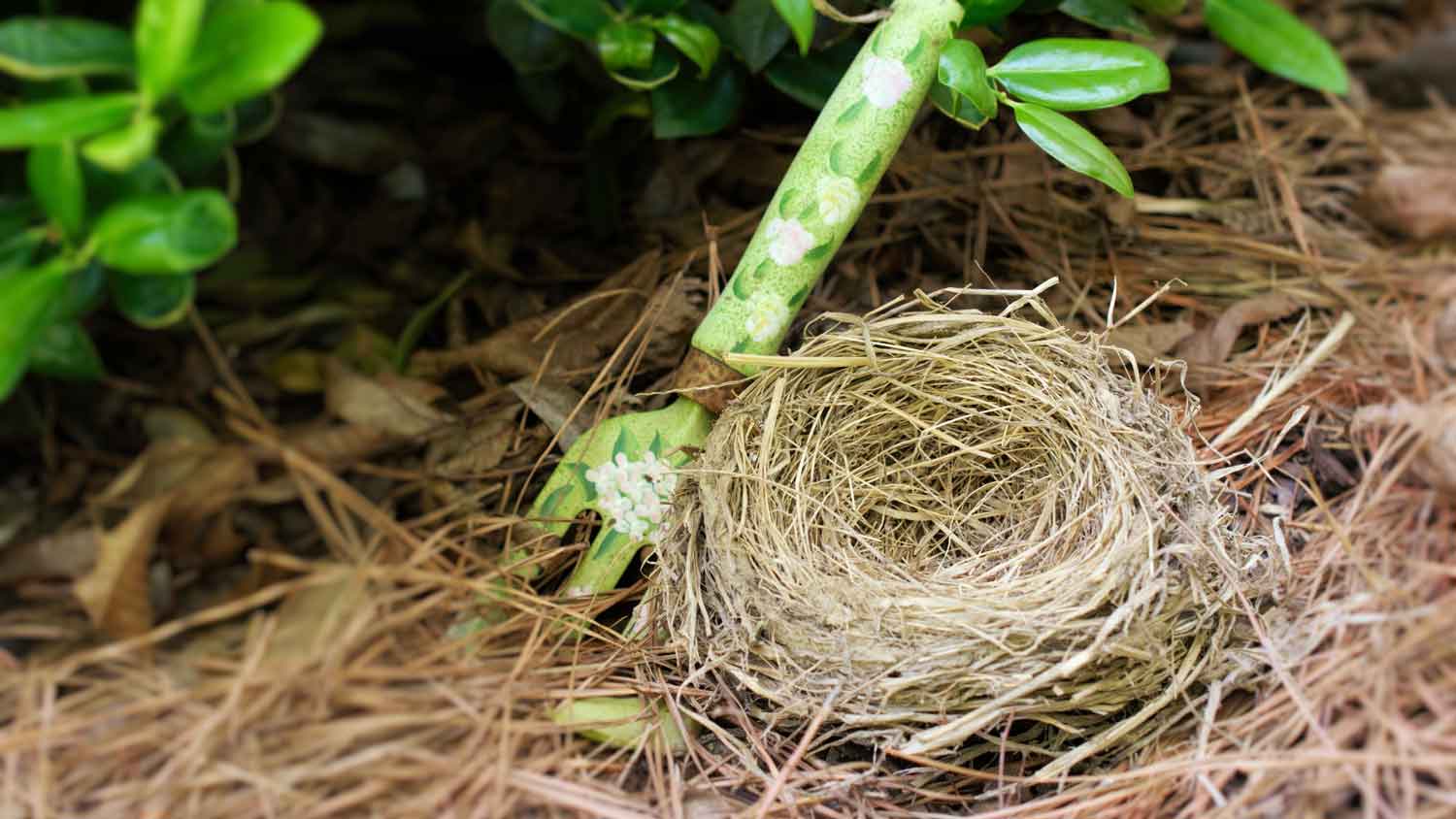
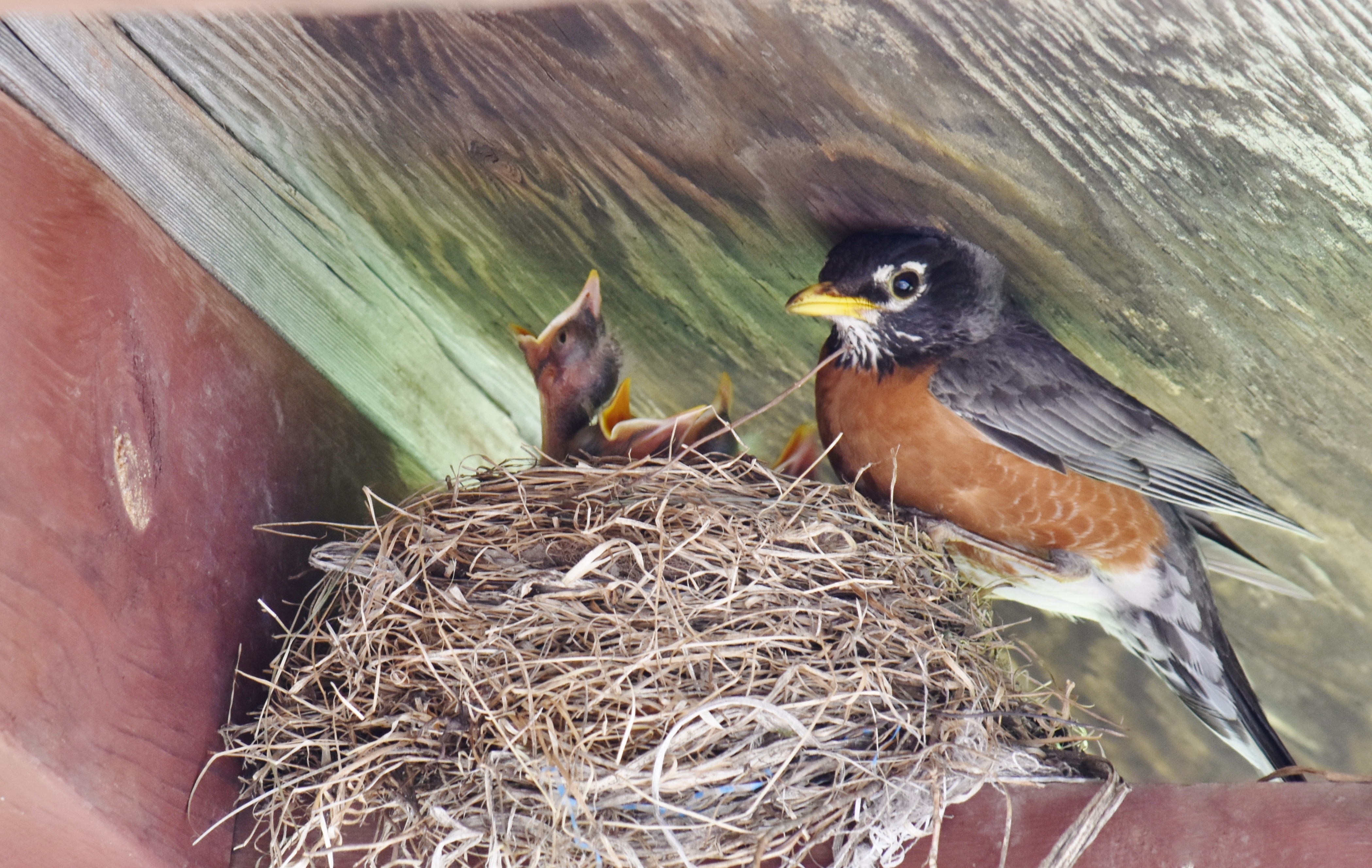
In most cases, a mother bird will return to a disturbed nest after the disturbance has passed. However, it can be hard for a mother bird to find a relocated nest. So, while it’s false that a mother bird will abandon her nest if it’s been disturbed, it’s not a good idea to relocate a nest with live babies or eggs in it.

The Thorndike, ME homeowners’ guide to bird control services

From average costs to expert advice, get all the answers you need to get your job done.