




Top-rated bird control service pros.

Get matched with top bird control service pros in Pittsfield, ME

Enter your zip and get matched with up to 5 pros

Need a pro for your bird control service project in Pittsfield, ME?

Select your specific project to find the pro for you.

TRUSTED BY PITTSFIELD, ME HOMEOWNERS

  • Average homeowner rating star icon4.8
    Average homeowner rating
  • Verified reviews icon12
    Verified bird control services reviews

Find Bird control service pros in Pittsfield

Avatar for IPM Pest & Wildlife Services
IPM Pest & Wildlife Services
5.0(
17
)
Pest Control - Birds and Bats

Serving Pittsfield, ME and surrounding areas

In business since 1998

Free estimates

Emergency services offered

"Bob is a miracle worker. We tried everything we could think of to get rid of rats in our yard, including a visit from a well known national pest control company. Nothing worked. Bob came, worked his magic, and viola! - no more rats. He is pleasant, prompt, reasonable and gets the job done."
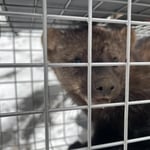
Fisher
Pest Control
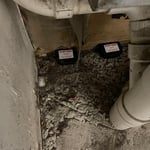
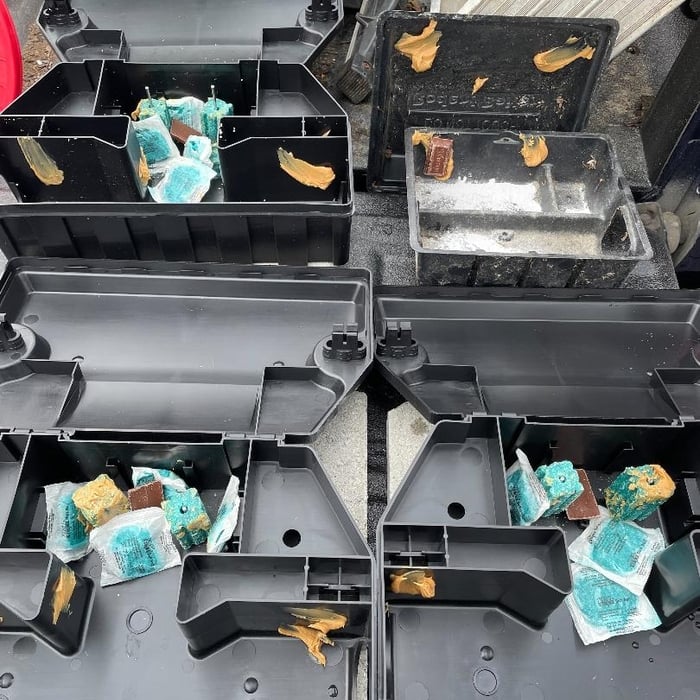
Rodent bait stations
Pest Control
Pest Control

+1

Response time5 hrs
Response rate100%
Recommended by100%of homeowners
Lockhart's Lawncare and Critter Removal - Facebook
New to Angi
Pest Control - Birds and Bats

Serving Pittsfield, ME and surrounding areas

In business since 2007

Free estimates

Offers commercial services

Lockhart's specializes in safe and humane removal of wildlife. Every year we assist clients with various problems. Anything from mice in the house, squirrels living in chimneys, coyote getting too tame, to major porcupine damage to trees. If you have any problems with critters, don't put yourself in danger, CALL US! We also provide home inspections to reassure homeowners that critters are not causing damage to your property or living inside your living space.\nPlease be safe folks, wild animals are exactly that.....WILD!!!

Bird Control questions, answered by experts

Set live traps or install a one-way door to evict squirrels, rodents, and other animals from your attic. Once they’re out, seal any entry points to prevent the animals from returning. If you’re dealing with an infestation, call a pro. 

When woodpeckers start banging on your walls or roof, they are probably looking for insects to eat, storing nuts for winter, drilling a hole to make a nest, or communicating with other birds to establish territory or find a mate.

The size of the hole can help determine the reason for the pecking. Small irregular holes are a result of insect hunts. Acorn holes are more consistently sized and often fitted with a nut in the middle. Nest holes are large and have rounded edges. If the bird is pecking to mark its territory or attract a mate, it may leave dents rather than holes, and the noise will stop when the mating season starts in spring.

Identifying the specific animal running on your roof at night can be challenging without direct observation. Common nocturnal roof visitors include raccoons, squirrels, opossums, and rats. Raccoons are bigger and can create heavy thumping sounds. Squirrels are agile and may produce rapid scurrying noises. Opossums tend to move stealthily with less noise. Rats can make scratching or gnawing sounds. To determine the culprit, look for signs like footprints, droppings, or damaged areas near the roof. For accurate identification, consult a pest control professional or set up wildlife cameras near potential entry points.

Keeping birds away from a porch can involve a combination of strategies. Start with cleaning your porch. Remove food, debris, and plants that may be attracting feathered friends. Afterward, install physical deterrents like netting or spikes. Next, top off your porch with a decoy or two—and owl or hawk works. When wondering how to keep birds off the porch, it is always best to use humane efforts that won't harm winged creatures or the environment.

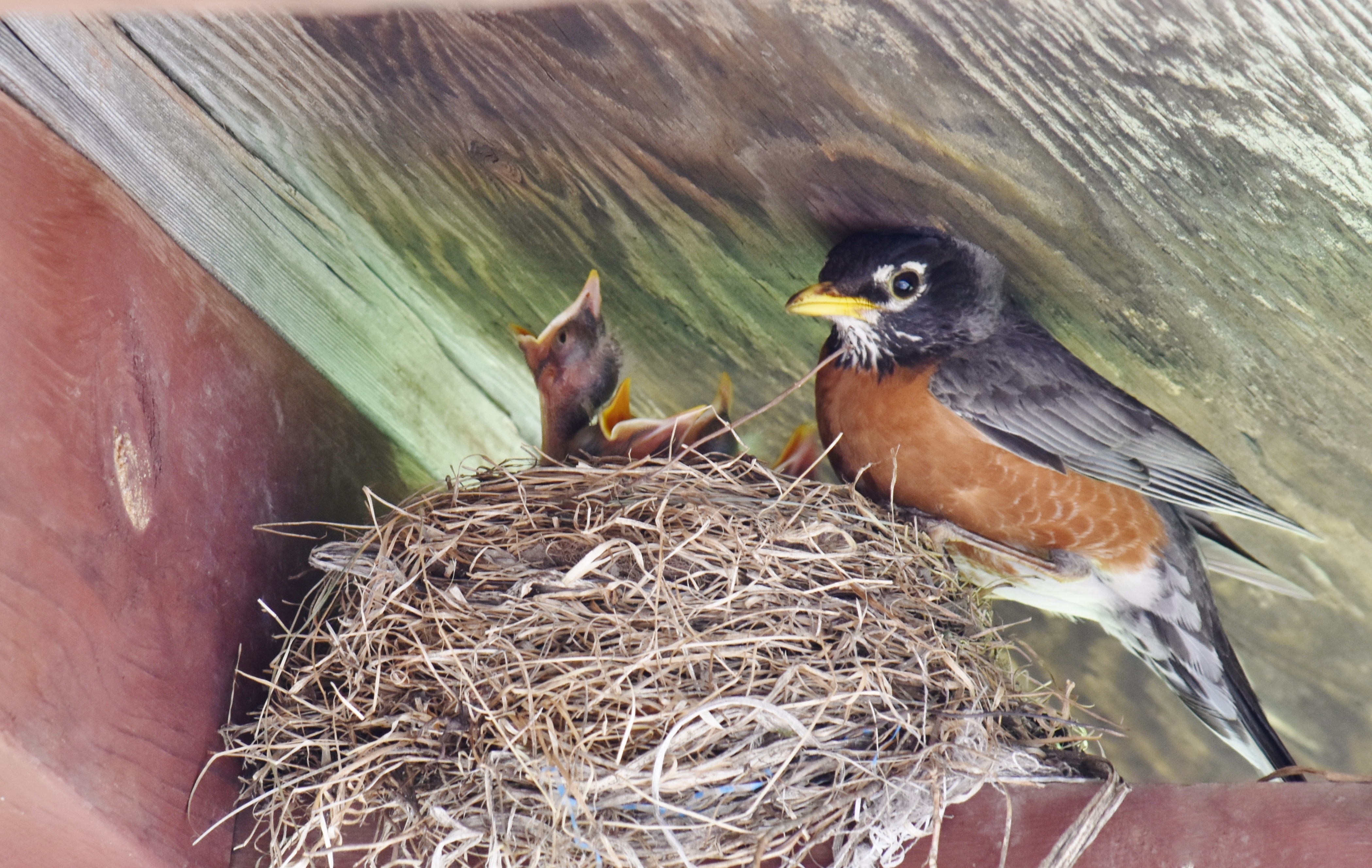
The lifespan of a bird's nest depends on the species. The building process can take from two days to three weeks. Once built, the nesting period for baby birds can last from two to ten weeks before they leave the nest. While most young birds are ready in two to six weeks, some predatory species may need up to two and a half months. Some species nest four to five times per year, so a nest could remain in use for several months. For specific information about a particular nest's longevity, it is best to consult a wildlife professional.

The Pittsfield, ME homeowners’ guide to bird control services

From average costs to expert advice, get all the answers you need to get your job done.