




Top-rated bird control service pros.

Get matched with top bird control service pros in Winterport, ME

Enter your zip and get matched with up to 5 pros

Need a pro for your bird control service project in Winterport, ME?

Select your specific project to find the pro for you.

Find Bird control service pros in Winterport

Avatar for IPM Pest & Wildlife Services
IPM Pest & Wildlife Services
5.0(
17
)
Pest Control - Birds and Bats

Serving Winterport, ME and surrounding areas

In business since 1998

Free estimates

Emergency services offered

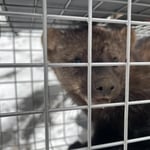
"Bob is a miracle worker. We tried everything we could think of to get rid of rats in our yard, including a visit from a well known national pest control company. Nothing worked. Bob came, worked his magic, and viola! - no more rats. He is pleasant, prompt, reasonable and gets the job done."
Fisher
Pest Control
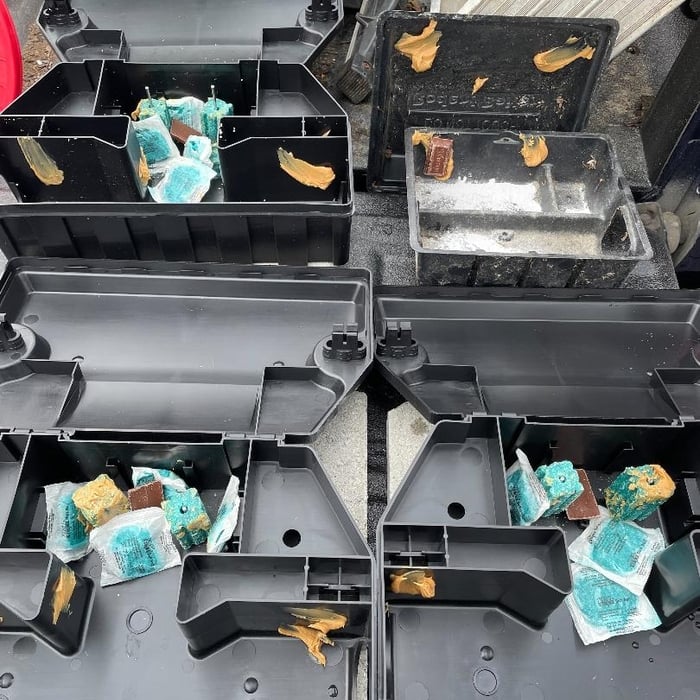
Rodent bait stations
Pest Control
Pest Control

+1

Response time5 hrs
Response rate100%
Recommended by100%of homeowners

Bird Control questions, answered by experts

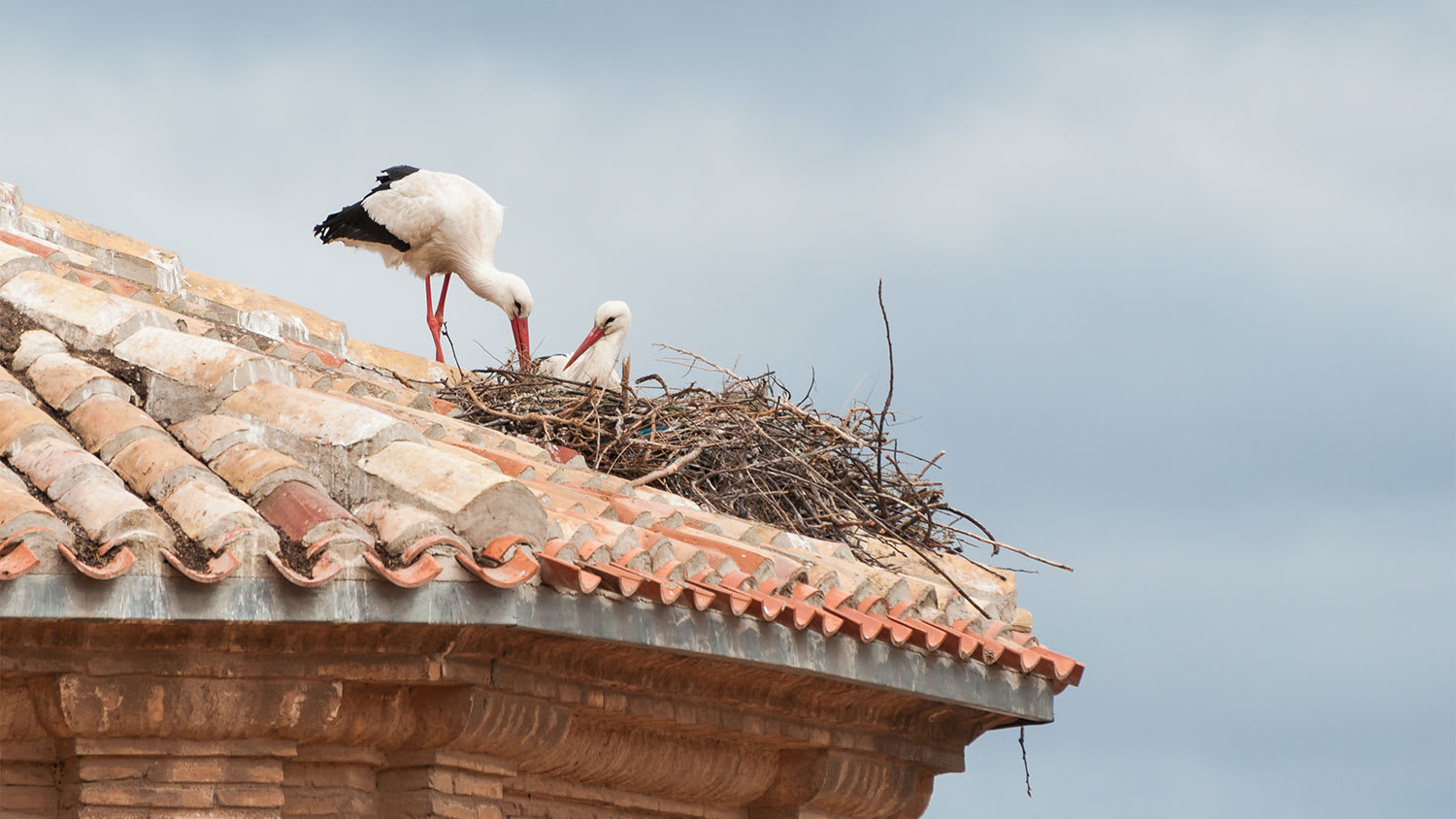
The lifespan of a bird's nest depends on the species. The building process can take from two days to three weeks. Once built, the nesting period for baby birds can last from two to ten weeks before they leave the nest. While most young birds are ready in two to six weeks, some predatory species may need up to two and a half months. Some species nest four to five times per year, so a nest could remain in use for several months. For specific information about a particular nest's longevity, it is best to consult a wildlife professional.

Woodpeckers usually feed on homes when there is a food source present, and termites are one possible source. However, the presence of woodpeckers doesn’t necessarily mean there are termites. They may also be feeding on more harmless insects like ants or spiders. If woodpeckers seem drawn to one particular part of your home’s siding, it might be worth hiring a termite inspector to check for the presence of these pesky critters.

When it comes to keeping birds from doing their business on your porch rails, you have several DIY options and home remedies you can try: 

  • Tie a fishing line from one end of the deck post to the other. Birds won’t be able to see the line across the railing, so they can’t land on it.  

  • Hang wind chimes close by, which may scare birds away. 

  • Apply a bird gel repellent to the railings, which contains smells that birds generally don’t like. Or, similarly, you can apply citronella or lemon oil around the railings, since birds don’t like strong smells.

It can be difficult to know what type of animal is in your attic until you see it. But several clues can help you narrow down the suspects:

  • Sounds: Smaller animals like rats and mice make scurrying and tapping/gnawing sounds. Larger animals like raccoons and opossums make louder clambering noises. Also, note when animals are noisy: Squirrels are active during the day, while rats are busiest at night.

  • Droppings: Rats and mice leave small, rice-shaped droppings (the rat’s version is significantly larger). Bigger droppings belong to larger critters like raccoons. As long as you’re not squeamish, an image search can help you identify what you’re seeing in your attic.

When in doubt, take photos of damage or other evidence and show them to an experienced pest control pro.

Yes, many professionals offer eco-friendly pest control solutions. These services often use non-toxic and environmentally safe products and integrate green practices to ensure effective pest management with minimal environmental impact.

The Winterport, ME homeowners’ guide to bird control services

From average costs to expert advice, get all the answers you need to get your job done.