


Top-rated boiler installation pros.

Get matched with top boiler installation pros in Phippsburg, ME

Enter your zip and get matched with up to 5 pros

TRUSTED BY PHIPPSBURG, ME HOMEOWNERS

  • Average homeowner rating star icon4.7
    Average homeowner rating
  • Verified reviews icon126
    Verified boiler installation services reviews

Find Boiler installation pros in Phippsburg

Integrated Air Solutions
5.0(
8
)
Boiler or Radiator Heating System - Install or ReplaceElectric Boiler or Radiator Heating System - InstallGas Boiler or Radiator Heating System - Install+3 more

Serving Phippsburg, ME and surrounding areas

In business since 2013

Emergency services offered

"Jeff was very knowledgeable and professional, moved and repaired my propane boiler when another company did not. i had struggled with this boiler not working properly for several years and in one visit he knew what was wrong and repaired it."
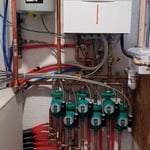
Additional Photos
Additional Photos
Additional Photos
Additional Photos
Additional Photos

+1

Recommended by100%of homeowners

Avatar for Precision HVAC, LLC
Precision HVAC, LLC
5.0(
4
)
Gas Boiler or Radiator Heating System - Install

Serving Phippsburg, ME and surrounding areas

In business since 2023

Credit card accepted

"Matt was amazing - so kind and professional. He fixed my boiler issues quickly and ensured that I was comfortable with everything before he left. 10/10 would recommend - I’ll definitely be using Matt again going forward!"
Response time3 hrs
Recommended by100%of homeowners
Showing 1-10 of 17
Install Boiler questions, answered by experts

The best time to buy home heating oil is in the summer when the demand is lowest, as the prices are usually lower. However, waiting until the summer to buy is often unavoidable unless you install a separate storage tank. If you have the space for a second tank, you can expect to pay between $1,000 and $4,000 for the oil tank replacement or installation, depending on the capacity and location. You could quickly recuperate these costs, though, by stocking up on heating oil in the summer and avoiding deliveries in the winter when prices are highest.

Generally, an oil furnace is considered safer than a gas furnace for several reasons. While both types of furnaces can produce carbon monoxide, a leak in an oil furnace is easier to detect due to the smell. Oil furnaces also don't connect to a gas pipeline, which reduces the chance of a fuel leak. Most importantly, heating oil is not combustible, whereas natural gas is highly flammable. This means there is a much lower risk of combustion or explosion with an oil furnace. However, an oil furnace can still pose a fire hazard if it tips over.

No, there isn’t always water in radiators. In a one-pipe system, water is constantly circulating from the boiler to the radiators and back. In a two-pipe system, water travels through two separate channels: one that goes to your radiators and one that returns back to the boiler so it can heat up again.

Heat pumps are significantly more efficient than boilers, typically providing three to four times the amount of heat for the electricity they consume. While boilers run on fossil fuels, heat pumps use only electricity. This efficiency can lead to long-term savings on operating and maintenance costs. However, heat pumps have a higher upfront installation price compared to boilers. Despite their lower efficiency, boilers remain a popular choice for many homeowners, with 8 million in the United States alone, due to their lower initial cost and less intensive installation process. Ultimately, the best choice depends on your home's infrastructure, your budget, and your personal heating priorities.

An HVAC system typically lasts between 10 and 30 years, with an average lifespan of 15 to 25 years. The longevity of the system is influenced by factors such as the quality of the unit, usage frequency, local climate, and how well it is maintained. Regular maintenance, including cleaning, filter replacements, and professional inspections, can help maximize its lifespan. Different components within the system have varying life expectancies. For example:

  • Furnaces: 15 to 30 years

  • Boilers: 20 to 35 years

  • Air Conditioners (AC units): 12 to 20 years
  • Heat Pumps: 10 to 20 years

  • Ductless Mini-Splits: 10 to 30 years

The Phippsburg, ME homeowners’ guide to boiler installation services

From average costs to expert advice, get all the answers you need to get your job done.