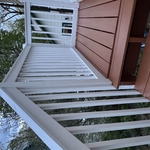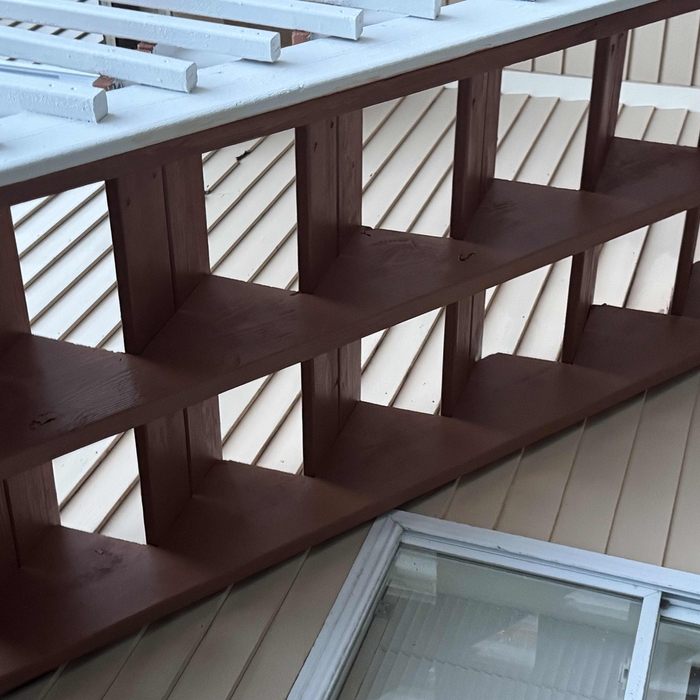






Top-rated deck cleaning pros.

Get matched with top deck cleaning pros in Old Town, ME

Enter your zip and get matched with up to 5 pros

Need a pro for your deck cleaning project in Old Town, ME?

Select your specific project to find the pro for you.

TRUSTED BY OLD TOWN, ME HOMEOWNERS

  • Average homeowner rating star icon4.1
    Average homeowner rating
  • Verified reviews icon17
    Verified deck cleaning services reviews

Find Deck cleaning pros in Old Town

Avatar for Maine Cleanouts, LLC
Maine Cleanouts, LLC
5.0(
3
)
Deck, Fence, Patio or Porch - Clean and Seal

Serving Old Town, ME and surrounding areas

In business since 2010

Free estimates

Warranties offered

We are known for our prompt service and superior attention to detail. We specialize in general home maintenance and clean ups. We take great pride in customer satisfaction so please call Maine Cleanouts, LLC today, where we always appreciate your business. We now offer small item moving.\n\n Terms/ Fees:\n1) $ 20.00 service fee: This fee is for fuel and my time. Sorry but I can't keep running around the state for free. This fee is due at the time of Estimate.\n2) If items are need to be ordered you must pay 1/2 up front. then the balance when job is finished. \n Thank you and we hope to hear from you soon.

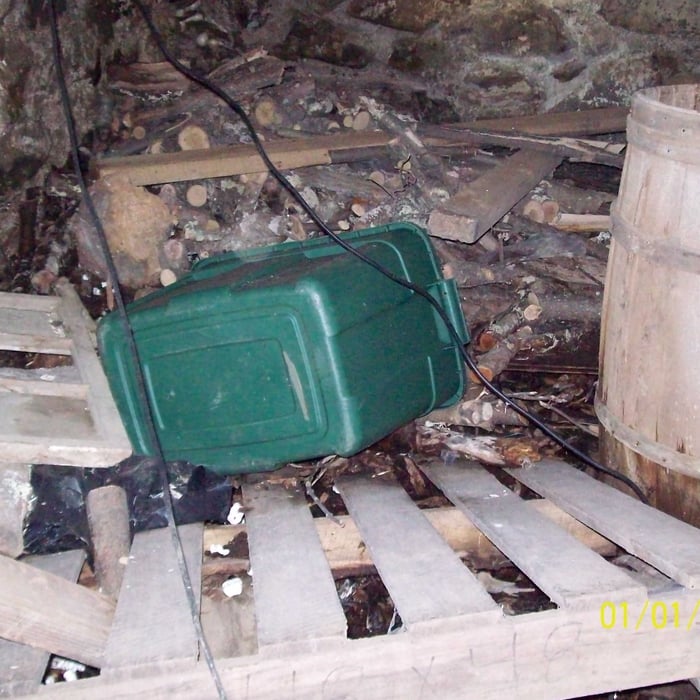
Basement
 Photo of the Garage
Basement
 photo of livingroom
Basement

+7

Recommended by100%of homeowners

Avatar for KJS Building Solutions
KJS Building Solutions
5.0(
2
)
Deck, Fence, Patio or Porch - Clean and Seal

Serving Old Town, ME and surrounding areas

In business since 2016

Free estimates

Warranties offered

With over 10 years of experience in the carpentry industry, we are the experts for all of your home improvement needs. We handle everything from rough framing to interior finish work and everything in between we will always treat your home as if it were our own. Give KJS Building Solutions a call today. We look forward to working with you!

Recommended by100%of homeowners

Showing 1-10 of 36
Deck Cleaning questions, answered by experts

Most building codes require that railing spindles (also known as balusters) on decks or stairs be spaced no more than four inches apart. This safety standard is often called the '4-inch sphere rule,' which means a sphere with a 4-inch diameter should not be able to pass through the opening between balusters. This rule is in place to prevent small children and pets from slipping through the railing. For the same reason, the space between the bottom rail and the deck or floor surface should also be no more than four inches. As a general guideline, professionals often install three balusters per foot of railing. However, since specific requirements can vary by location, it is essential to check your local building codes to ensure compliance before starting your project.

The proper and most comfortable height for a deck stair riser, also called a step, is between four and seven inches. A height of seven inches is often considered ideal for a strain-free step that minimizes the risk of trips and falls. While it is possible to have risers up to 12 inches, this height can be challenging for children, pets, or individuals with mobility issues. For optimal safety and comfort, pair a seven-inch riser with a tread depth (or run) of at least 10 to 12 inches. Always check your local building codes, as they may have specific requirements that differ from these general recommendations.

Composite decking might cost more upfront, but it delivers value in terms of durability. Unlike wood, composite material resists common deck problems such as rotting, fading, warping, and all the other things you don’t want a deck to do. The extra processes lead to a higher price tag, but you’ll save big in maintenance costs down the road.

Yes, it’s definitely possible to build a pergola on an existing deck. All you need to do is attach the pergola support beams to the deck’s joists and build up from there. Beware that mistakes can damage your deck, so if you’re at all unsure of the process, play it safe and hire a pro for your custom build.

Ideally, a gate should be able to swing both in and out. However, if it can only open in one direction, it is generally best for it to swing inward. This is often the safest option, especially for deck gates near steps, as you'll want the gate to swing away from the stairs. An inward swing also prevents the gate from opening into a public space, like a sidewalk, and can be more convenient when carrying heavy items like a wheelbarrow into a garden.

There are exceptions, however. The layout of your property may require a different approach. For example, if your property is on a slope, the gate may not be able to swing inward. You should also ensure the gate can open fully without colliding with any objects or blocking access to other areas. For a backyard garden gate where public access isn't a concern, the direction it swings is largely a matter of personal preference. Finally, always check your local building codes, as they may have specific requirements for which way a gate must swing.

The Old Town, ME homeowners’ guide to deck cleaning services

From average costs to expert advice, get all the answers you need to get your job done.