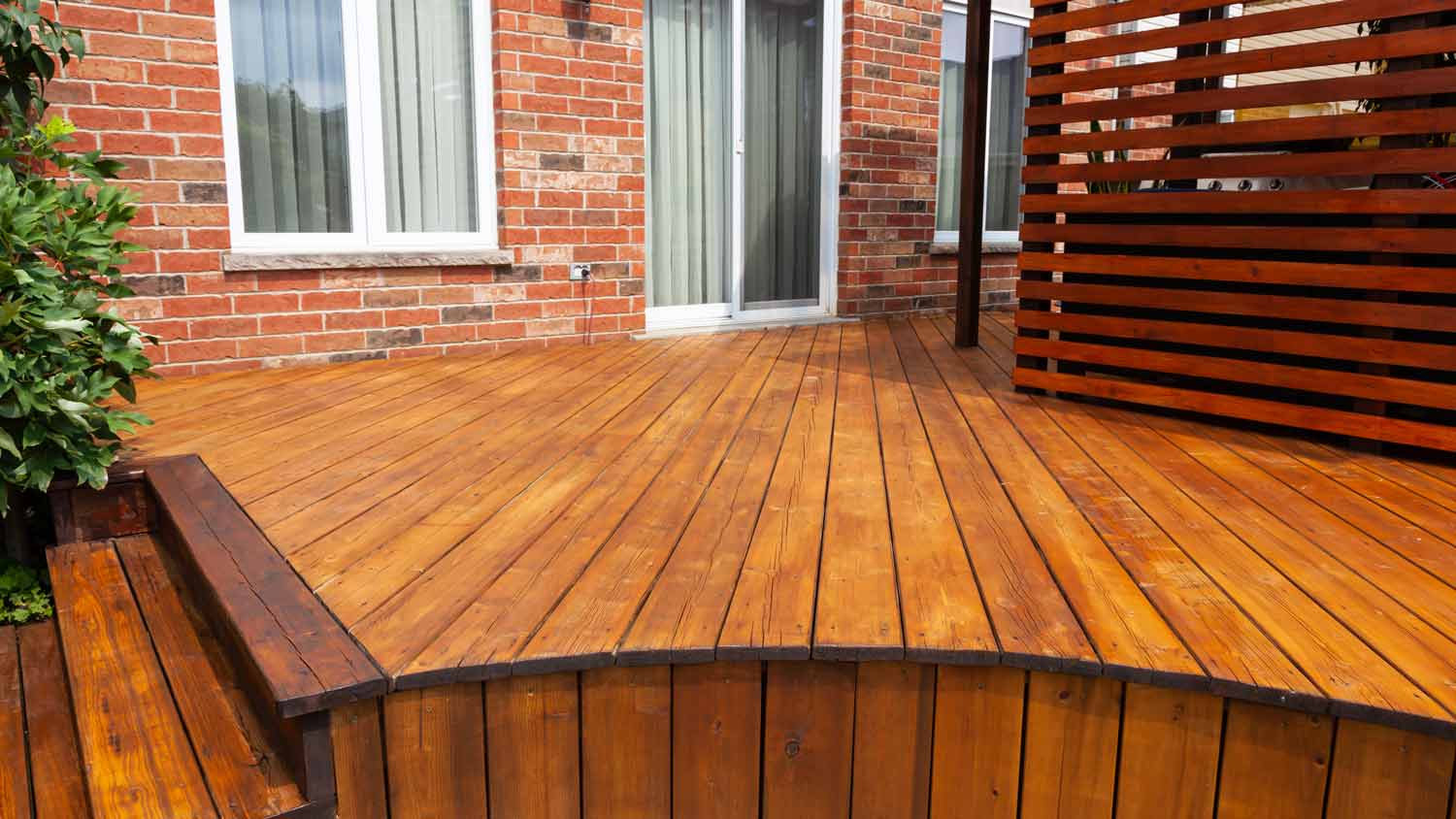





Top-rated deck cleaning pros.

Get matched with top deck cleaning pros in Kenduskeag, ME

Enter your zip and get matched with up to 5 pros

Need a pro for your deck cleaning project in Kenduskeag, ME?

Select your specific project to find the pro for you.

TRUSTED BY KENDUSKEAG, ME HOMEOWNERS

  • Average homeowner rating star icon3.9
    Average homeowner rating
  • Verified reviews icon15
    Verified deck cleaning services reviews

Find Deck cleaning pros in Kenduskeag

Avatar for wedoitpropertycare
wedoitpropertycare
5.0(
2
)
Deck, Fence, Patio or Porch - Clean and Seal

Serving Kenduskeag, ME and surrounding areas

Free estimates

Emergency services offered

Warranties offered

we specialize in lawncare but so many services to offer for property care.At we do it we offer clean ups,clean outs,junk removal,light tree work,tractor work and property maintenance and repairs for residential and commercial homes,camps and rentals and capiable of more that is needed.

Avatar for Maine Cleanouts, LLC
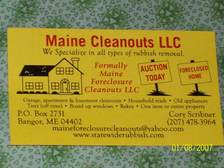
Maine Cleanouts, LLC
5.0(
3
)
Deck, Fence, Patio or Porch - Clean and Seal

Serving Kenduskeag, ME and surrounding areas

In business since 2010

Free estimates

Warranties offered

We are known for our prompt service and superior attention to detail. We specialize in general home maintenance and clean ups. We take great pride in customer satisfaction so please call Maine Cleanouts, LLC today, where we always appreciate your business. We now offer small item moving.\n\n Terms/ Fees:\n1) $ 20.00 service fee: This fee is for fuel and my time. Sorry but I can't keep running around the state for free. This fee is due at the time of Estimate.\n2) If items are need to be ordered you must pay 1/2 up front. then the balance when job is finished. \n Thank you and we hope to hear from you soon.

Basement
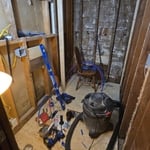
 Photo of the Garage
Basement
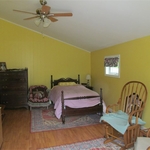
 photo of livingroom
Basement

+7

Recommended by100%of homeowners
Showing 1-10 of 39
Deck Cleaning questions, answered by experts

Building codes for deck railings can vary by location, so it's important to consult your local regulations before construction. Generally, a guardrail is required for any deck that is more than 30 inches above the ground.

For residential properties, the standard minimum height for a deck railing is 36 inches. However, some states and municipalities have stricter requirements; for example, California and Washington mandate railings that are at least 42 inches high. Therefore, a 42-inch railing is not considered too high and may be required in your area or chosen voluntarily for additional safety.

In addition to height requirements, codes also specify other safety features, such as the maximum spacing between balusters to ensure they are close enough to prevent a child from squeezing through.

Composite decking may never warp, or it may warp quickly. Several factors can influence the rate of warping, including the material's quality, installation method, and installation location. Generally speaking, high-quality materials that have been installed properly are drastically less prone to warping.

Most building codes require that railing spindles (also known as balusters) on decks or stairs be spaced no more than four inches apart. This safety standard is often called the '4-inch sphere rule,' which means a sphere with a 4-inch diameter should not be able to pass through the opening between balusters. This rule is in place to prevent small children and pets from slipping through the railing. For the same reason, the space between the bottom rail and the deck or floor surface should also be no more than four inches. As a general guideline, professionals often install three balusters per foot of railing. However, since specific requirements can vary by location, it is essential to check your local building codes to ensure compliance before starting your project.

To flatten a cupped deck board, start by ensuring it’s dry. Then, try flipping the board over so the cupped side faces down and reattach it. If that’s not possible, you can use screws to pull it tighter to the joists or plane the edges slightly to reduce the cup. It’s best to replace severely cupped boards.

Ideally, a gate should be able to swing both in and out. However, if it can only open in one direction, it is generally best for it to swing inward. This is often the safest option, especially for deck gates near steps, as you'll want the gate to swing away from the stairs. An inward swing also prevents the gate from opening into a public space, like a sidewalk, and can be more convenient when carrying heavy items like a wheelbarrow into a garden.

There are exceptions, however. The layout of your property may require a different approach. For example, if your property is on a slope, the gate may not be able to swing inward. You should also ensure the gate can open fully without colliding with any objects or blocking access to other areas. For a backyard garden gate where public access isn't a concern, the direction it swings is largely a matter of personal preference. Finally, always check your local building codes, as they may have specific requirements for which way a gate must swing.

The Kenduskeag, ME homeowners’ guide to deck cleaning services

From average costs to expert advice, get all the answers you need to get your job done.