
Top-rated bird control service pros.

Get matched with top bird control service pros in Monmouth, ME

Enter your zip and get matched with up to 5 pros

Need a pro for your bird control service project in Monmouth, ME?

Select your specific project to find the pro for you.

TRUSTED BY MONMOUTH, ME HOMEOWNERS

  • Average homeowner rating star icon4.8
    Average homeowner rating
  • Verified reviews icon28
    Verified bird control services reviews

Find Bird control service pros in Monmouth

Northeast Wildlife Services
4.7(
29
)
Pest Control - Birds and BatsPest Control - Birds and Bats - For Business

Serving Monmouth, ME and surrounding areas

Approved

In business since 2018

Free estimates

Credit card accepted

"I contacted Angi’s list regarding a problem with bats. Ray called right away and came to my house on a rainy Sunday. The job is not complete yet but part 1 is done and I’m very hopeful this will resolve my problem.More expensive than I anticipated but Ray offered me a payment plan. Very professional"
Recommended by100%of homeowners
Avatar for Little Bear Wildlife Services  Facebook
Little Bear Wildlife Services Facebook
5.0(
1
)
Pest Control - Birds and BatsPest Control - Birds and Bats - For Business

Serving Monmouth, ME and surrounding areas

In business since 2020

Free estimates

Emergency services offered

"Josh was amazing and beyond helpful. He answered all my questions and concerns that I had in regards to the treatment. He completed his work efficiently and it was beautifully done! I highly suggest Little Bear Wildlife Services for all your wildlife and exclusion services."
Skunk
Raccoon
Chipmunks
Chipmunks
Raccoon

+3

Response time30 mins
Response rate100%
Recommended by100%of homeowners
Bird Control questions, answered by experts

The cost to hire an exterminator or pest control service is $175 on average, with typical costs ranging from $100 to $500. However, you could spend more depending on several factors, including the type of pest, the size and severity of the infestation, and the number of visits required.

Service costs also vary by frequency:

• One-time service: $300–$550

• Initial visit with ongoing service: $150–$300

• Monthly visits: $40–$70

• Quarterly visits: $100–$300

• Annual visits: $300–$550

The type of pest significantly impacts the price. For example, exterminating spiders typically costs between $100 and $300, while a termite problem can range from $230 to $2,500 or more, depending on the extent of the damage. Routine pest control services can help prevent future infestations and costly damage to your home.

Look for goose repellents that contain the ingredient methyl anthranilate. This is a natural chemical found in grape juice. In human food, it’s often used as grape flavoring. With geese, it’s highly irritating. Grape Kool-Aid contains methyl anthranilate, the active ingredient in most bird repellents. It won’t harm geese, but it will deter them.

When woodpeckers start banging on your walls or roof, they are probably looking for insects to eat, storing nuts for winter, drilling a hole to make a nest, or communicating with other birds to establish territory or find a mate.

The size of the hole can help determine the reason for the pecking. Small irregular holes are a result of insect hunts. Acorn holes are more consistently sized and often fitted with a nut in the middle. Nest holes are large and have rounded edges. If the bird is pecking to mark its territory or attract a mate, it may leave dents rather than holes, and the noise will stop when the mating season starts in spring.

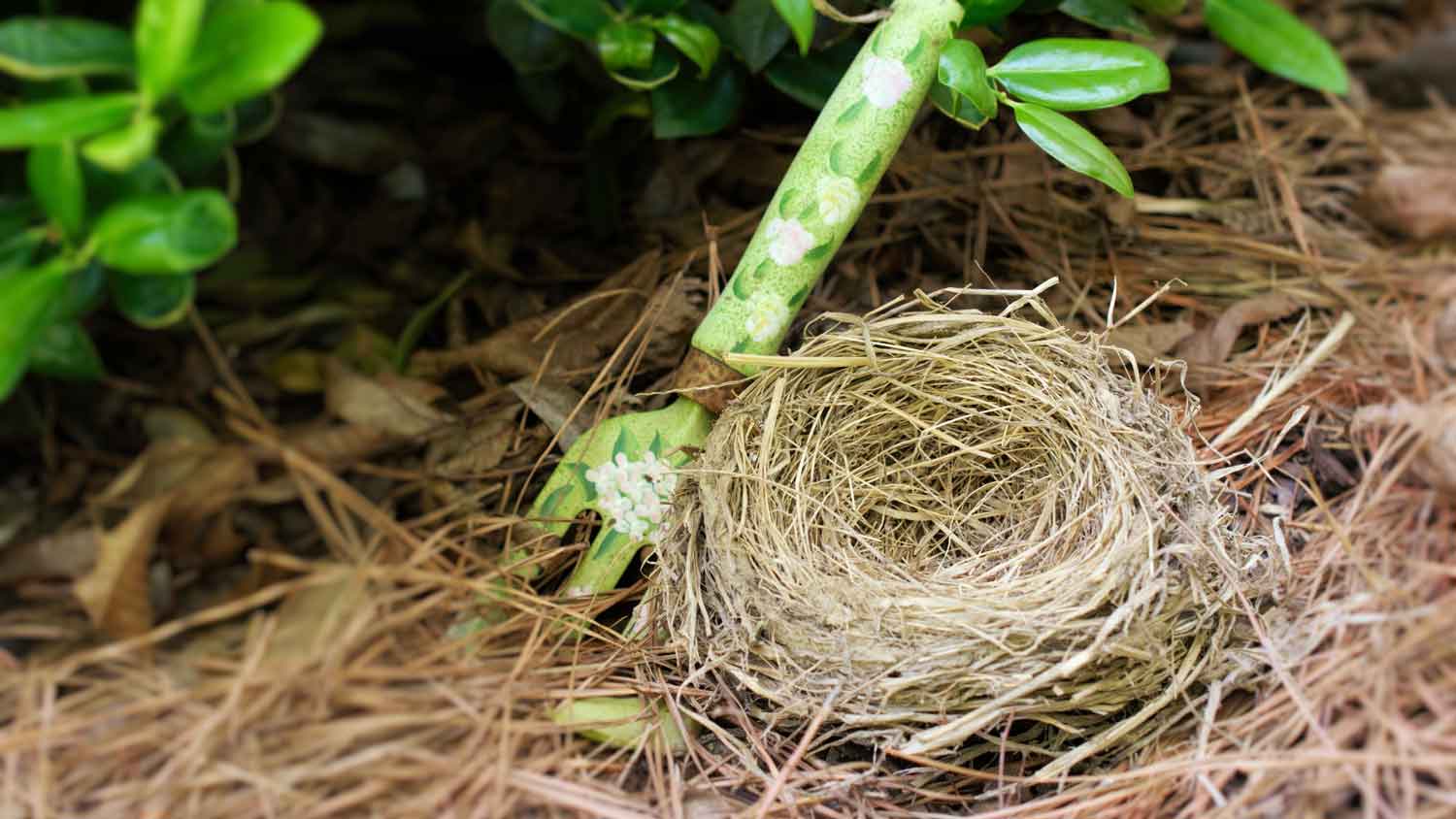
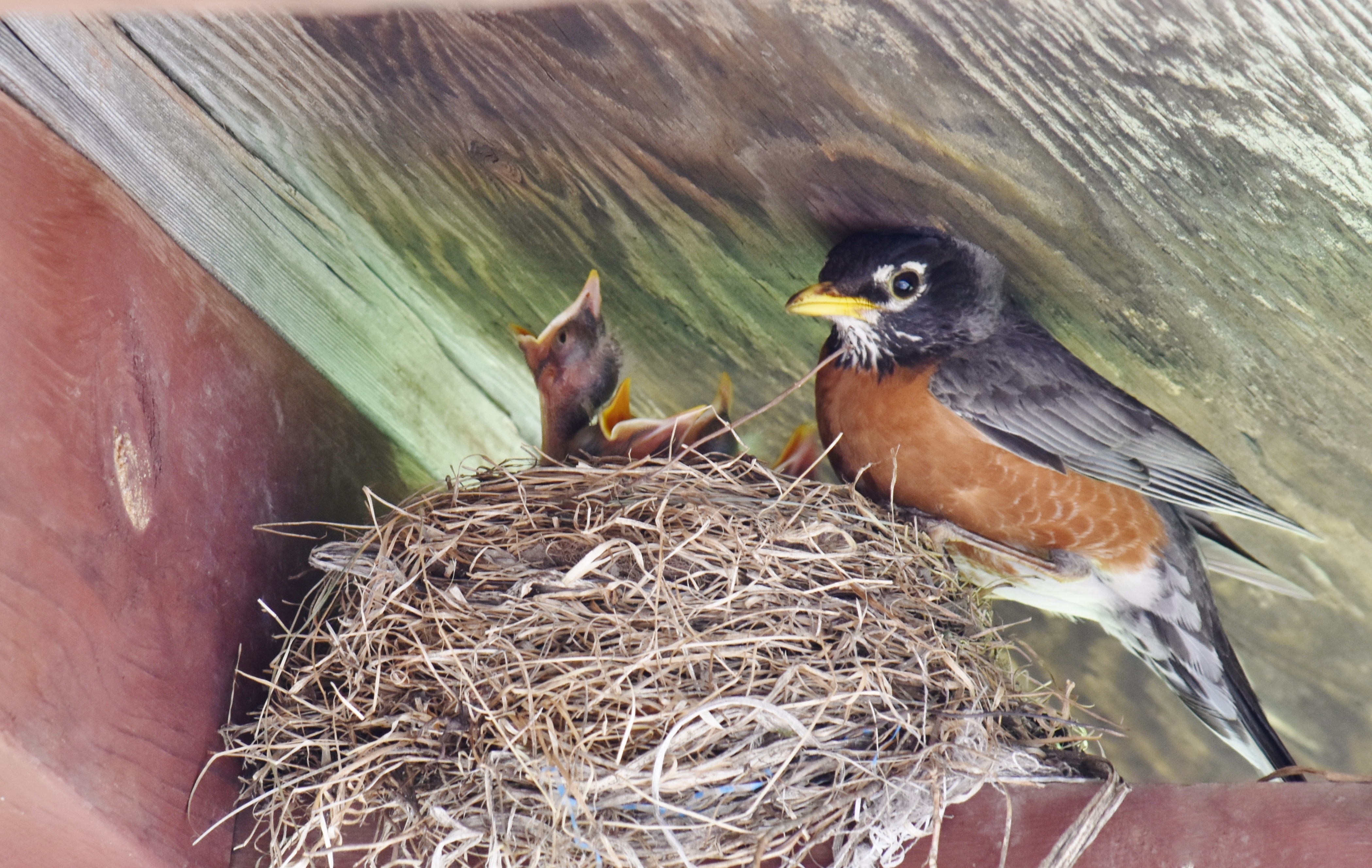
The lifespan of a bird's nest depends on the species. The building process can take from two days to three weeks. Once built, the nesting period for baby birds can last from two to ten weeks before they leave the nest. While most young birds are ready in two to six weeks, some predatory species may need up to two and a half months. Some species nest four to five times per year, so a nest could remain in use for several months. For specific information about a particular nest's longevity, it is best to consult a wildlife professional.

Trees that provide a habitat to bats and an abundance of bugs—their main food source—will attract bats to your yard. Because the North American landscape has changed so much in recent years, bats have a harder time finding trees with cavities to shelter in. If your yard has a dead or dying tree with a lot of sun exposure, bats will likely be drawn to it because trees with those features are less common.

The Monmouth, ME homeowners’ guide to bird control services

From average costs to expert advice, get all the answers you need to get your job done.