








Top-rated bird control service pros.

Get matched with top bird control service pros in Litchfield, ME

Enter your zip and get matched with up to 5 pros

Need a pro for your bird control service project in Litchfield, ME?

Select your specific project to find the pro for you.

TRUSTED BY LITCHFIELD, ME HOMEOWNERS

  • Average homeowner rating star icon4.7
    Average homeowner rating
  • Verified reviews icon27
    Verified bird control services reviews

Find Bird control service pros in Litchfield

Avatar for All American Wildlife Control
All American Wildlife Control
4.9(
50
)
Pest Control - Birds and BatsPest Control - Birds and Bats - For Business

Serving Litchfield, ME and surrounding areas

Approved

In business since 2014

Emergency services offered

Warranties offered

"Shannon came to our rescue to help with our raccoon in the attic the same day I called AND it was Easter Sunday! Now that is amazing customer service! Had to drive 90 minutes to get to my Scarborough home. He will be our go-to guy for all future wildlife control."

Groundhog Removal
Skunk Removal
Squirrel Removal
Bat Removal
Raccoon Removal

+4

Response time6 hrs
Recommended by100%of homeowners

Avatar for Little Bear Wildlife Services  Facebook
Little Bear Wildlife Services Facebook
5.0(
1
)
Pest Control - Birds and BatsPest Control - Birds and Bats - For Business

Serving Litchfield, ME and surrounding areas

In business since 2020

Free estimates

Emergency services offered

"Josh was amazing and beyond helpful. He answered all my questions and concerns that I had in regards to the treatment. He completed his work efficiently and it was beautifully done! I highly suggest Little Bear Wildlife Services for all your wildlife and exclusion services."
Skunk
Raccoon
Chipmunks
Chipmunks
Raccoon

+3

Response time30 mins
Response rate100%
Recommended by100%of homeowners

Bird Control questions, answered by experts

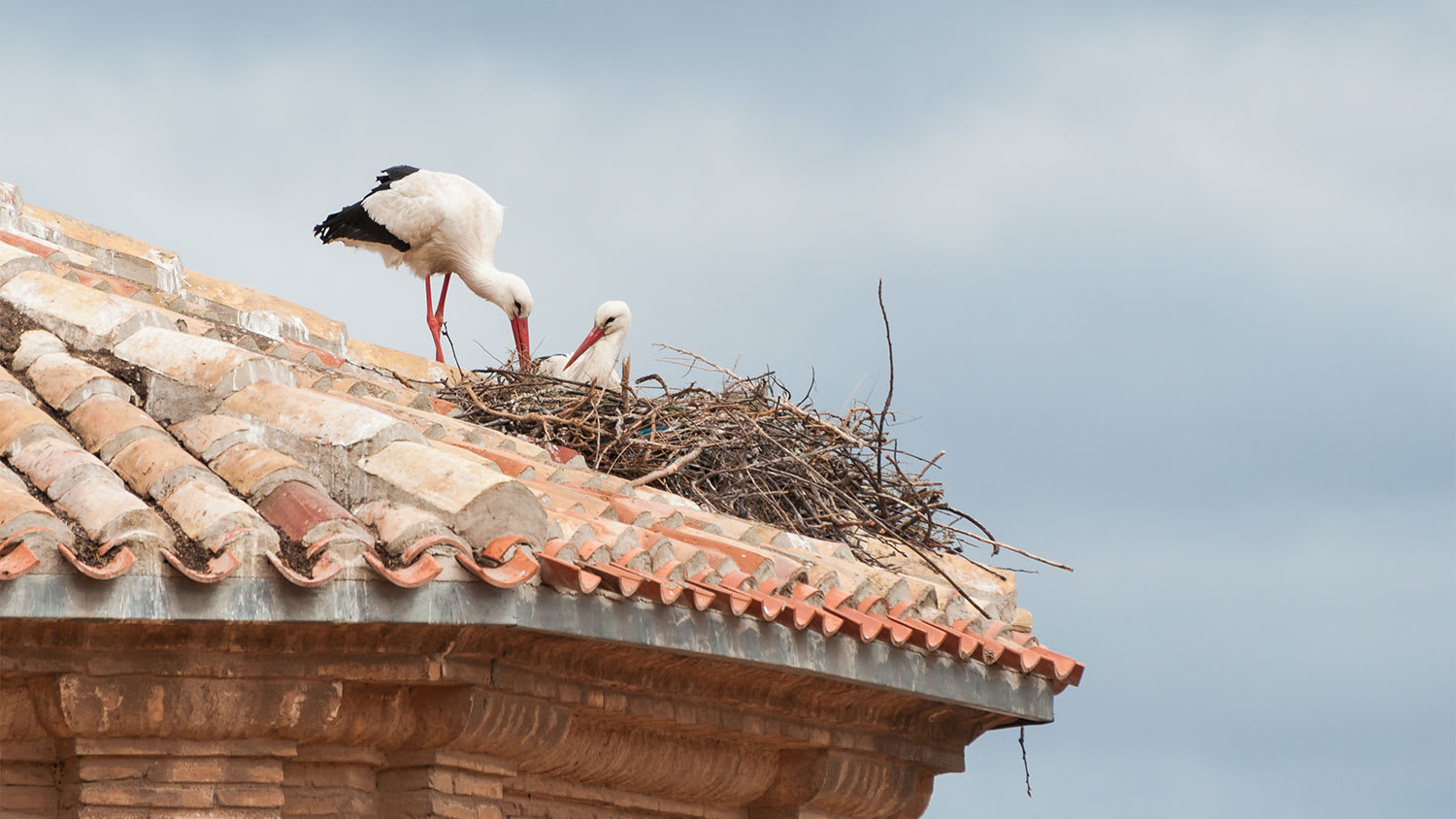
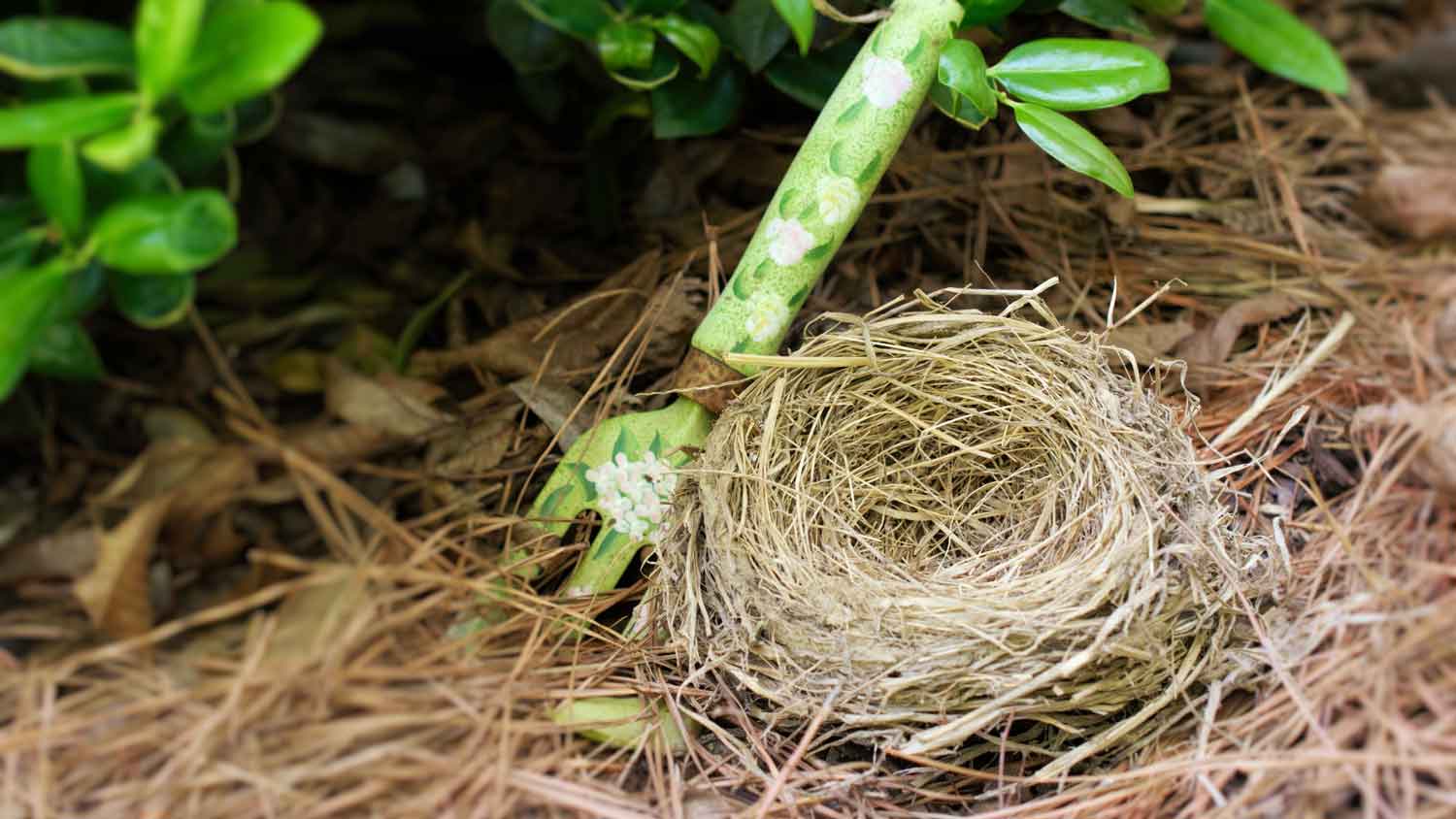
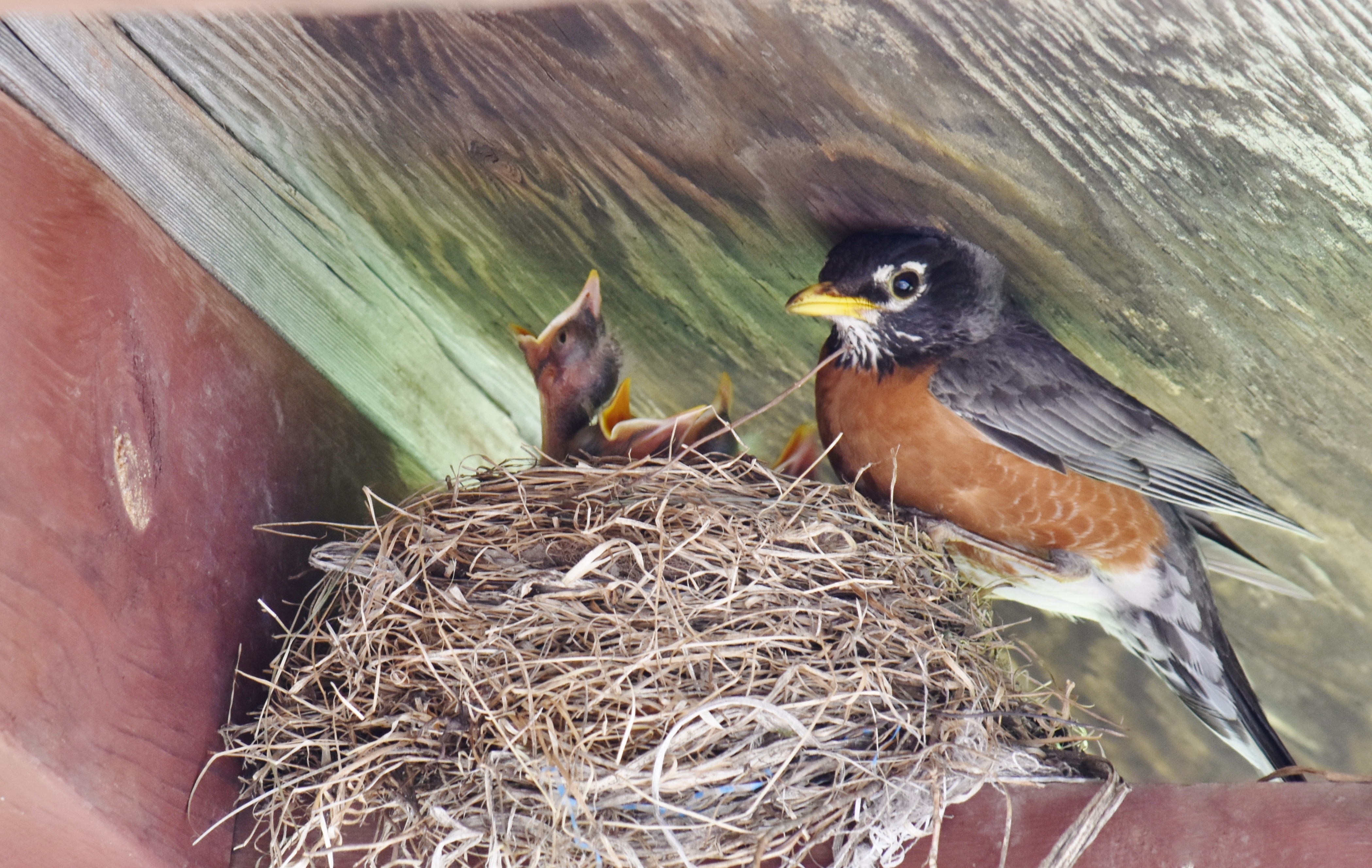
The lifespan of a bird's nest depends on the species. The building process can take from two days to three weeks. Once built, the nesting period for baby birds can last from two to ten weeks before they leave the nest. While most young birds are ready in two to six weeks, some predatory species may need up to two and a half months. Some species nest four to five times per year, so a nest could remain in use for several months. For specific information about a particular nest's longevity, it is best to consult a wildlife professional.

In most cases, a mother bird will return to a disturbed nest after the disturbance has passed. However, it can be hard for a mother bird to find a relocated nest. So, while it’s false that a mother bird will abandon her nest if it’s been disturbed, it’s not a good idea to relocate a nest with live babies or eggs in it.

There are a few ways to keep pesky bugs away from your garden. One option you have is to plant flowers so beneficial insects like ladybugs can control pests for you. A similar method is companion planting, which means you’ll grow vegetables that’ll discourage pests, like garlic, onions, and basil. The best pest prevention method will depend on the bugs you have issues with and the plants in your garden. 

Once the animals and their young are out of the house, remove the nest and locate any entry points. Some may be difficult to find because some animals can fit through very small holes. Once you’ve located as many entry points as possible, use materials such as metal or masonry to block off the entry. Ideally, you should choose materials that most animals cannot chew through. Create a one-way door or flap to allow animals to leave but not return. Additional methods include using repellants designed to make an area unappealing to the types of animals that find your home so inviting. 

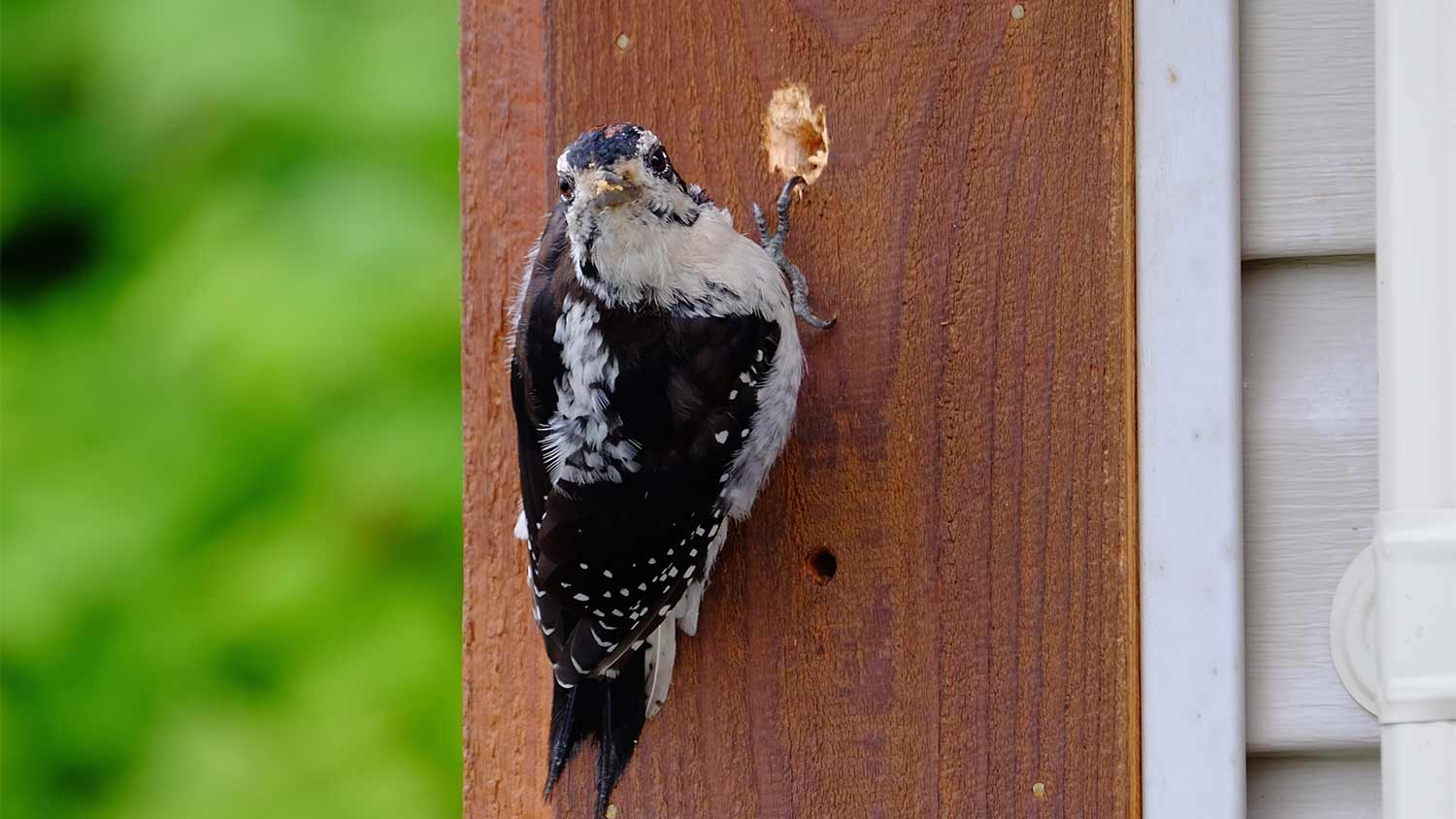
When woodpeckers start banging on your walls or roof, they are probably looking for insects to eat, storing nuts for winter, drilling a hole to make a nest, or communicating with other birds to establish territory or find a mate.

The size of the hole can help determine the reason for the pecking. Small irregular holes are a result of insect hunts. Acorn holes are more consistently sized and often fitted with a nut in the middle. Nest holes are large and have rounded edges. If the bird is pecking to mark its territory or attract a mate, it may leave dents rather than holes, and the noise will stop when the mating season starts in spring.

The Litchfield, ME homeowners’ guide to bird control services

From average costs to expert advice, get all the answers you need to get your job done.