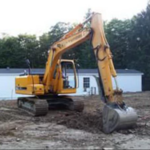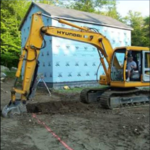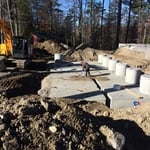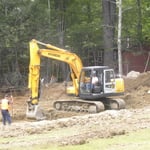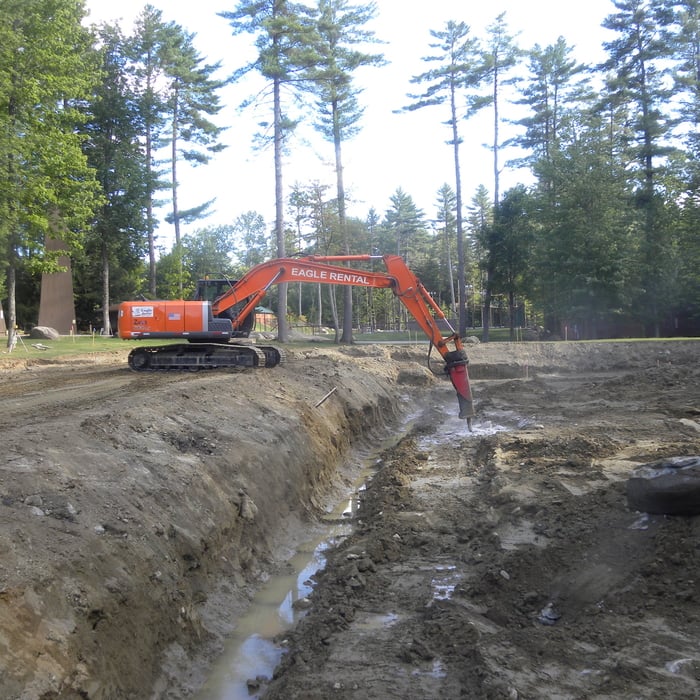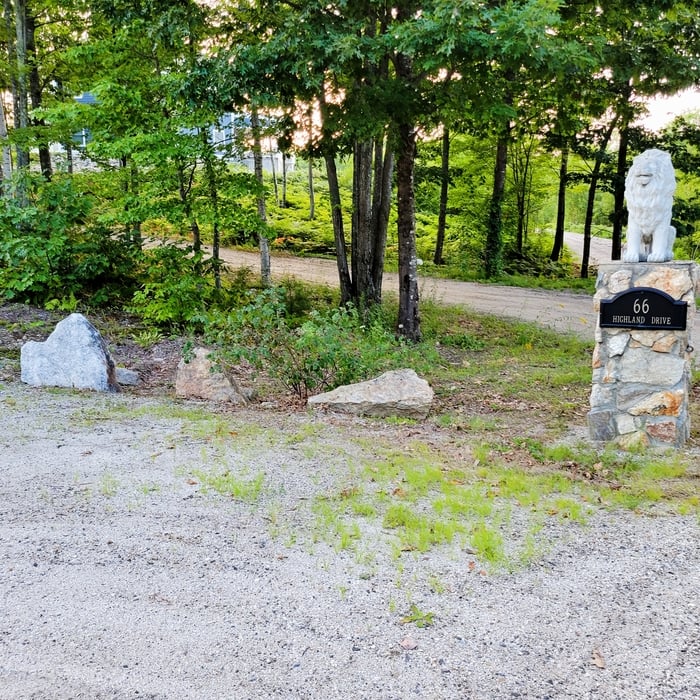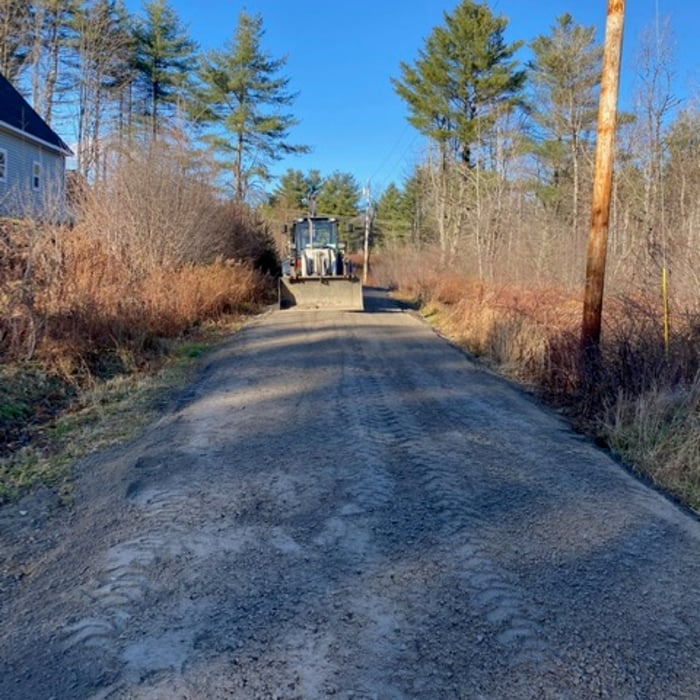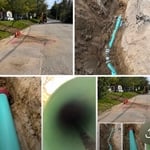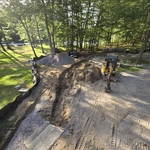




"They did a great job on multiple area project that included excavation, grading, drainage and septic tank installation. Rick, Brad and Allen were all professional, friendly and real pleasure to work with. Rick was able to perform very precise operations with the excavator and ensured everything was cleaned up and looking good before they left. Would recommend them to anyone in their service area and would consider them for any projects of my own in the future."
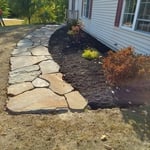
"This is a terrific landscaping company. Work included removal of huge ice-damaged shrub, transplanting of an 8-foot tall Burning Bush, total refurbishing of two flower beds and construction of flower bed wood boxes and installation of a split-rail fence. All well-done. Great job with cleanup and disposal of removed shrubs. Bob and his team are very knowledgeable, skilled and easy to work with. They accomplished the Burning Bush transplantation when I wondered if or how it could be done. A top-notch outfit."
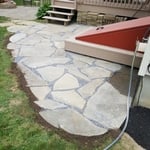
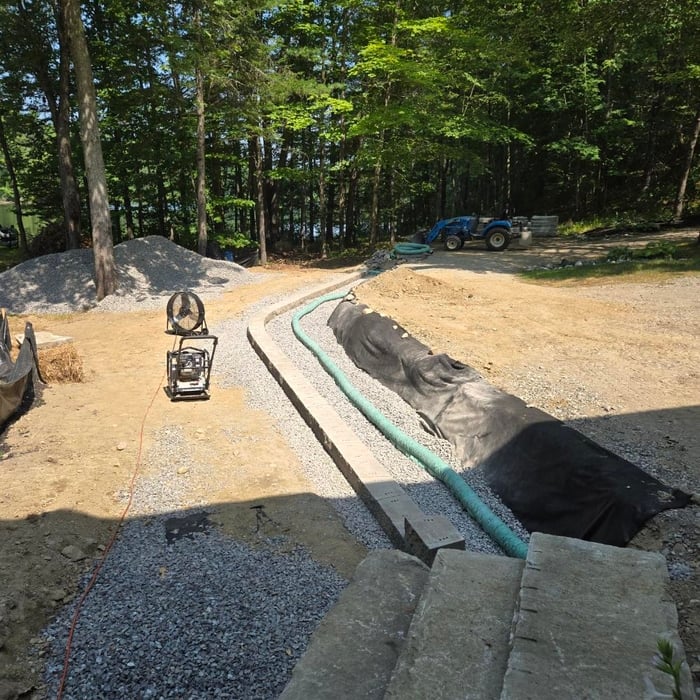
"Jeff and his crew did a fantastic job installing a walking path with granite steps to our dock. It’s on very steep terrain and had difficult access. Multiple other contractors passed on the job because of the challenges. Jeff worked two weeks straight and got the job done on time and on budget. Very happy and would absolutely recommend him."
"Bart Flanagan Tree Service did exactly what I wanted. The trees were trimmed and the cuttings were well cleaned up. I would hire them again for any other tree work."
"These guys were straight forward on the job they would do and with the price there was no surprises. I would highly recommend there services. Ramsey and Joey are professional and personable. 5 star company."
"Hired to help my 100 year old Mom tame her flowerbeds and the overgrowth encroaching on her lawn. They did a fantastic job! The yard hasn't looked that good in over a decade."
We are a family-oriented veteran owned and operated company with years of experience in hazardous tree removal, pruning, land clearing and excavation. Our sole purpose at this company is to provide you with the very best and professional experience without sacrificing quality in our craft. We are currently available to provide free quotes and complete jobs throughout the State of Maine. We look forward to hearing from you!
Were a locally owned and operated company with over 22 years of industry experience. We value honesty and integrity in all aspects of our business. We offer a variety of Home Improvement services that are customizable to each individual project. We specialize in handyman/carpentry work and a variety of related service and repair projects. We pride ourselves on the quality of our work as well as our commitment to outstanding results. We look forward to building lasting relationships with our clients and guarantee your satisfaction!\n
There are several methods to hollow out a tree stump, and the best one depends on your tools, experience, and priorities. Common methods include using a chisel and hammer, a chainsaw, or burning.
Chisel and Hammer: This is often considered the easiest approach for those with limited tools or experience, though it is the most time-consuming.
Chainsaw: Using a chainsaw is the fastest method, but it comes with significant safety risks, especially for inexperienced users.
Burning: This can be an effective method, but it is not recommended unless you can first drill holes into the stump. Without holes, the stump will be difficult to light and may not burn completely through.
A power drill with at least a ⅜-inch diameter bit can make the job quicker and easier, regardless of the primary method. While you can use a chisel or chainsaw without a drill, it will require more time and effort. Always wear protective goggles and thick gloves, as splinters are an inevitable risk.
Most residential basements are 8 to 10 feet deep. You can dig deeper depending on building codes, but it does become more difficult. You’ll likely need to install stronger foundation walls and additional supports to handle the increased load. Depending on the water table, you may also need a water management system. Clay soil can support a deeper foundation than sandy soil. A structural engineer will be able to tell you the maximum, feasible depth.
There is no standard depth for burying a septic tank; they are typically buried anywhere from 4 inches to 4 feet underground. The final depth depends on several factors, including the depth of your main sewer line, the height of the bedrock, soil type, local regulations, and the property's landscape. If you plan to grow grass or plants over the tank, a depth of at least 4 to 6 inches is recommended. Deeper tanks can be more difficult to locate, but a septic professional can help find it for you.
Sewer lines can be buried anywhere from 18 inches to 8 feet deep, with a common average depth between 18 and 30 inches. The exact depth depends on local factors like climate and soil type. In colder regions, pipes must be buried deeper (below the frost line) to prevent freezing, sometimes as deep as 8 feet. The digging depth can also impact the cost of sewer line replacement. To find the specific depth for your property, you can check the building plans for your system, which should be on file with your city or local sanitation department since permits are required for installation.
Most states do not require excavation companies to hold specific licenses, but many require at least a contractor’s license. Additionally, heavy equipment operators require a special commercial equipment license to operate machinery required for excavation. You can use Angi’s contractor licensing tool to confirm that an excavation company you’re considering hiring is fully licensed. You should also make sure that the excavation team is fully insured before allowing them to work on your property.
The Livermore, ME homeowners’ guide to excavation services
From average costs to expert advice, get all the answers you need to get your job done.
Excavation costs $1,500 to $6,300 for most residential projects—but it depends on factors like the size of the area. This guide will help you plan a budget.
You can't have an in-ground pool without digging into the ground. How much does pool excavation cost, and can you take it on yourself? Our guide explains.