




Top-rated excavation pros.

Best excavation pros near Manchester, ME

Enter your zip and get matched with up to 5 pros

Need a pro for your excavation project in Manchester, ME?

Select your specific project to find the pro for you.

TRUSTED BY MANCHESTER, ME HOMEOWNERS

  • Average homeowner rating star icon4.9
    Average homeowner rating
  • Verified reviews icon14
    Verified excavation services reviews

Top-Rated Excavation pros in Manchester - Updated Nov 2026

Avatar for Forrest Excavation
Forrest Excavation
5.0(
34
)
Building Site - Preparation and ClearingExcavation - Major Grading or ReslopingExcavation - Major Grading or Resloping - For Business+1 more

Serving Manchester, ME and surrounding areas

Approved

In business since 1995

Free estimates

Customers say: Quick response

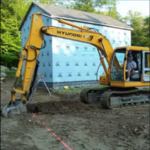
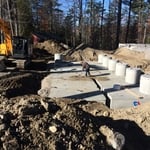
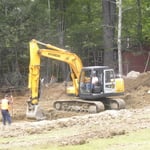
"They did a great job on multiple area project that included excavation, grading, drainage and septic tank installation. Rick, Brad and Allen were all professional, friendly and real pleasure to work with. Rick was able to perform very precise operations with the excavator and ensured everything was cleaned up and looking good before they left. Would recommend them to anyone in their service area and would consider them for any projects of my own in the future."
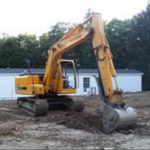
Our Work
Our Work
Our Work
Our Work
Our Work

+32

Response time9 hrs
5 neighbors recently requested a quote
Recommended by100%of homeowners

Avatar for Moore's Excavation
Moore's Excavation
5.0(
13
)
Excavation - Major Grading or ReslopingLandscape - Minor Grading or ReslopingBuilding Site - Preparation and Clearing

Serving Manchester, ME and surrounding areas

Approved

In business since 2022

Free estimates

Credit card accepted

"Jeff and his crew did a fantastic job installing a walking path with granite steps to our dock. It’s on very steep terrain and had difficult access. Multiple other contractors passed on the job because of the challenges. Jeff worked two weeks straight and got the job done on time and on budget. Very happy and would absolutely recommend him."
11 neighbors recently requested a quote
Recommended by58%of homeowners
Bob Lemieux Landscaping, Inc.
4.9(
29
)
Landscape - Minor Grading or Resloping

Serving Manchester, ME and surrounding areas

Approved

In business since 1985

Free estimates

Warranties offered

"This is a terrific landscaping company. Work included removal of huge ice-damaged shrub, transplanting of an 8-foot tall Burning Bush, total refurbishing of two flower beds and construction of flower bed wood boxes and installation of a split-rail fence. All well-done. Great job with cleanup and disposal of removed shrubs. Bob and his team are very knowledgeable, skilled and easy to work with. They accomplished the Burning Bush transplantation when I wondered if or how it could be done. A top-notch outfit."
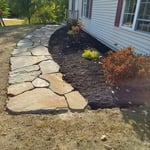
Bulkhead area Clean Up
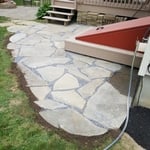
Stand Up Flagging Walkway
Driveway Entrance
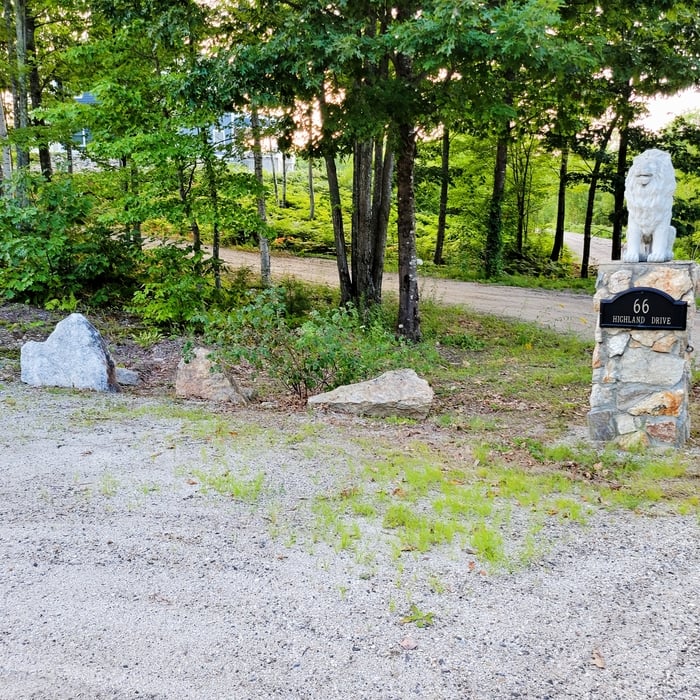
Majestic Driveway Entrance

+82

Response time1 day
7 neighbors recently requested a quote
Recommended by96%of homeowners
Avatar for JGendron Paving & Excavation
JGendron Paving & Excavation
5.0(
11
)
Excavation - Major Grading or ReslopingLandscape - Minor Grading or ReslopingBuilding Site - Preparation and Clearing

Serving Manchester, ME and surrounding areas

Approved

"Excellent job by John and Jacob! They responded so quickly and actually completely the job on the same day of the initial contact. They were professional and very thorough. Everything was completed in less than two hours. We could not be more pleased and would highly recommend them to anyone looking to seal coat their driveway."
19 neighbors recently requested a quote
...
Showing 1-10 of 117
Excavating FAQs, answered by experts

There are several methods to hollow out a tree stump, and the best one depends on your tools, experience, and priorities. Common methods include using a chisel and hammer, a chainsaw, or burning.

  • Chisel and Hammer: This is often considered the easiest approach for those with limited tools or experience, though it is the most time-consuming.

  • Chainsaw: Using a chainsaw is the fastest method, but it comes with significant safety risks, especially for inexperienced users.

  • Burning: This can be an effective method, but it is not recommended unless you can first drill holes into the stump. Without holes, the stump will be difficult to light and may not burn completely through.

A power drill with at least a ⅜-inch diameter bit can make the job quicker and easier, regardless of the primary method. While you can use a chisel or chainsaw without a drill, it will require more time and effort. Always wear protective goggles and thick gloves, as splinters are an inevitable risk.

Because decomposed granite is a durable material, a crushed rock or gravel base is optional as long as the DG is properly installed and compacted. However, installing a base is a good idea because it will ensure proper drainage and stability and act as a weed suppressant (although you may still occasionally have to pull weeds). Installing an adequate base can also increase the durability of driveways and walkways. If you forego the paver base or gravel underneath, line the area with landscaping fabric to avoid weeds.

The rules for trenching and excavation include setting up and following safety protocols, learning how to use tools and machines properly, and ensuring there is a safe exit for all workers. Keep heavy equipment and materials away from the edge of the hole or trench. Call the 811 dig line before starting any excavation or trenching project to ensure you don’t hit any electrical or gas lines.

To locate an underground downspout, you should start by identifying where the above ground gutter drains. Look for an entry point, such as a pipe or elbow leading into the ground. Follow the surface path for signs like depressions, landscaping disruptions, or wet areas after rain. You can use a metal detector or plumber’s snake to trace the pipe underground. For deeper pipes, a professional locator tool or camera inspection may be necessary. Visual markers or utility maps can also guide the search.

In the United States, a depth of 36 inches (three feet) for underground water lines is the accepted industry standard. This depth varies from location to location based on local conditions. In areas with colder winters, they may be buried deeper to prevent frozen well water pipes : This is usually at least six inches below the frost level. The International Plumbing Code calls for a minimum of 12 inches below grade.

The Manchester, ME homeowners’ guide to excavation services

From average costs to expert advice, get all the answers you need to get your job done.