




Top-rated excavation pros.

Get matched with top excavation pros in Turner, ME

Enter your zip and get matched with up to 5 pros

Need a pro for your excavation project in Turner, ME?

Select your specific project to find the pro for you.

TRUSTED BY TURNER, ME HOMEOWNERS

  • Average homeowner rating star icon5
    Average homeowner rating
  • Verified reviews icon14
    Verified excavation services reviews

Find Excavation pros in Turner

Avatar for Forrest Excavation
Forrest Excavation
5.0(
34
)
Building Site - Preparation and ClearingExcavation - Major Grading or ReslopingLandscape - Minor Grading or Resloping+1 more

Serving Turner, ME and surrounding areas

Approved

In business since 1995

Free estimates

Customers say: Quick response

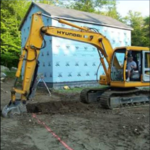
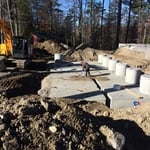
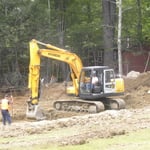
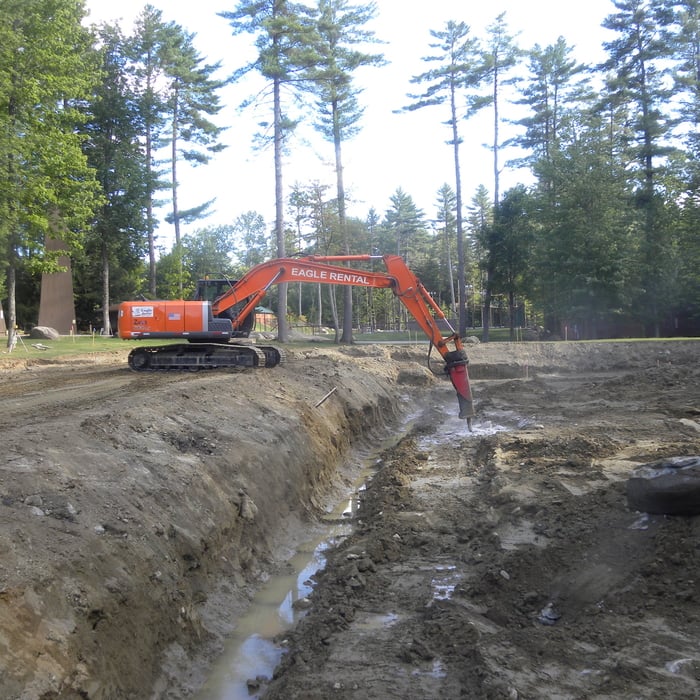
"They did a great job on multiple area project that included excavation, grading, drainage and septic tank installation. Rick, Brad and Allen were all professional, friendly and real pleasure to work with. Rick was able to perform very precise operations with the excavator and ensured everything was cleaned up and looking good before they left. Would recommend them to anyone in their service area and would consider them for any projects of my own in the future."
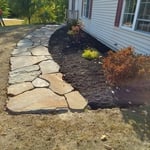
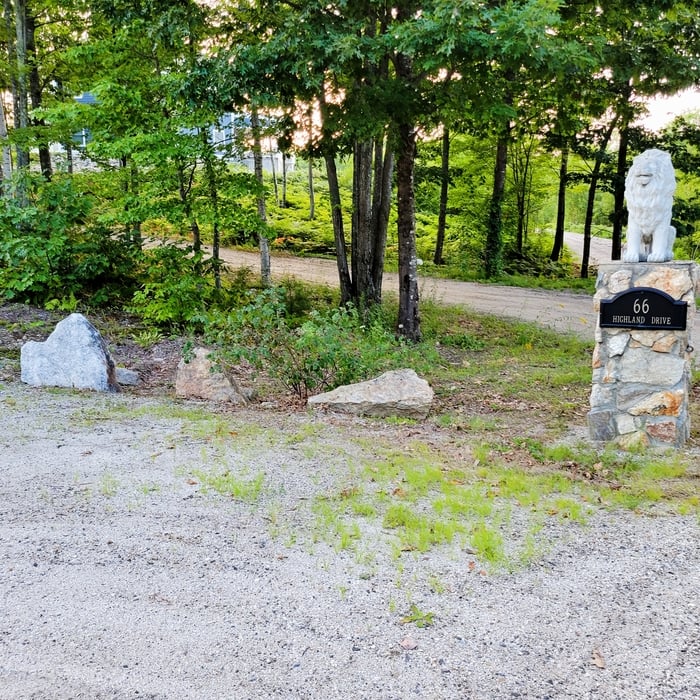
Our Work
Our Work
Our Work
Our Work
Our Work

+32

Response time9 hrs
8 neighbors recently requested a quote
Recommended by100%of homeowners
...
Showing 1-10 of 119
Excavating questions, answered by experts

Sewer lines can be buried anywhere from 18 inches to 8 feet deep, with a common average depth between 18 and 30 inches. The exact depth depends on local factors like climate and soil type. In colder regions, pipes must be buried deeper (below the frost line) to prevent freezing, sometimes as deep as 8 feet. The digging depth can also impact the cost of sewer line replacement. To find the specific depth for your property, you can check the building plans for your system, which should be on file with your city or local sanitation department since permits are required for installation.

Most residential basements are 8 to 10 feet deep. You can dig deeper depending on building codes, but it does become more difficult. You’ll likely need to install stronger foundation walls and additional supports to handle the increased load. Depending on the water table, you may also need a water management system. Clay soil can support a deeper foundation than sandy soil. A structural engineer will be able to tell you the maximum, feasible depth.

Excavation is priced in cubic yards, so you’ll need to find the volume of the area in order to calculate costs. Multiply the length, width, and proposed depth of your excavation site, then convert it into yards to get the volume. Multiply this figure by the price per cubic yard.

Most homeowners can measure by hand to get a rough estimate, even if it’s tedious. You may want to pull out a tape measure or use a string to help mark the area.

Prior to excavation, you should prepare the dig site and call 311 before you sign anything.

To get your site ready for excavation, you should move anything in the area that isn’t affixed to the land. You can save money on the excavation by removing hardscaping, including walkways, decks, concrete patios, and paver patios.

Before you carry out any digging, you should call 311 to confirm that there are no utility lines running through your excavation site. Skipping this step could lead to severe injury and property damage if your excavator hits a water, sewage, or gas line.

While general contractors sometimes handle demolition, you can also look specifically for local demolition contractors. Demolition experts need to understand structural integrity, the equipment needed for safe demolition, and the permits required for demolition.

The Turner, ME homeowners’ guide to excavation services

From average costs to expert advice, get all the answers you need to get your job done.