

Top-rated radon detection and reduction specialists.

Best radon detection and reduction specialists near Littleton, ME

Enter your zip and get matched with up to 5 pros

Need a pro for your radon detection and reduction project in Littleton, ME?

Select your specific project to find the pro for you.

Top-Rated Radon detection and reduction specialists in Littleton - Updated Nov 2026

Avatar for Rhino Radon Services
Rhino Radon Services
4.2(
9
)
Radon Gas - AbatementRadon Gas - Testing

Serving Littleton, ME and surrounding areas

In business since 2014

Free estimates

Emergency services offered

"I have worked with many contractors,plumbers,electricians, etc. in my time owning two homes. On here in New England and the other in Pembroke Pines,FL. These gentlemen from rhino radon services were deffinelty personable and proffesional I felt like my home was in good hands with this company. After calling around and having a job scheduled with another mitigation company I was blown off and left with a short deadline. Luckily after speaking with Henri from rhino radon they were able to squeeze me right in your schedule the very next day even though they had two other jobs scheduled they showed up at 5pm and still completed the job to ensure I met my closing date, if your looking for a standout and accommodating radon company I would say look no farther then rhino radon. I was very pleased with the service I recieved. HIGHLY RECOMMENDED


"
Recommended by100%of homeowners
Radon Detection and Reduction FAQs, answered by experts

No level of radon is technically safe, but since it is naturally present everywhere, it is impossible to avoid entirely. The average radon level in homes across the United States is 1.3 picocuries per liter (pCi/L). The Environmental Protection Agency (EPA) recommends taking action to reduce radon levels if your home's test results are between 2 and 4 pCi/L or higher.

Options include sub-slab depressurization, crawlspace ventilation, and sealing cracks. Choose based on home construction and radon levels.

The natural breakdown of uranium in soil, rock, and water can cause radon to appear in a home. The gas seeps into homes through cracks in foundations, walls, or floors, as well as through gaps around pipes or construction joints. Radon levels are influenced by soil composition, building materials, and ventilation. Poorly sealed or airtight homes can trap radon, allowing it to accumulate.

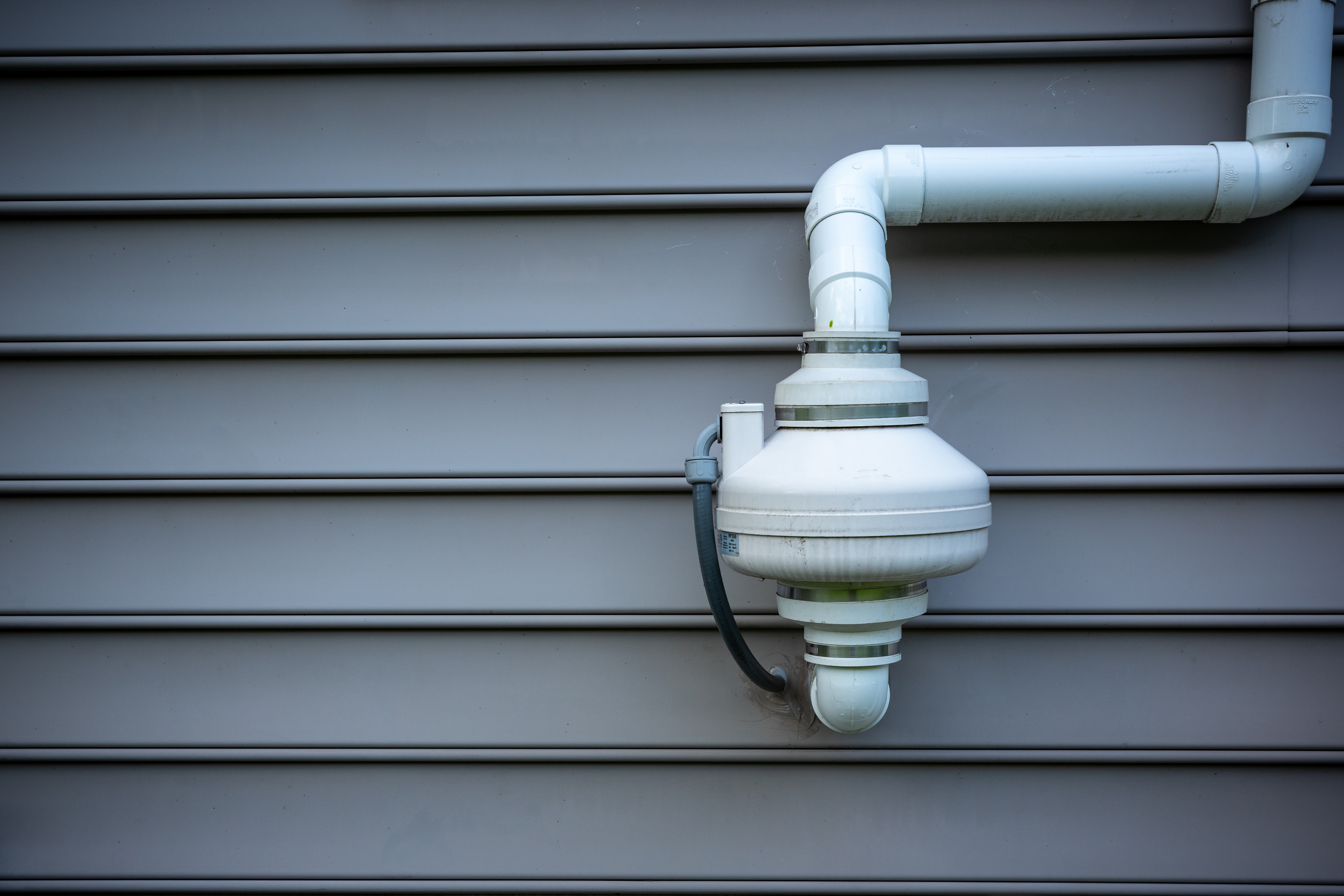
The cost to replace a radon fan ranges from $300 to $600 for the fan itself, with installation adding an additional $200 to $500. Overall, the total cost for replacement can range from $500 to $1,100, depending on factors such as the fan model, home size, and local labor rates. If the fan is part of a larger radon mitigation system, the price may be higher.

The average radon mitigation system uses about 876 kWh of electricity per year, although the exact amount of electricity used will vary depending on the size of the radon fan. Once the system is installed, the annual increase to your energy bill could range from $30 to $300 per year, again depending on the size of the fan.

The Littleton, ME homeowners’ guide to radon detection and reduction services

From average costs to expert advice, get all the answers you need to get your job done.