

Top-rated radon detection and reduction specialists.

Best radon detection and reduction specialists near West Enfield, ME

Enter your zip and get matched with up to 5 pros

Need a pro for your radon detection and reduction project in West Enfield, ME?

Select your specific project to find the pro for you.

Top-Rated Radon detection and reduction specialists in West Enfield - Updated Nov 2026

Avatar for Rhino Radon Services
Rhino Radon Services
4.2(
9
)
Radon Gas - AbatementRadon Gas - Testing

Serving West Enfield, ME and surrounding areas

In business since 2014

Free estimates

Emergency services offered

"He was on time, arrived at 9am as quoted and began to install the system. The system required two suction points and a sump pit cover. The sump pit originally had a pedestal pump in place and none of the other radon companies would change the pedestal pump to a submersible pump as required for the mitigation system to function properly. Rhino Radon not only changed the pump but installed a back flow check valve to ensure proper functioning of the system. All of the other companies said we would have to employ a plumber or a handy man to get this done. Had we gone that route the closing would not have happened. Rhino Radon gladly did all the work required and didn't even break for lunch!!! He was more concerned with getting us out of the vacant house seeing we are already down the cape. The system that involved a crawl space and being vented through the garage roof was completed immaculately and the test results came back at 0.5 pCil/L. This pleased the lender and buyer and exceeded our expectations. We highly recommend Rhino Radon Services.
"
Recommended by100%of homeowners
Radon Detection and Reduction FAQs, answered by experts

Radon is the number one non-smoking cause of lung cancer in the United States, but it can cause some other concerning side effects in the meantime. If you have a raspy voice, chest pains, trouble breathing, difficulty swallowing, or any of the above, don’t hesitate to perform radon testing and install a mitigation system as soon as possible.

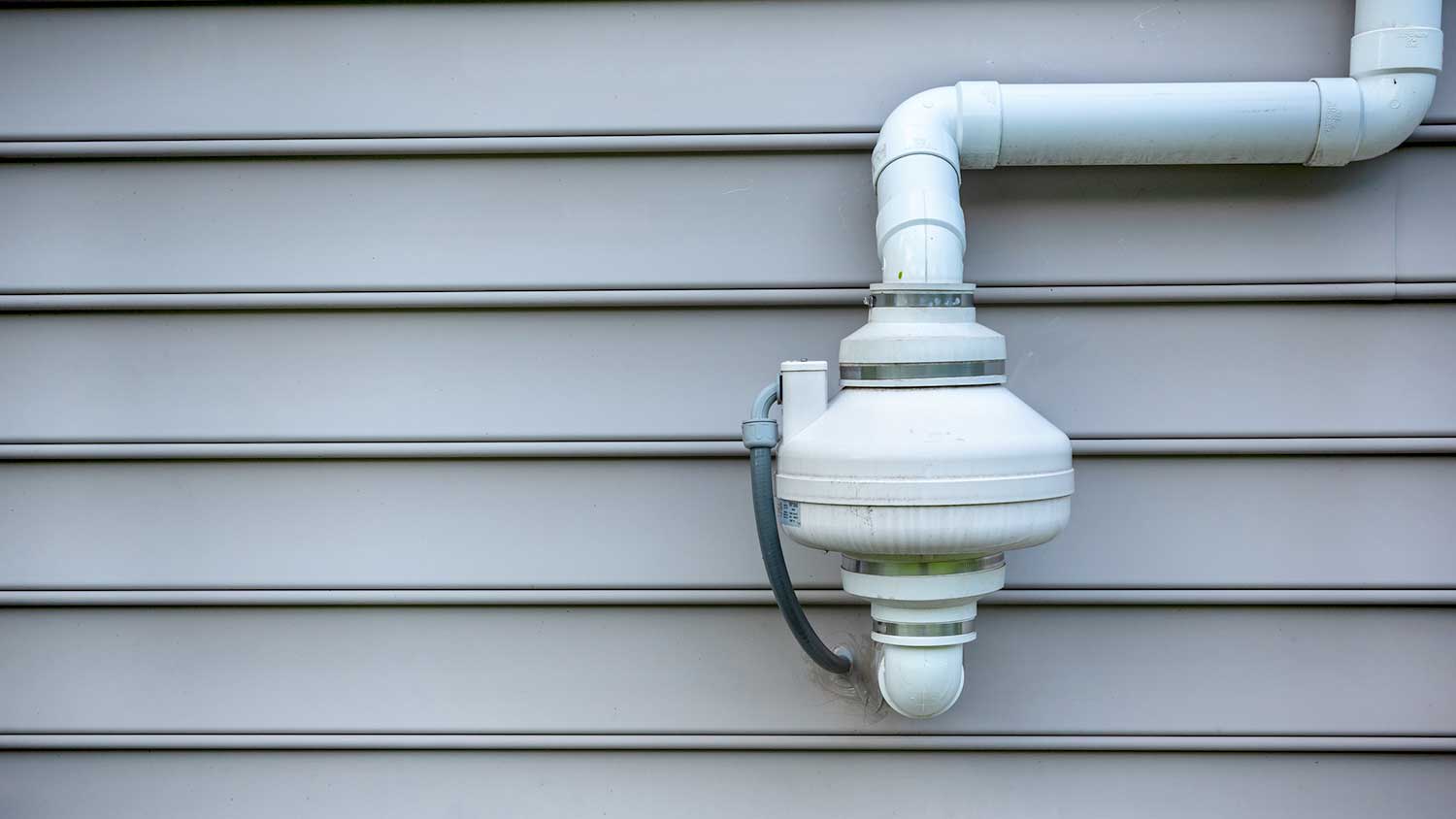
The fan that pulls the radon out of the air needs to run continuously, so you may see an increase in your electric bill once you install the mitigation system. Additionally, you may see an increase in your heating or cooling bills, as the fan can cause some loss of hot or cool air.

No level of radon is technically safe, but since it is present everywhere, complete avoidance is impossible. The average radon level in homes across the United States is 1.3 picocuries per liter (pCi/L). The Environmental Protection Agency (EPA) recommends taking preventative measures if your home's radon levels are between 2 and 4 pCi/L or higher.

Installing a mitigation system reduces radon levels, which can cause lung cancer, providing peace of mind and long-term health benefits. It can also increase your home’s value, as many buyers prefer properties with radon safety measures in place. The investment is relatively low compared to the potential health risks associated with prolonged radon exposure.

You'll need to test your home for radon after installing the mitigation system, then again every two years. If radon remains elevated, contact a licensed radon professional, either the contractor who installed the system or a different one, and have them evaluate the system. They may need to make some changes to improve its effectiveness and performance.

The West Enfield, ME homeowners’ guide to radon detection and reduction services

From average costs to expert advice, get all the answers you need to get your job done.