New England Home Renovations LLC
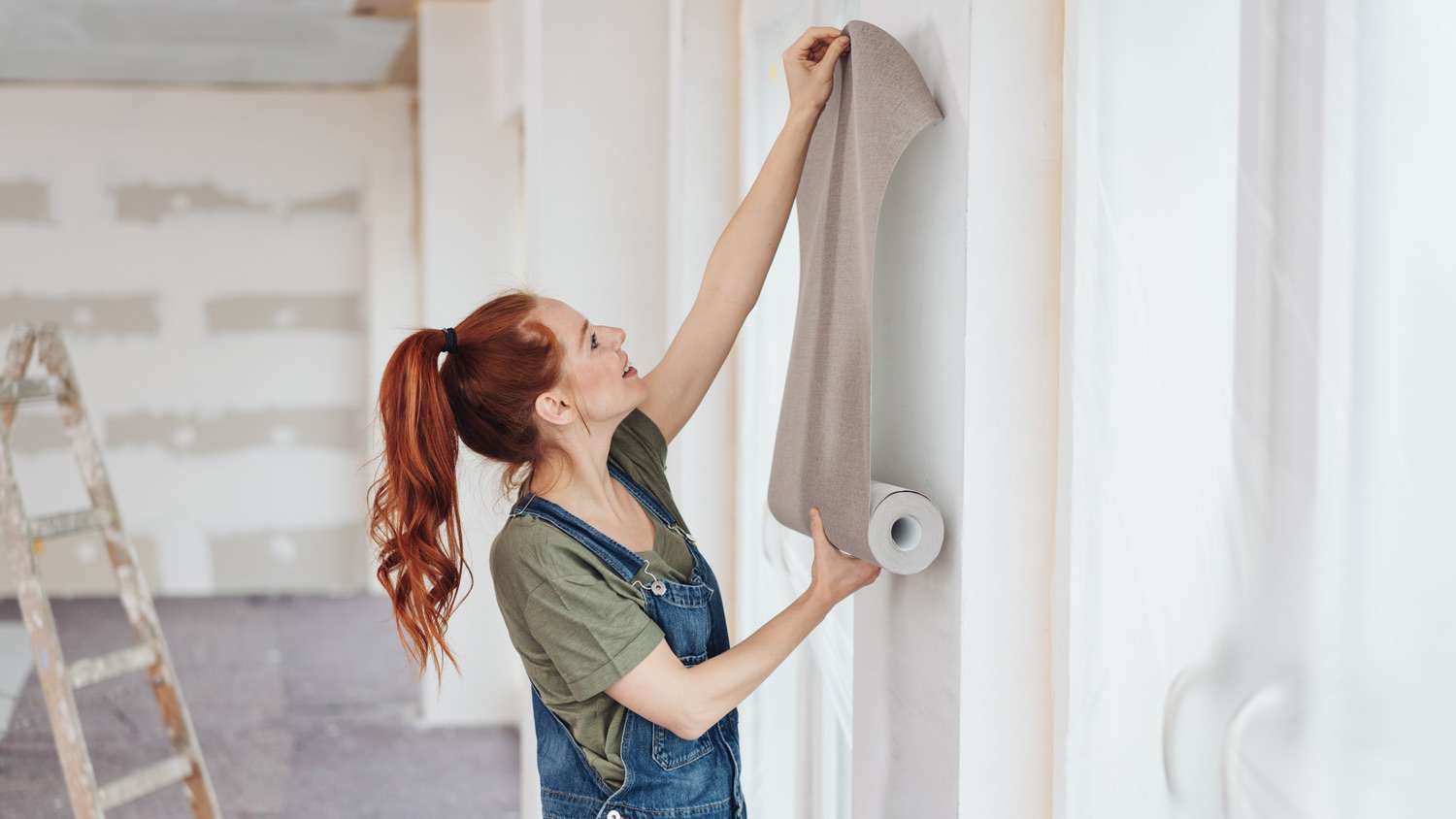
Wallcovering or Wallpaper - InstallWallcovering or Wallpaper - RemovalWallcovering or Wallpaper - Repair
Serving Jackman, ME and surrounding areas
In business since 1983
Free estimates
Emergency services offered
"Richard Froais and his very capable crew saved us from a possible disaster. What started as a simple crack in the ceiling quickly turned into a major construction project after we discovered mold inside our ceiling and walls. Richard helped us determine the problem (a water leak inside the walls) and worked with us to formulate a practical, affordable plan to fix it. We have an old house, so while the crew was taking down the ceiling, they discovered we had four layers of wallboard and plaster that had to come down. They demolished one wall as well. Richard identified the source of the mold inside the ceiling and eliminated it at the source. During this process we discovered that we had to replace all the plumbing in our upstairs bathroom (the original source of the problem) - Richard figured out how to do this without taking apart our bathroom (thus saving tons of time and money) and now my plumbing is up to code and my drains work like a dream. To make matters worse, we discovered old wiring just dangling in the walls - a clear fire hazard (we are lucky the house never burnt down) Richard had his team replace it and brought the whole room (along with the house breaker box) up to code. The walls and ceiling went back together, the room was painted, wallpapered and, at the last minute, Richard was able to get his floor guys to re-do the oak floors. All of this was done in less than 5 weeks so we were able to hold our annual Thanksgiving open house, just like always! During the job, Richard and his crew were professional, conscientious and helpful. They were very respectful and careful of our property. They cleaned up after themselves, were always polite and worked with us every step of the way. We felt the price for the job was more than fair, communication was consistent and professional and all our questions were answered quickly and completely. We highly recommend NE Renovations to anyone with construction needs and we will absolutely use them again when we need any home improvement work in the future."
+37
Recommended by89%of homeowners