"Everything went wonderfully with this company. They were very professional, listened to exactly what my problem was, and explained to me how they were going to diagnose the problem and/or solve it before doing any actual work. Once they started, the team (three people came) worked together like a well-oiled machine. One was in the room with diagnostics, one was at the fuse box looking for possible problems there, and the third went into the crawlspace beneath our house to look at the physical wiring. Once the problem was found (there was a faulty wire beneath the house that had come loose from the junction box), it was fixed and tested within minutes and another full diagnostic was done to make sure there were no other possible issues. They cleaned up after themselves very neatly. They also replaced the light switch with a dimmer switch at no extra cost! Well within my budget, and came in even lower than their original (FREE) estimate! I would highly recommend this company to anyone in the Bergen County area. "
1st Advanced Painting Solutions has extensive experience and knowledge of interior & exterior painting. Our commitment is to delivery of quality work, responsiveness, and competitive pricing.
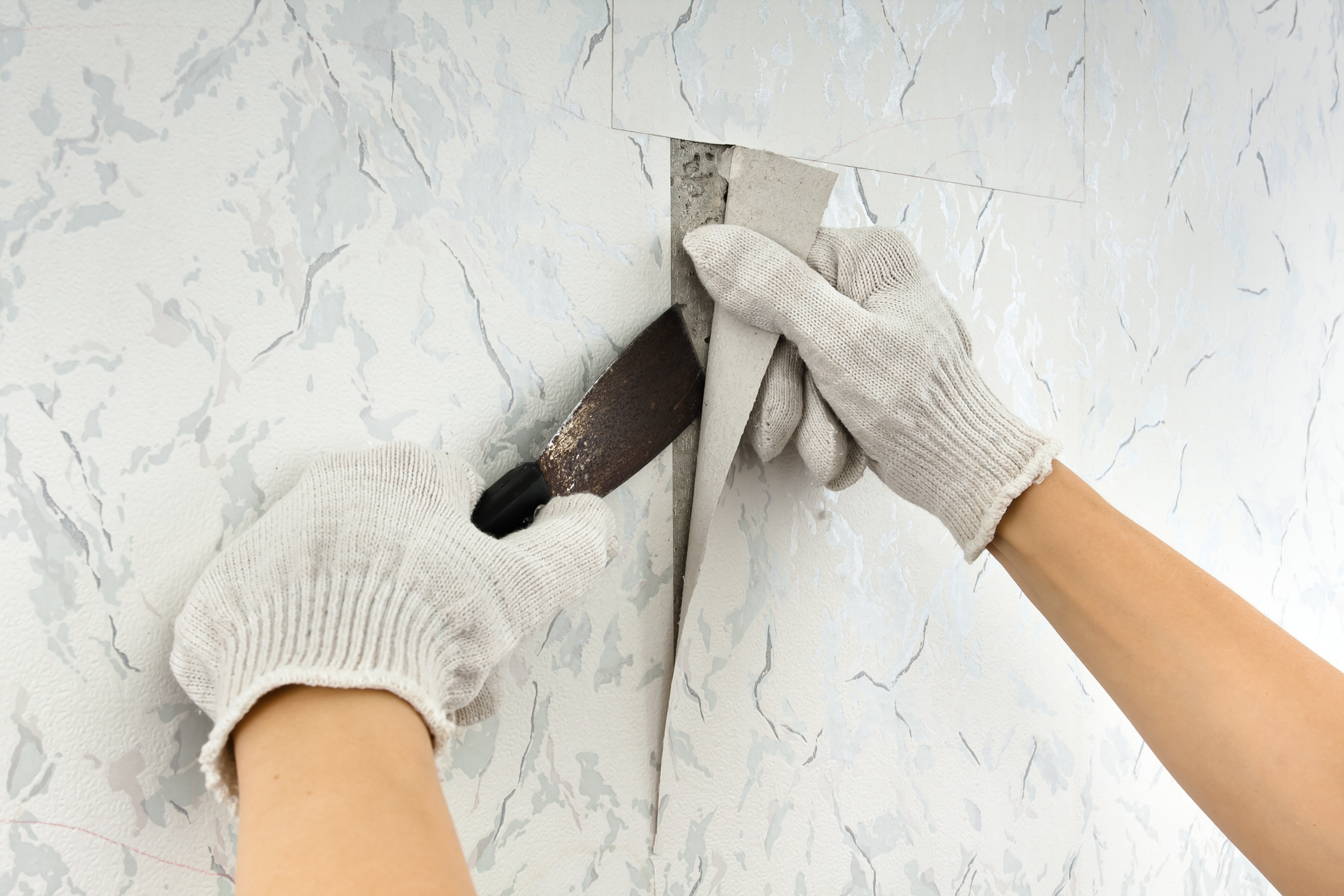
Removing a wallpaper border requires the same process to remove full walls of wallpaper. Clear the area, spray down the surface with your hot water and vinegar solution or store-bought spray, wait 10 to 15 minutes, then scrape it off with a putty knife. Sometimes, border wallpaper lifts easier than larger sheets, so you can just peel it right off the wall by hand.
As long as the surface you’re putting the tile on is properly prepped, peel-and-stick backsplashes should stay on and last anywhere from 3 to 5 years. The best way to ensure the tile stays on is to sand down and clean the wall before applying your design.
While you can remove wallpaper yourself, it is a labor-intensive process that risks damaging your walls. Common DIY methods include using a steamer to loosen the adhesive or spraying the paper with a solution of hot water and vinegar or dish soap before scraping. However, steamers can cause irreparable damage if used incorrectly, and the spray-and-scrape method can harm drywall if it gets too wet or you scrape too aggressively. For these reasons, hiring a professional is often the fastest, easiest, and safest option. A pro has the experience and specialized tools to remove wallpaper efficiently without damaging the underlying surface, which saves time and minimizes the prep work needed for your next wall treatment.
If you’re installing new wallpaper and have leftover glue, you can remove unused wallpaper paste from the bucket or pan it’s in by letting it dry. If it’s an oil-based paste, seal it in a plastic bag and throw it in the garbage. Otherwise, toss the leftover wallpaper paste in the trash. Although it’s water-soluble, don’t rinse unused wallpaper paste down the sink because it could dry in the pipes and cause a blockage.
To remove pre-pasted wallpaper, you’ll need to wet the wallpaper or steam it to loosen the paste on the back of the wallpaper. Spray the paper with water, then let it soak for 10 to 20 minutes. From there, you should be able to peel off the wallpaper. Then, you may need to follow up with a cleaning solution and a scraper to remove any remaining wallpaper paste on the walls.
The Jackman, ME homeowners’ guide to wallpaper removal services
From average costs to expert advice, get all the answers you need to get your job done.
Discover wallpaper installation cost. Learn about material, labor, and project factors to estimate your budget and make informed choices for your home.
Planning a room update? Learn about the wallpaper removal process, costs to expect, and how to find and hire the right local pro for a paint-ready finish.
Taking down wallpaper is a tedious and time-consuming job. Here are some tips on how to hire someone to remove wallpaper for you to make your life easier.