



Top-rated bird control service pros.

Get matched with top bird control service pros in Howland, ME

Enter your zip and get matched with up to 5 pros

Need a pro for your bird control service project in Howland, ME?

Select your specific project to find the pro for you.

Find Bird control service pros in Howland

Avatar for IPM Pest & Wildlife Services
IPM Pest & Wildlife Services
5.0(
17
)

Serving Howland, ME and surrounding areas

In business since 1998

Free estimates

Emergency services offered

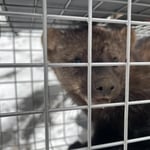
"Bob is a miracle worker. We tried everything we could think of to get rid of rats in our yard, including a visit from a well known national pest control company. Nothing worked. Bob came, worked his magic, and viola! - no more rats. He is pleasant, prompt, reasonable and gets the job done."
Fisher
Pest Control
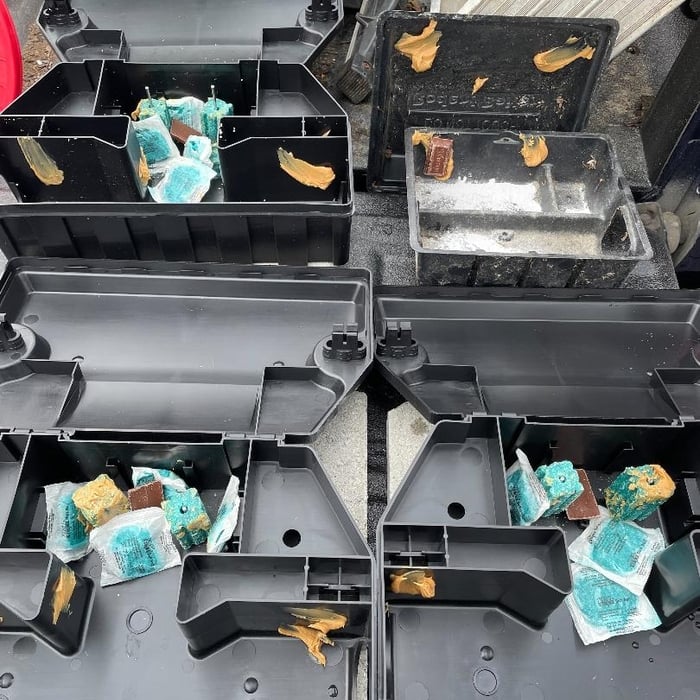
Rodent bait stations
Pest Control
Pest Control

+1

Response time5 hrs
Response rate100%
Recommended by100%of homeowners
Bird Control questions, answered by experts

Hawks might seem like fearless predators, but these smart birds do know what other animals to be cautious around. Hawks are naturally wary of humans and predators that see them or their eggs as a potential meal or threat. This list includes owls, crows, eagles, and even snakes or raccoons.

Yes, in some cases if your damper is left open, animals can come down your chimney. In these instances, it’s more likely that they have fallen in while looking for a safe spot rather than entered your house intentionally. Leaving your damper closed or installing a chimney cap can prevent animals from coming inside.

Most treatments take 1-3 hours, but severe infestations may require multiple visits.

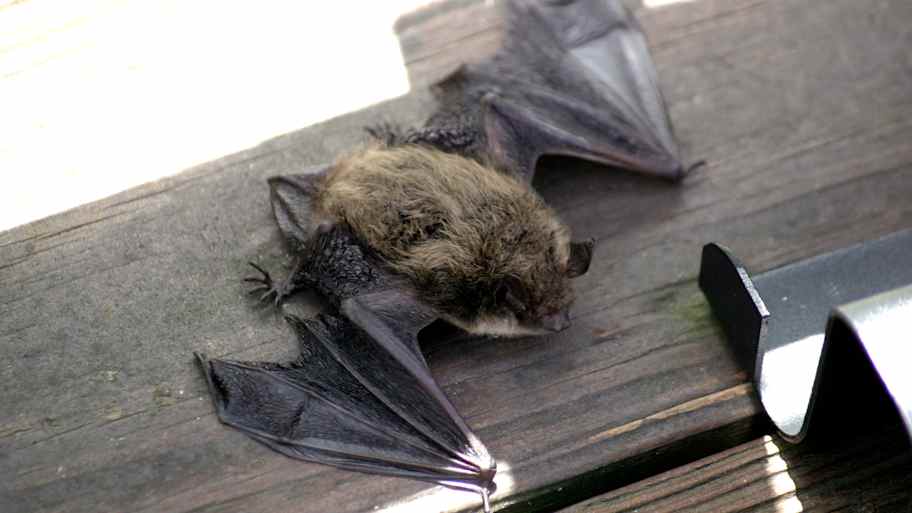
The best time of year to remove bats is autumn until spring. In fact, many states have restrictions on bat removal, mandating it to start sometime in August and go up until May. For some states, the removal period stops in March. Your pest control pro should know of any restrictions and can help you pick an optimal time for removal.

When woodpeckers start banging on your walls or roof, they are probably looking for insects to eat, storing nuts for winter, drilling a hole to make a nest, or communicating with other birds to establish territory or find a mate.

The size of the hole can help determine the reason for the pecking. Small irregular holes are a result of insect hunts. Acorn holes are more consistently sized and often fitted with a nut in the middle. Nest holes are large and have rounded edges. If the bird is pecking to mark its territory or attract a mate, it may leave dents rather than holes, and the noise will stop when the mating season starts in spring.

The Howland, ME homeowners’ guide to bird control services

From average costs to expert advice, get all the answers you need to get your job done.