


Top-rated bird control service pros.

Best bird control service pros near Dover Foxcroft, ME

Enter your zip and get matched with up to 5 pros

Need a pro for your bird control service project in Dover Foxcroft, ME?

Select your specific project to find the pro for you.

Top-Rated Bird control service pros in Dover Foxcroft - Updated Nov 2026

Avatar for IPM Pest & Wildlife Services
IPM Pest & Wildlife Services
5.0(
17
)
Pest Control - Birds and Bats

Serving Dover Foxcroft, ME and surrounding areas

In business since 1998

Free estimates

Emergency services offered

"Bob is a miracle worker. We tried everything we could think of to get rid of rats in our yard, including a visit from a well known national pest control company. Nothing worked. Bob came, worked his magic, and viola! - no more rats. He is pleasant, prompt, reasonable and gets the job done."
Fisher
Pest Control
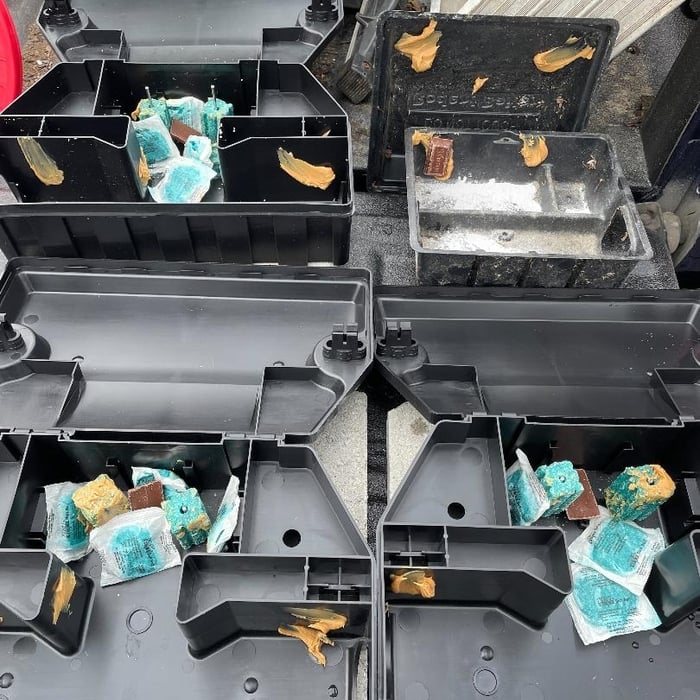
Rodent bait stations
Pest Control
Pest Control

+1

Response time5 hrs
Response rate100%
Recommended by100%of homeowners
Bird Control FAQs, answered by experts

Some birds of prey, like owls, hunt at night. Hawks are diurnal and need good light to see their prey. You could see them circling anytime from dawn to dusk. Species like the common red-tailed hawk are most active in the early morning and late evening when their prey is also typically on the go.

You can take multiple approaches to keep animals out of your edible landscape. You can use natural repellents such as mint and cayenne pepper to deter them from your garden. You can also build a fence (or opt for a privet hedge) or keep the most enticing plants in a sectioned-off area. The most efficient method of keeping your four-legged guests at bay is to determine what animal it is and create a customized plan for them. 

An owl's worst enemy in the wild is often other raptors and environmental factors. Among the avian threats, larger owls or other birds of prey can pose a danger, engaging in territorial disputes or competing for food resources. Terrestrial predators like foxes, raccoons, and larger mammals may target owl nests or young fledglings. Environmental factors like severe weather conditions, habitat loss, and food availability changes can also significantly impact owl populations.

Trees that provide a habitat to bats and an abundance of bugs—their main food source—will attract bats to your yard. Because the North American landscape has changed so much in recent years, bats have a harder time finding trees with cavities to shelter in. If your yard has a dead or dying tree with a lot of sun exposure, bats will likely be drawn to it because trees with those features are less common.

It can be difficult to know what type of animal is in your attic until you see it. But several clues can help you narrow down the suspects:

  • Sounds: Smaller animals like rats and mice make scurrying and tapping/gnawing sounds. Larger animals like raccoons and opossums make louder clambering noises. Also, note when animals are noisy: Squirrels are active during the day, while rats are busiest at night.

  • Droppings: Rats and mice leave small, rice-shaped droppings (the rat’s version is significantly larger). Bigger droppings belong to larger critters like raccoons. As long as you’re not squeamish, an image search can help you identify what you’re seeing in your attic.

When in doubt, take photos of damage or other evidence and show them to an experienced pest control pro.

The Dover Foxcroft, ME homeowners’ guide to bird control services

From average costs to expert advice, get all the answers you need to get your job done.