







Top-rated bird control service pros.

Get matched with top bird control service pros in Charleston, ME

Enter your zip and get matched with up to 5 pros

Need a pro for your bird control service project in Charleston, ME?

Select your specific project to find the pro for you.

Find Bird control service pros in Charleston

Avatar for IPM Pest & Wildlife Services
IPM Pest & Wildlife Services
5.0(
17
)
Pest Control - Birds and Bats

Serving Charleston, ME and surrounding areas

In business since 1998

Free estimates

Emergency services offered

"Bob is a miracle worker. We tried everything we could think of to get rid of rats in our yard, including a visit from a well known national pest control company. Nothing worked. Bob came, worked his magic, and viola! - no more rats. He is pleasant, prompt, reasonable and gets the job done."
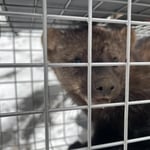
Fisher
Pest Control
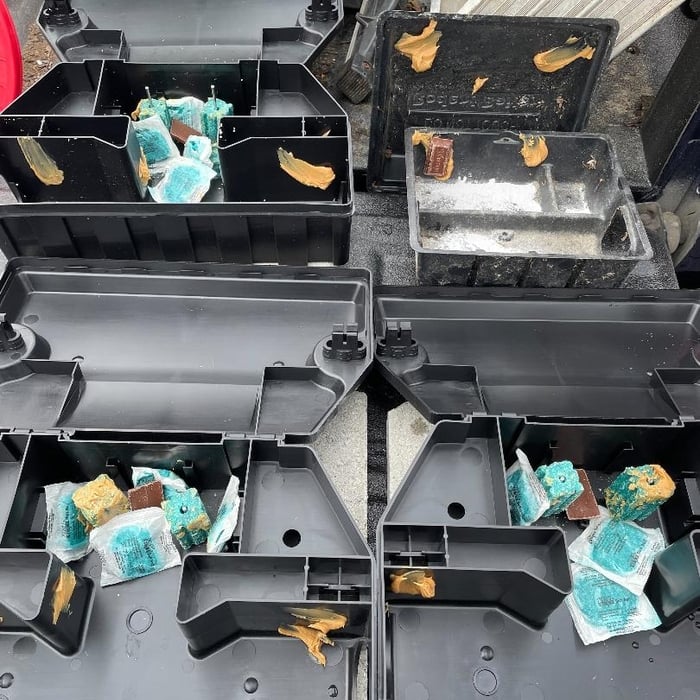
Rodent bait stations
Pest Control
Pest Control

+1

Response time5 hrs
Response rate100%
Recommended by100%of homeowners
Bird Control questions, answered by experts

Removal typically takes 1-3 days. Sealing entry points and cleanup may require additional time.

It's advisable to avoid using harmful methods to eliminate birds. Poisoning birds is inhumane and can have unintended ecological consequences, affecting other wildlife and pets. Similarly, using firearms or other lethal means poses safety risks and could be illegal in many areas. Sticky substances like adhesives can cause birds to become trapped and injured. Lastly, playing excessively loud or distressing noises can stress birds and humans. Focusing on humane and environmentally responsible strategies is essential when dealing with bird issues.

Some animals, such as bats or birds, will be able to get out of chimneys on their own since they can fly. Other animals, however, may have a harder time and will require the help of a professional to escape. Squirrels and raccoons in particular may become stuck inside a chimney, especially if you have a buildup of soot or creosote inside. This can prevent them from being able to climb out, in which case you’ll need to call an animal control expert to help remove them.

When woodpeckers start banging on your walls or roof, they are probably looking for insects to eat, storing nuts for winter, drilling a hole to make a nest, or communicating with other birds to establish territory or find a mate.

The size of the hole can help determine the reason for the pecking. Small irregular holes are a result of insect hunts. Acorn holes are more consistently sized and often fitted with a nut in the middle. Nest holes are large and have rounded edges. If the bird is pecking to mark its territory or attract a mate, it may leave dents rather than holes, and the noise will stop when the mating season starts in spring.

Maintain sealed entry points, use deterrents like spikes or sonic devices, and keep areas clean to discourage nesting.

The Charleston, ME homeowners’ guide to bird control services

From average costs to expert advice, get all the answers you need to get your job done.