I pride myself on my professionalism, as well as my ability to complete\nevery job to the homeowner's total satisfaction. I never leave a job\nunfinished, or a homeowner not 100% satisfied with my level of service -\nCall today!
When pests show up, so do we.\n\nFor nearly a century, Terminix® has been one of America's most trusted names in pest control. Every day, our exterminators serve thousands of homes and businesses nationwide, combining national service with local knowledge to provide best-in-class, proactive pest management solutions. We stop problems before they start and respond quickly if issues arise, keeping your property protected.\n\nAnd for extra peace of mind, if pests come back, so do we — guaranteed.\n\nThe Terminix It Guarantee means that if pests come back, so do we, to re-treat at no additional cost. No excuses, just a commitment to care for your home like it's our own with protection you can trust.
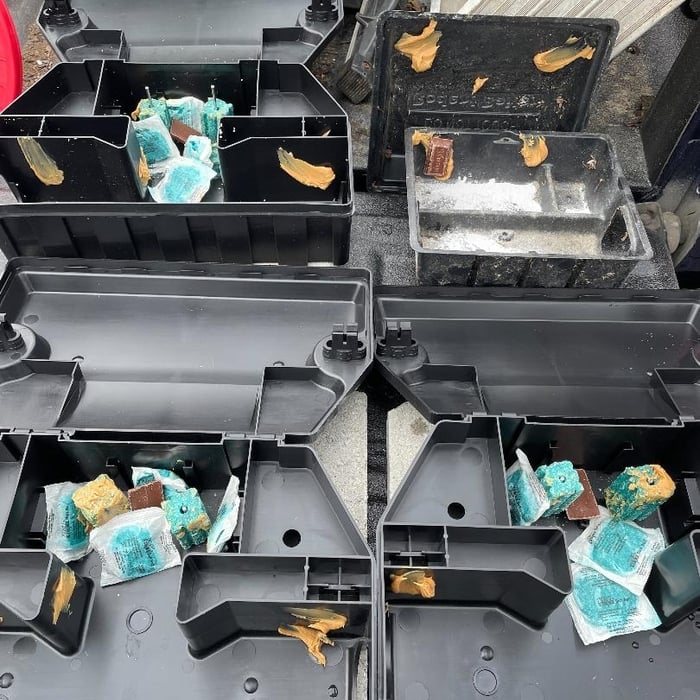
"Bob is a miracle worker. We tried everything we could think of to get rid of rats in our yard, including a visit from a well known national pest control company. Nothing worked. Bob came, worked his magic, and viola! - no more rats. He is pleasant, prompt, reasonable and gets the job done."
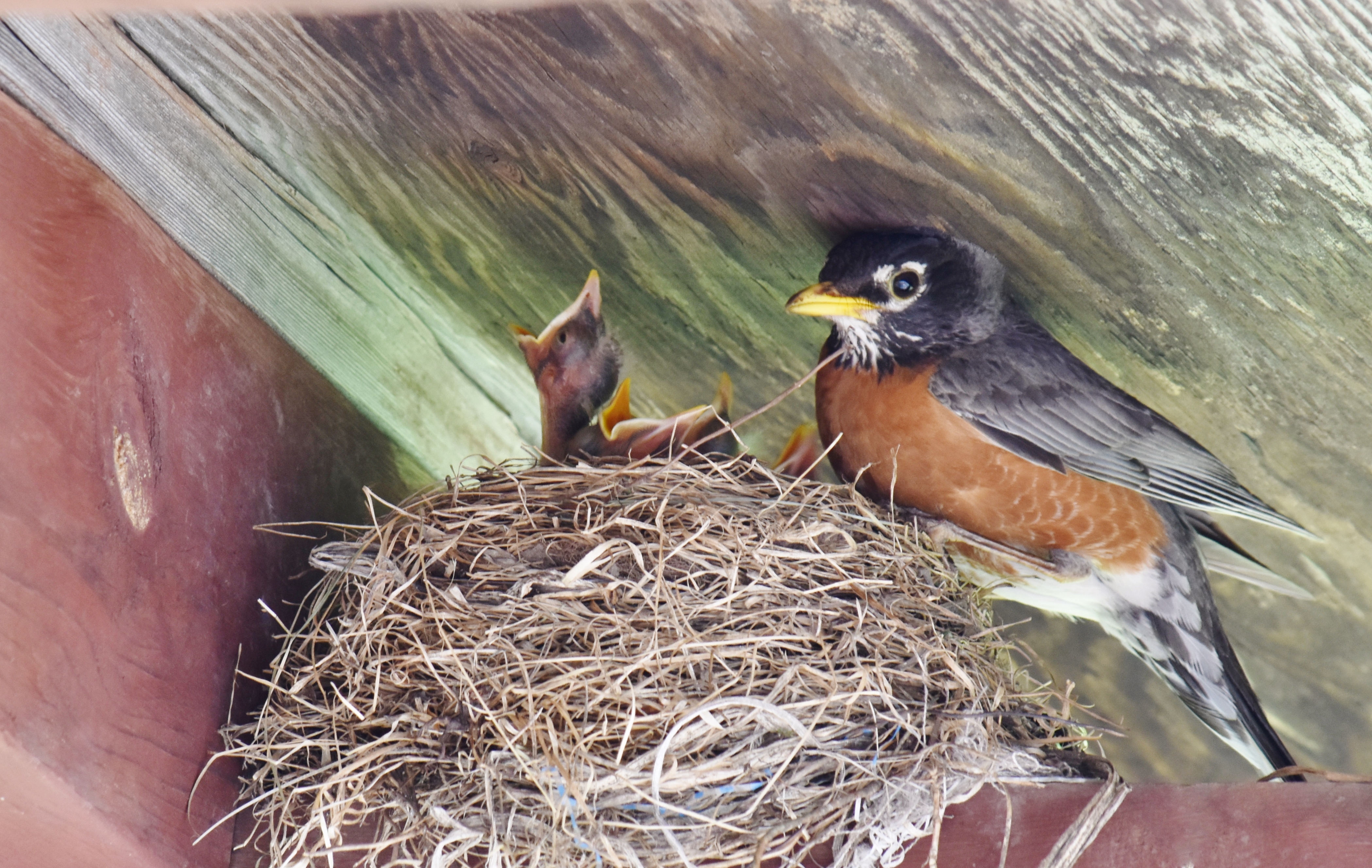
In most cases, a mother bird will return to a disturbed nest after the disturbance has passed. However, it can be hard for a mother bird to find a relocated nest. So, while it’s false that a mother bird will abandon her nest if it’s been disturbed, it’s not a good idea to relocate a nest with live babies or eggs in it.
Both spikes and loose nets can be installed over nest sites to prevent the bird from returning, but nets are not a humane option since birds and other wildlife can get tangled in them.
Spikes are a humane alternative that deter nesting without harming the birds. In small areas, like vents, a very fine mesh net can be installed to prevent the bird from returning. These nets don't generally pose a risk to the birds.
The lifespan of a bird's nest depends on the species. The building process can take from two days to three weeks. Once built, the nesting period for baby birds can last from two to ten weeks before they leave the nest. While most young birds are ready in two to six weeks, some predatory species may need up to two and a half months. Some species nest four to five times per year, so a nest could remain in use for several months. For specific information about a particular nest's longevity, it is best to consult a wildlife professional.
Birds are often averse to certain strong scents. For instance, the odor of predator urine, such as that from foxes or hawks, can deter them. Similarly, birds may dislike the pungent aromas of garlic, onions, and chili peppers. Essential oils like peppermint, eucalyptus, and citrus can also be effective in keeping birds away. However, it's important to note that individual bird species might react differently to these scents, so it might require some experimentation to find the most effective repellent for your specific situation.
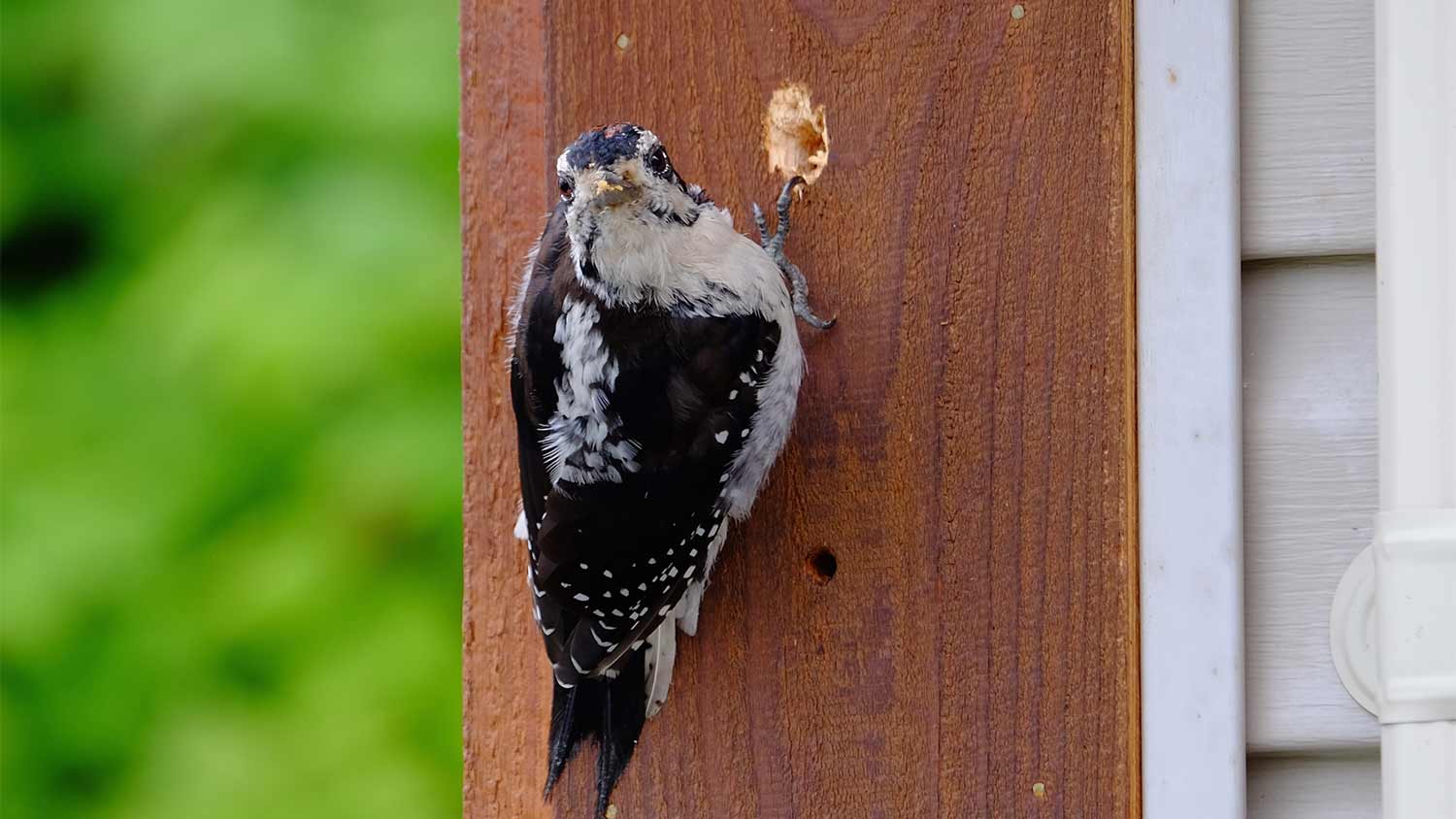
Popular nesting areas outside of a home include eaves, porches, gutters, and chimneys. However, some birds can make their way into your attic or ventilation systems. A reputable removal service will inspect your home's interior and exterior for any evidence of roosting and nesting birds while they prepare to remove them.
The Brownville, ME homeowners’ guide to bird control services
From average costs to expert advice, get all the answers you need to get your job done.
Sometimes birds nest in unwelcome places. Find out how much bird nest removal will cost based on factors like location, bird species, and preventative measures.