

Top-rated generator install pros.

Get matched with top generator install pros in Greenbush, ME

Enter your zip and get matched with up to 5 pros

Need a pro for your generator install project in Greenbush, ME?

Select your specific project to find the pro for you.

Find Generator install pros in Greenbush

GM Electric
5.0(
22
)
Fixed Generator - InstallGenerator - Install - For BusinessPortable Generator - Install

Serving Greenbush, ME and surrounding areas

In business since 2018

Free estimates

Emergency services offered

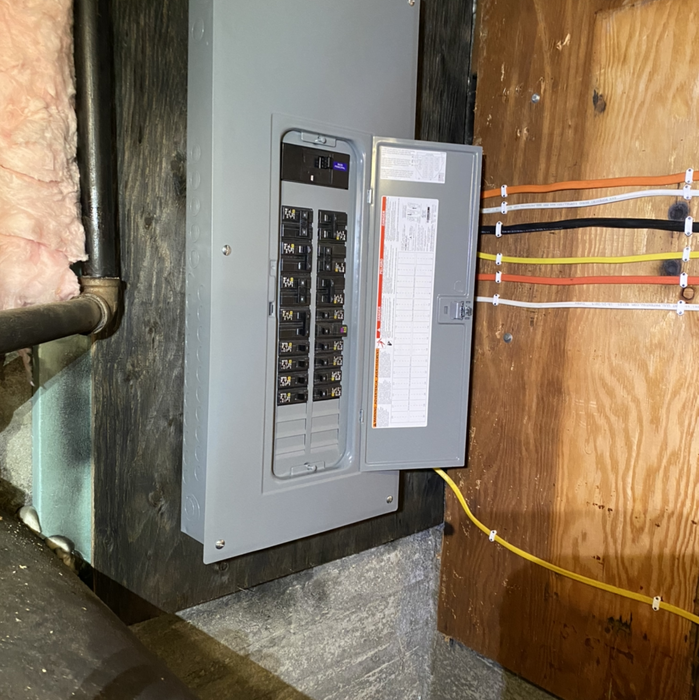
"Gracen is excellent! I needed a transfer switch to run my generator from the electrical panel. From first quote to job done, Gracen kept in touch. He does good honest work and explains everything heâ s done. Heck, he even put up with my dog barking the whole time he was over lol. When he was done with the job, he helped me go through everything and in detail. Recommend highly"
Response time2 days
Recommended by76%of homeowners
Showing 1-10 of 16
Generator Install questions, answered by experts

Portable generators provide backup power for essential appliances during outages and are easy to relocate.

The average cost to install a home generator is $5,200, but total costs can range from $500 to $18,000 or more. The final price depends on several factors, including the generator's size, type, brand, fuel source, and the cost of labor and assembly. The generator's size is the most significant cost factor, as units that can power larger homes with higher energy demands cost more.

Cost breakdowns by generator type are typically as follows:

  • Portable or Emergency Backup Generators (1kW–7.5kW): $500–$2,000

  • Partial-Home Generators (9kW–20kW): $2,000–$6,500

  • Whole-House Generators (22kW–48kW): $5,000–$18,000

To ensure you get the right size unit for your needs without overpaying, consider hiring an electrician to calculate the electrical load of your essential appliances. It is also recommended to get at least three quotes from qualified installers to find the best fit for your budget.

Natural gas generators are designed to run for extended periods of time, such as power outages during a natural disaster. Since there’s no limit to the supply of natural gas, they don’t need to stop for refills. However, generators do need maintenance, including pauses to check and add oil. Constantly running them will also cause a lot more wear and tear, leading to a shorter lifespan.

Here’s what you can run with different wattages and types of generators:

Portable generator:

  • 2,000 watts can handle a large appliance like a freezer or refrigerator, plus a few smaller items like phones or computer chargers. 

  • 4,000 watts will keep two large appliances operating and a few smaller devices.

  • 8,000 watts should power most essential appliances and other devices, including a sump pump, well pump, or your dishwasher.

Partial to whole-house generator:

  • 20,000 watts and above will make it seem like your home’s power is still on.

A 10,000-watt generator can run a small to mid-sized central AC unit (typically up to 3 tons or 36,000 BTU) along with a few other appliances. However, larger AC units or additional loads will require a bigger generator. Consult a local generator installer to ensure you add the correct size generator to your home.

The Greenbush, ME homeowners’ guide to generator installs

From average costs to expert advice, get all the answers you need to get your job done.