






Top-rated energy efficiency auditors.

Get matched with top energy efficiency auditors in Gray, ME

Enter your zip and get matched with up to 5 pros

Need a pro for your energy efficiency auditing project in Gray, ME?

Select your specific project to find the pro for you.

Find Energy efficiency auditors in Gray

Avatar for Bryan's Solar Energy  Facebook
Bryan's Solar Energy Facebook
5.0(
1
)

Serving Gray, ME and surrounding areas

In business since 2019

Credit card accepted

Offers commercial services

"I had a wonderful experience with this company. They were punctual, very friendly and kind, and clearly knew their business. I would highly recommend them to any homeowner! Great job Team!"
New gas and hot water
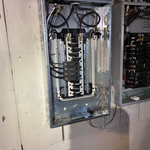
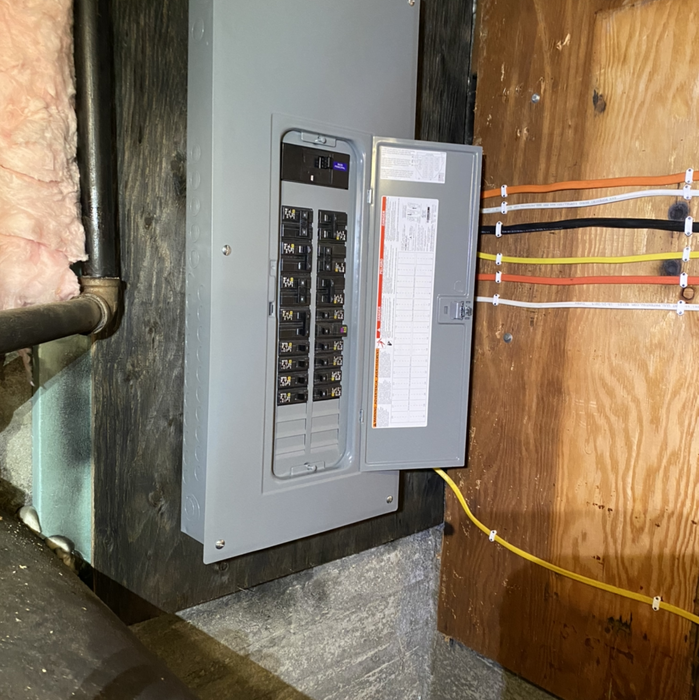
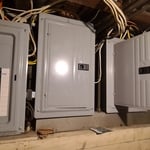
new electric
sfter completion
plumbing
Response time12 hrs
Recommended by100%of homeowners
Energy Efficiency Auditing questions, answered by experts

Window AC units use a fair amount of electricity, but significantly less than central AC systems. Because they are more energy-efficient for cooling individual rooms or small spaces, their usage is comparatively low. On average, a window AC unit consumes between 500 and 1,400 watts, while a central AC system uses over 3,500 watts—meaning a window unit uses about one-third of the energy. This typically translates to a monthly running cost of $15 to $40, although this can vary depending on external factors.

A whole-house humidifier can positively impact energy consumption by improving heating efficiency. During colder months, humidified air feels warmer, which allows you to lower your thermostat without sacrificing comfort. This adjustment can lead to significant energy savings as your heating system works more efficiently. However, it's important to use the humidifier judiciously, as excessive humidity could potentially strain your cooling system in warmer months.

ENERGY STAR®-certified windows are the most energy-efficient windows on the market. This certification means that the window meets strict efficiency guidelines set forth by the Environmental Protection Agency. While they might cost more upfront, they can save you money on your energy bills in the long run. ENERGY STAR®-certified windows lower household energy bills by an average of 12% annually.

The difference between an energy auditor and a home inspector is primarily in the purpose of the inspection. The energy auditor conducts tests in your home to determine the energy efficiency levels in areas like windows, insulation, and doorways. The auditor then makes recommendations for ways to improve a home’s energy efficiency

A home inspector examines various structures of your home to determine that everything is up to code and gauge the condition of features like the roof, foundation, HVAC, and electrical. The home inspector reports on the overall home and makes repair recommendations.

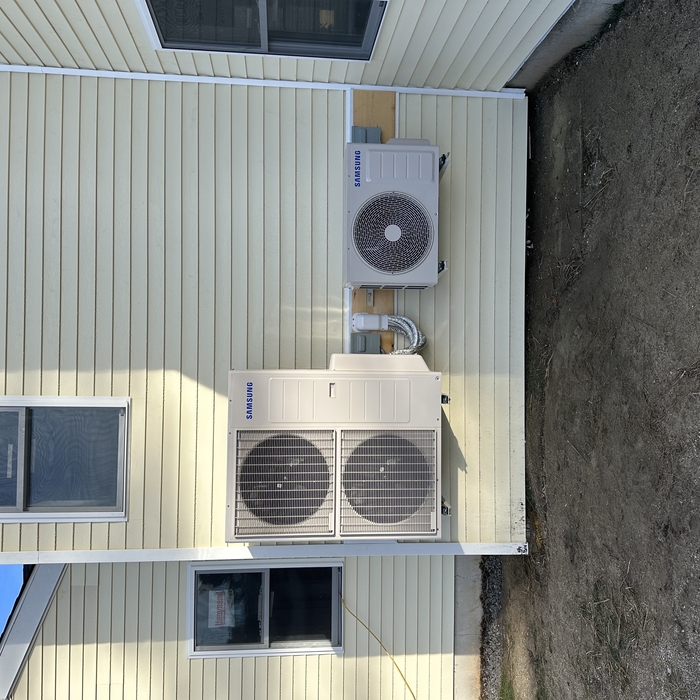
Yes, mini-split or ductless AC systems add value to a home and do not devalue it. They are an attractive feature for potential buyers, especially in older homes without existing ductwork, as they provide a practical air conditioning solution without the significant expense and hassle of installing traditional ducts. Ductless systems also eliminate issues associated with conventional ductwork, such as noise and the potential for pests. Furthermore, homeowners value energy-efficient solutions, and mini-splits offer high efficiency for both heating and cooling, plus zoned temperature control. This leads to lower energy consumption and reduced electric bills, which is a major selling point.

The Gray, ME homeowners’ guide to energy efficiency auditing services

From average costs to expert advice, get all the answers you need to get your job done.