


Top-rated haulers.

Get matched with top haulers in Edgecomb, ME

Enter your zip and get matched with up to 5 pros

TRUSTED BY EDGECOMB, ME HOMEOWNERS

  • Average homeowner rating star icon5
    Average homeowner rating
  • Verified reviews icon13
    Verified hauling services reviews

Find Haulers in Edgecomb

Avatar for M&W Removal Co.
M&W Removal Co.
5.0(
5
)
Waste, Junk, Building Materials and Debris - Remove and Haul

Serving Edgecomb, ME and surrounding areas

Approved

In business since 2024

Free estimates

Small jobs welcome

"We had some trash left over from the last tenant and couldn't move the stuff ourselves. M&W came out the same day and had it all removed and clean before we could say thank you. Great business. Great people. Awesome work."
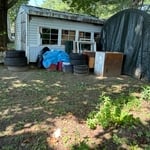
After: Cleared Yard
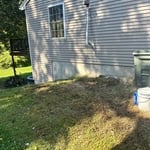
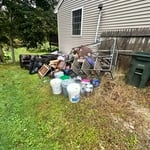
Before: Yard Junk
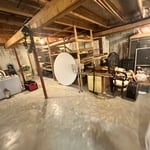
Before: Basement
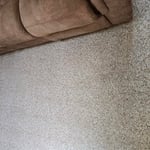
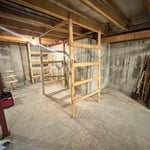
After: Basement
5 neighbors recently requested a quote
Avatar for Moving APT - Long Distance Movers
Moving APT - Long Distance Movers
4.5(
282
)
Waste, Junk, Building Materials and Debris - Remove and Haul

Serving Edgecomb, ME and surrounding areas

In business since 1999

Free estimates

Credit card accepted

"Miller and his colleagues were able to do a lot of things quickly. Along with everything else, they also grabbed some old furniture that I needed help moving to the curb. They took several cares to make sure nothing was damaged during the move, including wrapping the furniture, turning off all the lights, and packaging the picture frames."
Additional Photos
Additional Photos
Additional Photos
Recommended by88%of homeowners
Showing 1-10 of 32
Hauling questions, answered by experts

Dirt and other debris from land clearing, such as stumps and rocks, are considered construction debris in some states. What qualifies as construction debris varies from state to state, but it generally refers to any materials produced in the process of building, renovating, or demolishing structures.

Demolition is a project that involves heavy machinery, skilled labor, and hazardous waste removal. It can also take multiple weeks to complete. Plus, it’s a dangerous job. The machinery itself costs a lot of money, as does the time of the people who are operating that machinery (and the training they receive to do so safely). Certain hazardous materials, like asbestos, can cost up to $25 per foot for removal.

How you dispose of excess concrete depends on the amount you have left over. Since concrete hardens quickly, it's wise to have a disposal plan before starting your project. For small amounts, you can divide the extra concrete into manageable chunks. Because concrete isn't considered hazardous waste, these smaller pieces can often be placed in a dumpster. For larger quantities, you can rent a dumpster from a company that specializes in concrete disposal or take the material to a landfill or transfer station. It is important to call your preferred location first to confirm they accept concrete. Additionally, check with your municipality to see if it offers recycling services for solid concrete.

One of the best ways to reduce packaging waste is to purchase materials that are made using recycled materials. While these don’t eliminate waste, they do help provide uses for old packaging materials and prevent the need to collect more raw ingredients for continued manufacturing. Recycling those same products helps complete the cycle and reduces the need for new materials in the supply chain. You can also upcycle some packing materials, like cardboard and plastic, for use in crafts and organizational tools.

While a biohazard cleanup sounds like a scary process, knowing what to expect can help ease your concerns and set you up for success. It’s good to note that more than one professional might be needed depending on your situation, but that will be determined during the assessment. What you can expect during a home biohazard cleanup is the following:

  • Assessment: The first step in this process is for a biohazard cleanup professional to assess the damage. They create a report that includes the biohazard safety level, the needed damage cleanup, and the time it should take to complete the project. 

  • Setup: The cleanup professional prepares the site to prevent cross-contamination and reduce toxicity risk. This process can include tarping and creating decontamination zones. 

  • Removal of surface contamination: Any contaminated materials are removed from the area, starting with large materials followed by small ones. The professional can assess any floor-related damage once everything is removed from the site. 

  • Salvaging items: The biohazard cleanup professionals assess which items can be saved and which are contaminated beyond the point of saving. Those deemed unsafe will be disposed of immediately. 

  • Waste disposal: The next step is carefully disposing of the hazardous waste. Your professional will place the contaminated items in specific containers to keep the contamination from spreading.   

  • Disinfection: The house will be disinfected and odor-neutralized. Even more minor details, like light switches and bulbs, will be disinfected so that they do not recontaminate the area in the future. 

  • Restoration: Once the decontamination is complete, the last step is to restore the home. This includes repairing the damage to flooring, walls, or even the home's foundation.  

The Edgecomb, ME homeowners’ guide to hauling services

From average costs to expert advice, get all the answers you need to get your job done.