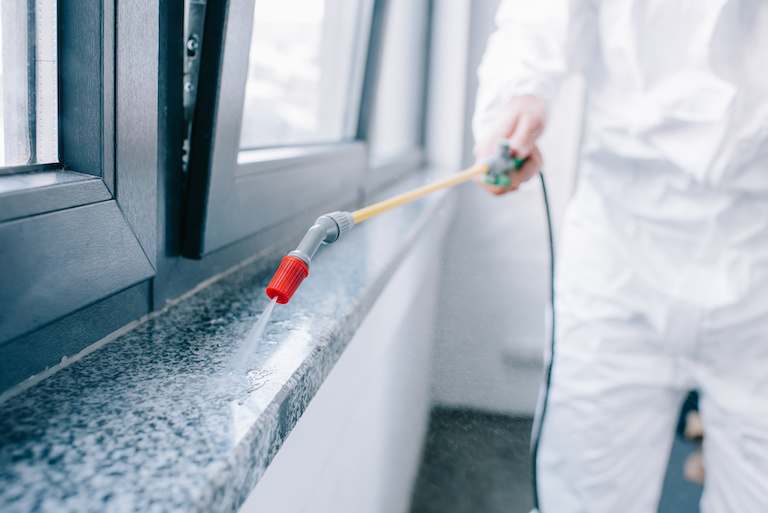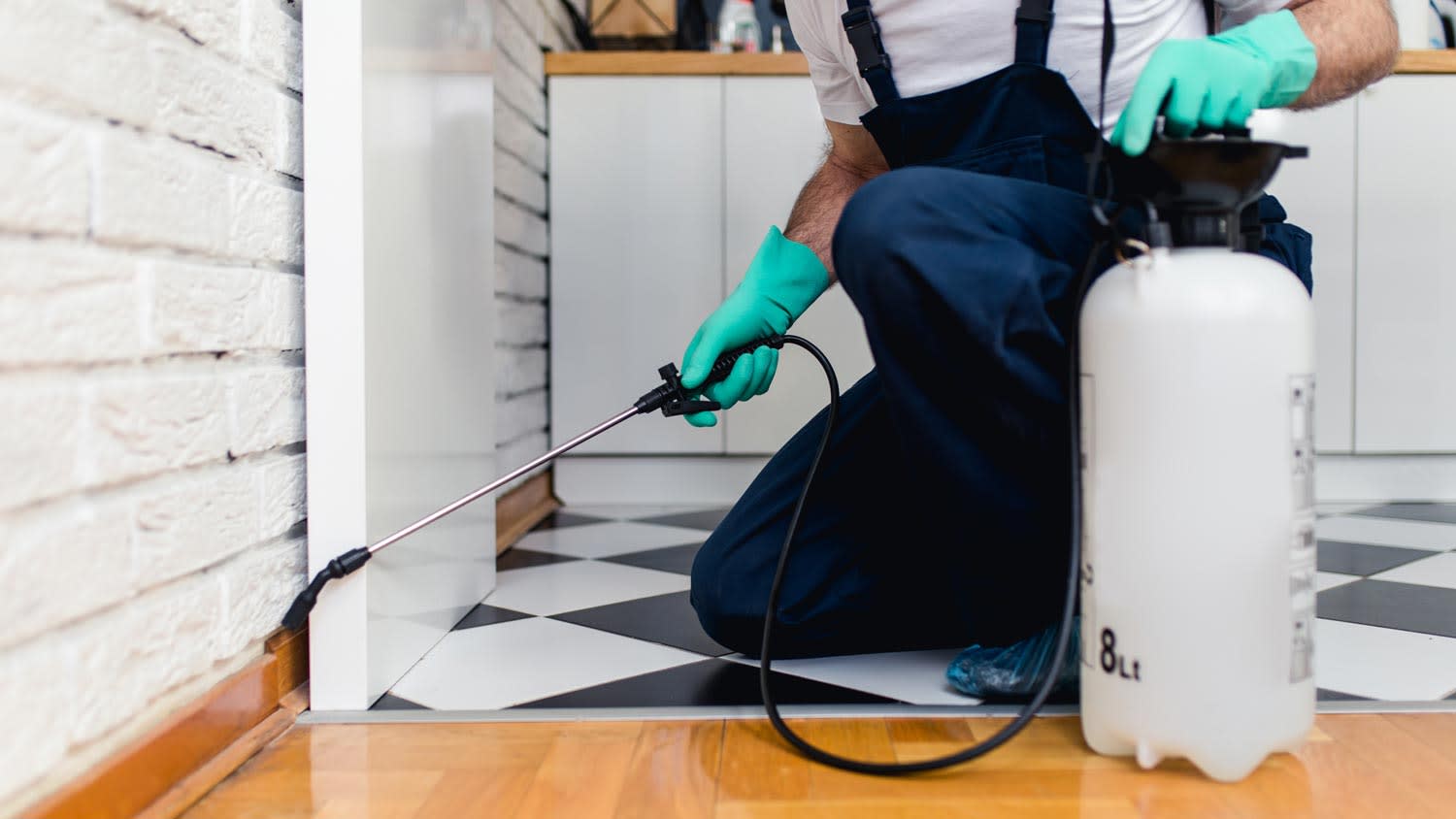






When pests show up, so do we.\n\nFor nearly a century, Terminix® has been one of America's most trusted names in pest control. Every day, our exterminators serve thousands of homes and businesses nationwide, combining national service with local knowledge to provide best-in-class, proactive pest management solutions. We stop problems before they start and respond quickly if issues arise, keeping your property protected.\n\nAnd for extra peace of mind, if pests come back, so do we‐guaranteed.\n\nThe Terminix It Guarantee means that if pests come back, so do we to re-treat at no additional cost. No excuses, just a commitment to care for your home like it's our own with protection you can trust.3
"I have a contract with them so I have to use them again. It pays for itself eventually if you get good repair people. You don't control who they send."
In some cases, a clean house can have roaches, especially if you have excess moisture somewhere. You may want to check for leaky pipes or look underneath sinks to make sure water isn’t dripping near a hidden area that is inviting the cockroaches in. Roaches can also take up residence in clean homes with not-protected food sources, like open bags of food in a kitchen cupboard.
The most common wasps are hornets, yellowjackets, and paper wasps. Both hornets and yellowjackets are black and yellow, and hornets are known to be more aggressive if their nests are disturbed. Paper wasps are black or reddish-brown with yellow markings and often build nests on eaves or branches. Of the more than 300,000 species of wasps, these are the most often encountered by pest control professionals.
Aside from a warm, cozy place to curl up, you might wonder what attracts mice to your home. Several items attract mice, including: Birdseed Pet food Water Cereal and whole grains Food scraps from the composting bin Open trash cans High-fat and high-sugar foods Unused cars—they make great homes for chilly mice Insulation in the attic Clutter Brush from your yard, including leaves, sticks, wood, and shrubs (so mice can make nests) Overgrown trees or bushes—mice love to leap from branches onto the roof Indoor nesting materials, including cloth, paper, tissues, and toilet paper Tiny cracks in the siding or foundation
Dying trees and even dead trees can spread diseases to other living trees. There are many different types of tree diseases, so it’s essential to address the issue as soon as possible to prevent the disease from spreading to other healthy trees. If the tree cannot be saved and is infected, you need to have it removed to protect the other trees on your property.
Spiders are tiny creatures that can squeeze through the smallest cracks, so it’s impossible to guarantee eradication of every one within a home. However, understanding how to get rid of house spiders helps you be proactive with preventatives, minimizing the chance of an infestation taking hold. And if you do end up with a spider colony, thankfully, there are effective strategies for controlling the numbers.
The Baileyville, ME homeowners’ guide to pest control services
From average costs to expert advice, get all the answers you need to get your job done.
You’re not alone if you’re hoping to avoid harmful pesticides around your home to keep out pests. Here’s what you need to know about green-friendly pest control.