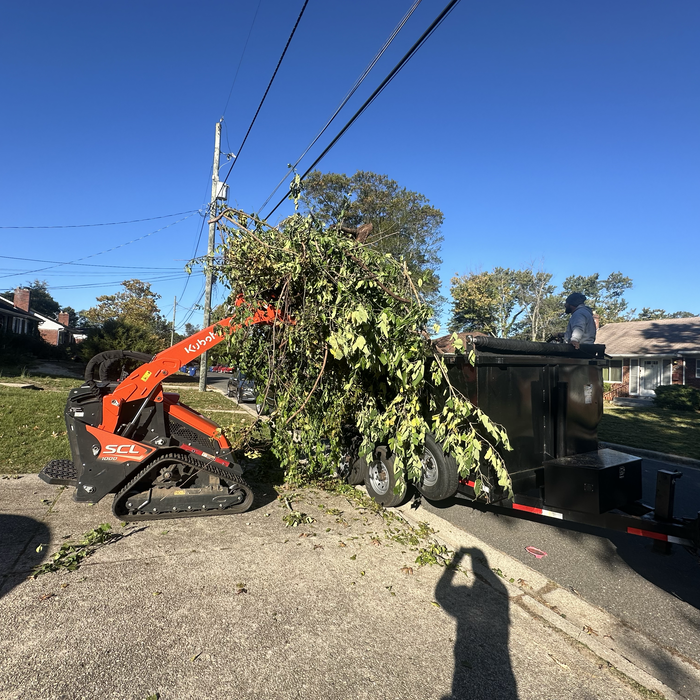



Top-rated leaf removal pros.

Get matched with top leaf removal pros in Temple Hills, MD

Enter your zip and get matched with up to 5 pros

Need a pro for your leaf removal project in Temple Hills, MD?

Select your specific project to find the pro for you.

TRUSTED BY TEMPLE HILLS, MD HOMEOWNERS

  • Average homeowner rating star icon4.1
    Average homeowner rating
  • Verified reviews icon73
    Verified leaf removal services reviews

Find Leaf removal pros in Temple Hills

Porter Design Landscaping and Home Improvement, In
4.8(
17
)
Lawn & Yard Waste Clean UpLawn Care - Fall / Spring Clean Up - For Business

Serving Temple Hills, MD and surrounding areas

Approved

In business since 1980

Free estimates

Customers say: Terrific value

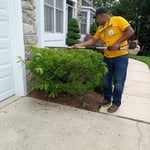
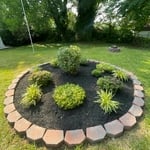
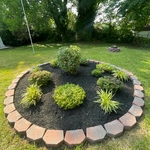
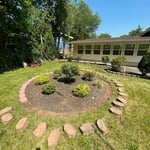
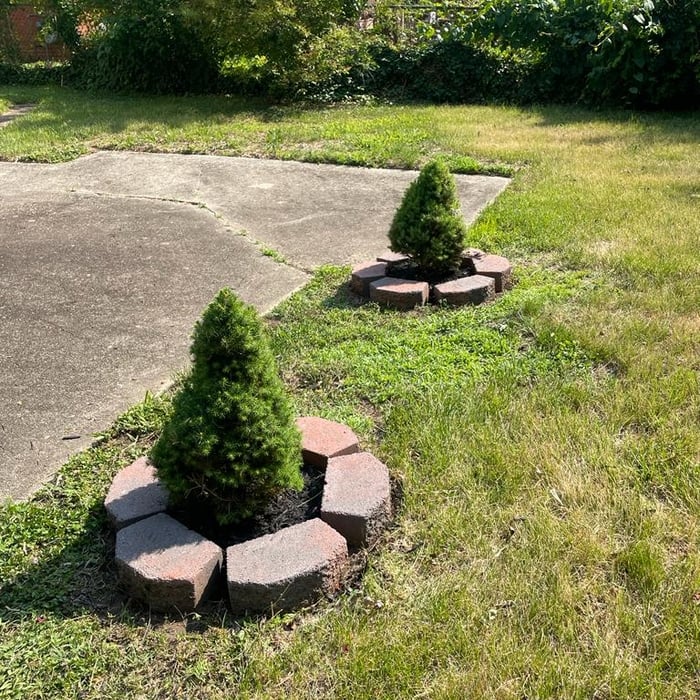
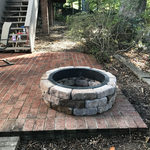
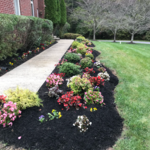
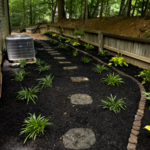
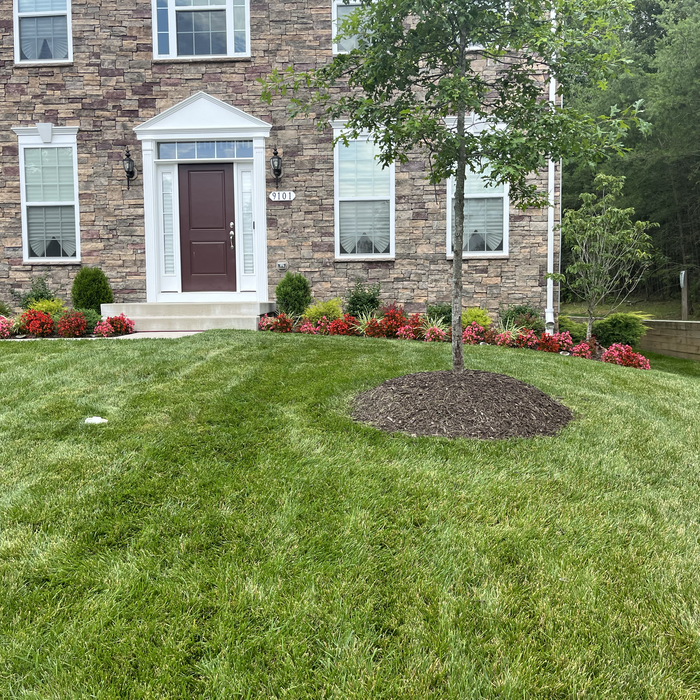
"Mr. Jay Porter was extremely professional. He removed all the weeds from my flower beds, cut the shrubs, added rocks and planted an array of beautiful plants which enhanced the outdoor area and gave my home great curb appeal. I recommend this company for hire. Their workmanship is impeccable. They leave your place spotkess. They are the best and are affordable as well."
Additional Photos
Additional Photos
Additional Photos
Additional Photos
Additional Photos

+24

Response time1 day
Response rate100%
1 neighbors recently requested a quote
...
Showing 1-10 of 935
Leaf Removal questions, answered by experts

According to the Environmental Protection Agency (EPA), hazardous waste is generally classified into four main categories:
1. Characteristic Wastes: These exhibit at least one of four hazardous traits: ignitability (flammable, like gasoline), corrosivity (can rust or decompose materials, like car batteries), reactivity (unstable and can explode, like aerosol cans), or toxicity (harmful when ingested, like lead-based paint).
2. Listed Wastes: These are specific wastes from manufacturing and industrial processes that the EPA has officially designated as hazardous. They include byproducts from processes that use solvents, pesticides, and other chemicals.

3. Universal Wastes: These are commonly generated hazardous items that are subject to streamlined regulations. Examples include batteries, pesticides, mercury-containing equipment (e.g., bulbs), and some lamps.

4. Mixed Wastes: This category includes waste that contains both hazardous and radioactive components, making it subject to regulation by both the EPA and the Nuclear Regulatory Commission.

Lead exposure poses significant health risks, including neurological, developmental, and behavioral disorders, especially critical in young children and fetuses.

Professional lead removal involves identifying and safely removing or encapsulating lead-based paints and materials, using specialized equipment, and following strict safety procedures to minimize exposure and contamination.

The best disposal method for hazardous waste is recycling or donation, if possible. That way, the world can reduce its consumption of raw materials and the volume at which materials have to be treated and disposed of. If recycling or donation is not an option, most waste can be disposed of through landfills or incinerators, but their collection and treatment are separate from regular day-to-day waste disposal. 

Household products such as paints, cleaners, oils, and batteries are considered hazardous and should not be disposed of with regular household waste. Instead, look for local household hazardous waste collection facilities where you can safely dispose of these items without harming the environment or human health.

The Temple Hills, MD homeowners’ guide to leaf removal services

From average costs to expert advice, get all the answers you need to get your job done.