







Top-rated leaf removal pros.

Get matched with top leaf removal pros in Glenarden, MD

Enter your zip and get matched with up to 5 pros

Need a pro for your leaf removal project in Glenarden, MD?

Select your specific project to find the pro for you.

TRUSTED BY GLENARDEN, MD HOMEOWNERS

  • Average homeowner rating star icon4.4
    Average homeowner rating
  • Verified reviews icon187
    Verified leaf removal services reviews

Find Leaf removal pros in Glenarden

Avatar for Scrap's Junk Removal
Scrap's Junk Removal
5.0(
20
)

Serving Glenarden, MD and surrounding areas

Approved

Super Service Award Winner

In business since 2023

Free estimates

Emergency services offered

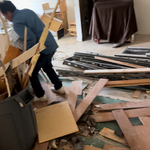
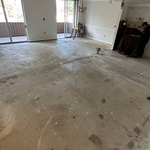
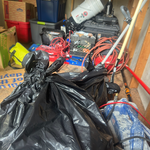
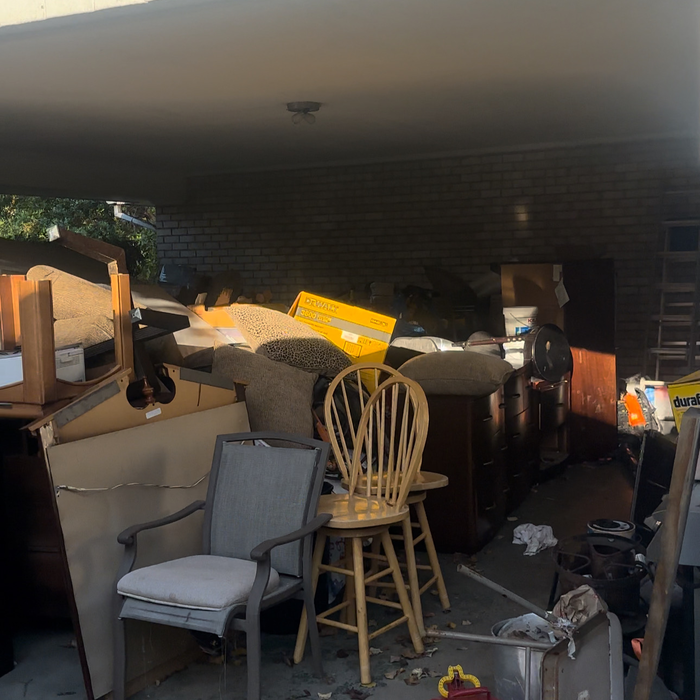
"I was looking for a last-minute junk removal company for my move and came across Scrap's Junk Removal. They were very professional, punctual, and had great rates. I would recommend them!"
Additional Photos
Additional Photos
Additional Photos
Additional Photos
Additional Photos

+22

2 neighbors recently requested a quote
Recommended by85%of homeowners
Avatar for Washington Removal
Washington Removal
5.0(
8
)

Serving Glenarden, MD and surrounding areas

Approved

Free estimates

Credit card accepted

Offers commercial services

"Marion was very professional and timely during the removal. Removed all my old furniture and clutter super quick and efficiently. Definitely will recommend to friends and family"
Project Photos
4 neighbors recently requested a quote
...
Showing 1-10 of 1103
Leaf Removal questions, answered by experts

If your home was built before 1978, there’s a chance that any paint on your hardwood floors could be lead paint—especially if it was already there when you moved in. Because lead is toxic, hiring a licensed pro to remove it is mandatory. The average price for professional lead paint removal ranges from $1,500 to $5,300 and depends on the scope of the project.

Lead toxicity comes from inhaling lead or consuming it. Before the 1980s, when the government banned lead from consumer use, it could be found in paint, plumbing, pipes, ceramics, and even gasoline. Lead paint is toxic for the same reason lead itself is toxic, which is why lead poisoning from paint presents the same as lead poisoning from water or food sources, with a slight increase in respiratory symptoms vs. digestive symptoms. Lead paint is most dangerous when it’s old and peeling, cracking, or otherwise disturbed. This increases the concentration in the air and, therefore, in breathable air. 

You should ask a few questions to ensure that your potential lead removal professional is experienced and qualified to handle lead-paint abatement safely, legally, and properly.

  • What are your qualifications and experience removing lead-based paint?

  • Are you licensed and certified to remove lead-based paint?

  • How do you test for lead paint?

  • What methods do you use for lead-based paint abatement?

  • What do you plan to do with the hazardous material when you remove it from the home?

  • Do you do replacement and painting work or removal only?

According to the Environmental Protection Agency (EPA), hazardous waste is generally classified into four main categories:
1. Characteristic Wastes: These exhibit at least one of four hazardous traits: ignitability (flammable, like gasoline), corrosivity (can rust or decompose materials, like car batteries), reactivity (unstable and can explode, like aerosol cans), or toxicity (harmful when ingested, like lead-based paint).

2. Listed Wastes: These are specific wastes from manufacturing and industrial processes that the EPA has officially designated as hazardous. They include byproducts from processes that use solvents, pesticides, and other chemicals.

3. Universal Wastes: These are commonly generated hazardous items that are subject to streamlined regulations. Examples include batteries, pesticides, mercury-containing equipment (e.g., bulbs), and some lamps.

4. Mixed Wastes: This category includes waste that contains both hazardous and radioactive components, making it subject to regulation by both the EPA and the Nuclear Regulatory Commission.

While not all homes built before 1978 contain lead paint, enough do, so you’ll still want to test to be on the safe side. The federal government banned lead-based paint for homes in 1978, but your state may have banned lead before that time. Around 24% of homes built between 1960 and 1977 contained lead-based paint, while 87% of homes built before 1940 contained lead-based paint.

The Glenarden, MD homeowners’ guide to leaf removal services

From average costs to expert advice, get all the answers you need to get your job done.