


Top-rated lead testing and removal specialists.

Get matched with top lead testing and removal specialists in Glen Arm, MD

Enter your zip and get matched with up to 5 pros

Need a pro for your lead testing and removal project in Glen Arm, MD?

Select your specific project to find the pro for you.

TRUSTED BY GLEN ARM, MD HOMEOWNERS

  • Average homeowner rating star icon5
    Average homeowner rating
  • Verified reviews icon10
    Verified lead testing and removal services reviews

Find Lead testing and removal specialists in Glen Arm

Avatar for Reliable Lead Inspection Services
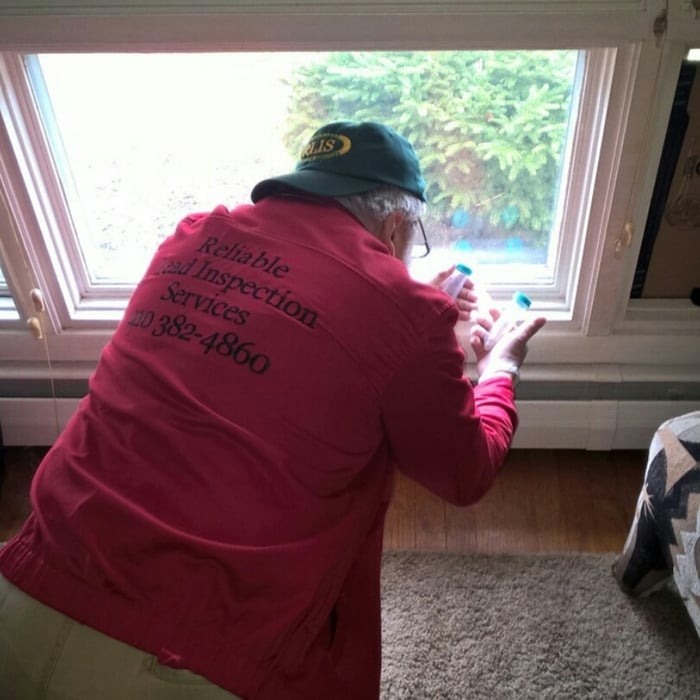
Reliable Lead Inspection Services
5.0(
41
)

Serving Glen Arm, MD and surrounding areas

Approved

In business since 2012

Free estimates

Emergency services offered

"Mr. Norman was absolutely wonderful to work with! He was friendly, professional, and very knowledgeable. He took the time to explain everything clearly and made the whole inspection process smooth and stress-free. His positive attitude and helpfulness really stood out. I highly recommend Mr. Norman and Reliable Lead Inspection to anyone in need of thorough and reliable service!"
Additional Photos
Additional Photos
Additional Photos
Additional Photos
Additional Photos

+8

Response time8 hrs
6 neighbors recently requested a quote
Recommended by95%of homeowners
Avatar for Eco Pro Restoration
Eco Pro Restoration
4.8(
104
)

Serving Glen Arm, MD and surrounding areas

Approved

In business since 2002

Free estimates

Emergency services offered

"Jerry provided excellent service for our air mold test. He was prompt in scheduling the appointment and arrived at the property as planned. After conducting the test, we received the results in just two days, which thankfully turned out negative."
Response time9 hrs
5 neighbors recently requested a quote
Recommended by92%of homeowners
Avatar for Home Free Lead Inspections
Home Free Lead Inspections
5.0(
4
)

Serving Glen Arm, MD and surrounding areas

In business since 2010

Free estimates

Credit card accepted

"Home Free set a time to meet, showed up on time, dressed professionally, worked efficiently, explained the process, laboratory testing was smooth and I received the results by email with further instructions to set expectation on receiving the certificate. True peace of mind"
Additional Photos
Recommended by100%of homeowners
Showing 1-10 of 39
Lead Testing and Removal questions, answered by experts

While not all homes built before 1978 contain lead paint, enough do, so you’ll still want to test to be on the safe side. The federal government banned lead-based paint for homes in 1978, but your state may have banned lead before that time. Around 24% of homes built between 1960 and 1977 contained lead-based paint, while 87% of homes built before 1940 contained lead-based paint.

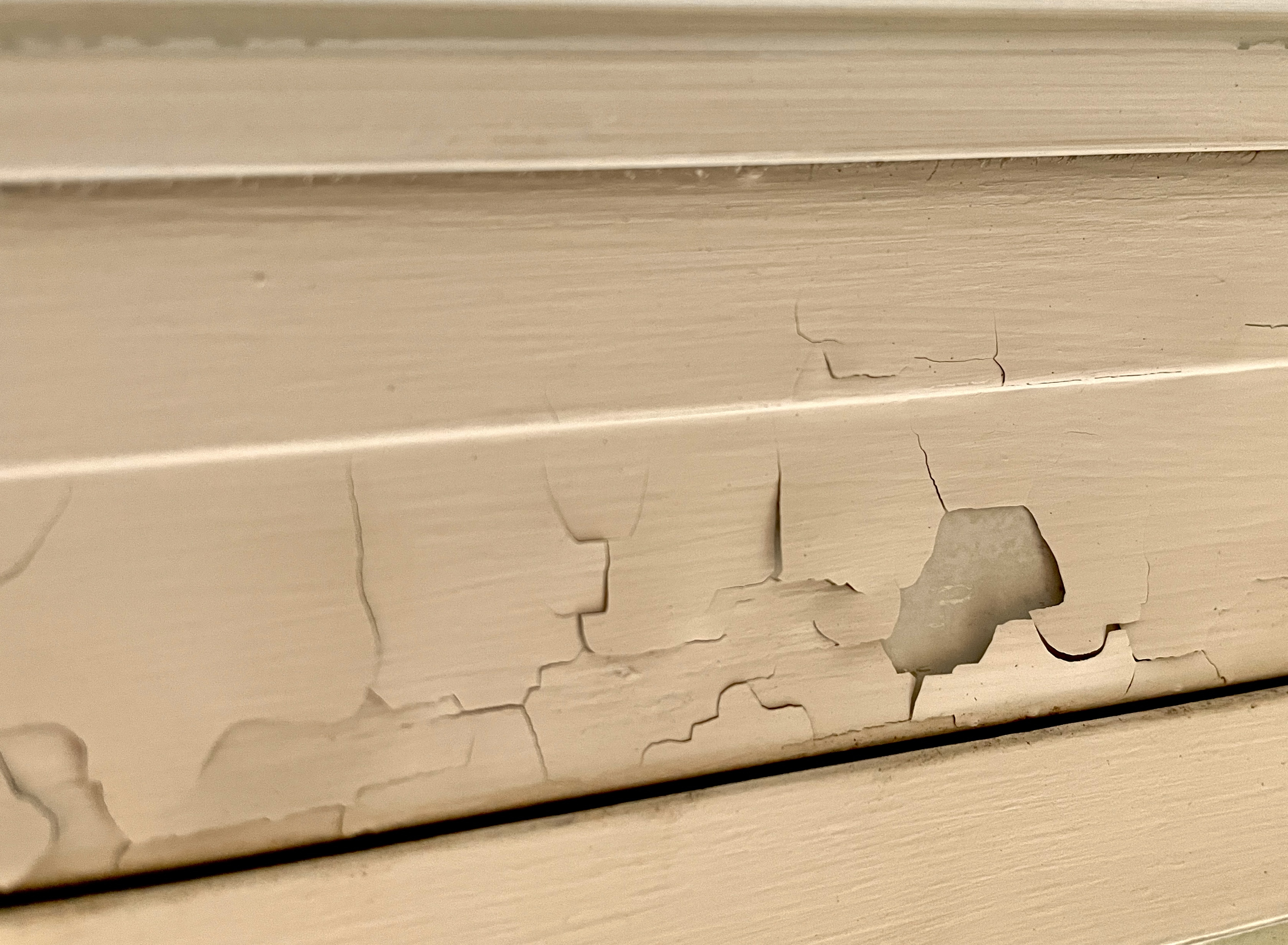
You do not have to remove lead paint if the surface is not chipping or peeling or if there are no pregnant people or children under the age of six who live in or regularly visit your home. Lead paint is a particular risk for young children whose brains and bodies are not fully developed. Experts strongly recommend that you call a pro to remove lead paint if it’s peeling or flaking, no matter who lives in the home. You can experience lead poisoning by breathing in or ingesting just a small amount of it.

Hazardous waste is waste that poses a threat to human or environmental health. This generally refers to waste that is flammable, corrosive, toxic, or reactive. To confirm if the waste you need to remove is considered hazardous waste, contact your local hazardous waste facility.

Lead testing prior to purchasing a property ensures that the new owners are informed about potential hazards, prevents health risks associated with lead poisoning, and facilitates timely remediation.

According to the Environmental Protection Agency (EPA), hazardous waste is generally classified into four main categories:

1. Characteristic Wastes: These exhibit at least one of four hazardous traits: ignitability (flammable, like gasoline), corrosivity (can rust or decompose materials, like car batteries), reactivity (unstable and can explode, like aerosol cans), or toxicity (harmful when ingested, like lead-based paint).

2. Listed Wastes: These are specific wastes from manufacturing and industrial processes that the EPA has officially designated as hazardous. They include byproducts from processes that use solvents, pesticides, and other chemicals.

3. Universal Wastes: These are commonly generated hazardous items that are subject to streamlined regulations. Examples include batteries, pesticides, mercury-containing equipment (e.g., bulbs), and some lamps.

4. Mixed Wastes: This category includes waste that contains both hazardous and radioactive components, making it subject to regulation by both the EPA and the Nuclear Regulatory Commission.

The Glen Arm, MD homeowners’ guide to lead testing and removal services

From average costs to expert advice, get all the answers you need to get your job done.