

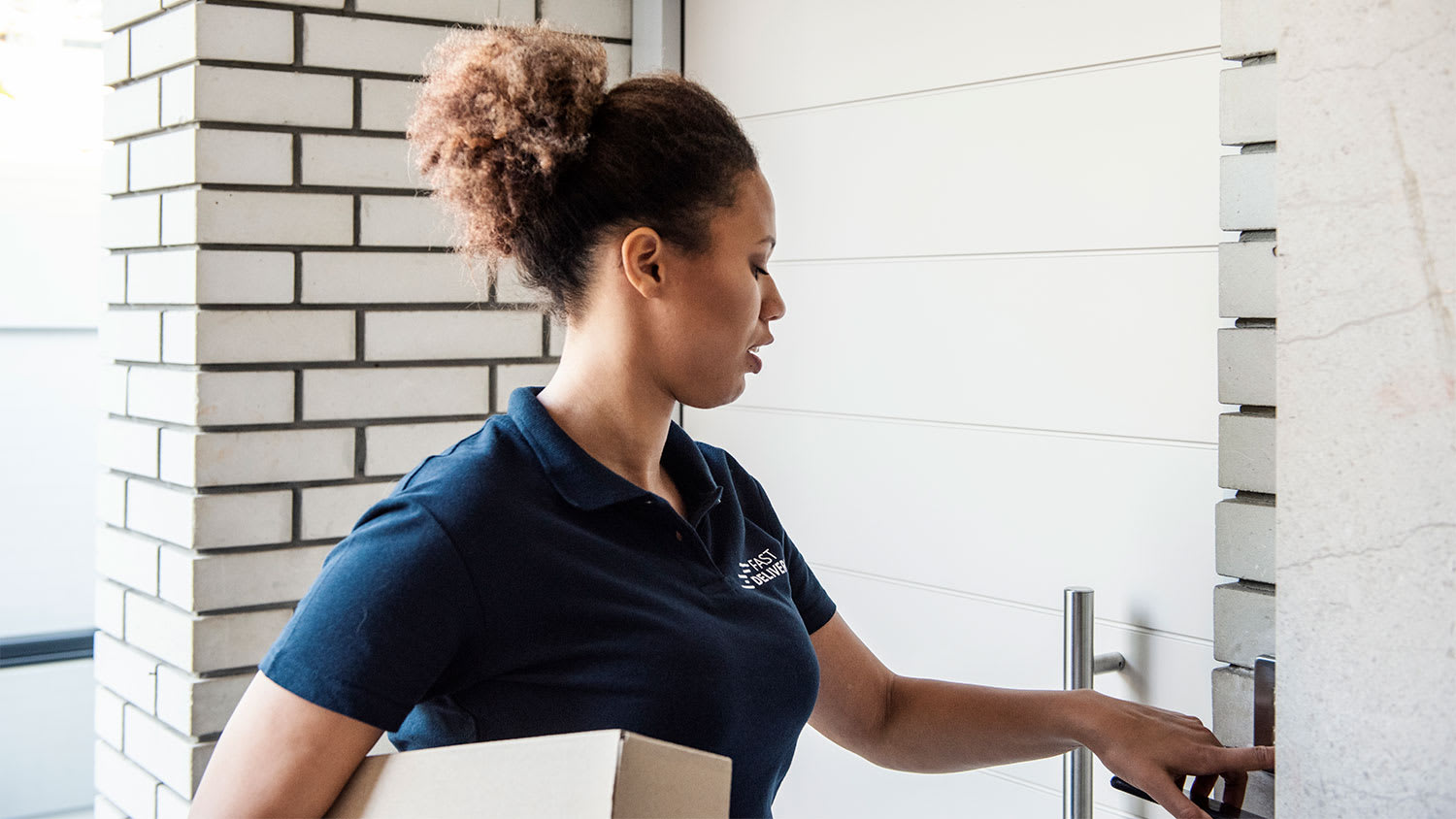
Ring a bell? From replacing a wired doorbell to setting up a smart home system, learn about typical doorbell installation costs, including materials and labor.

 4.5
 579
*The Angi rating for Doorbell Installation companies in Westminster, MA is a rating based on verified reviews from our community of homeowners who have used these pros to meet their Doorbell Installation needs.
*The HomeAdvisor rating for Doorbell Installation companies in Westminster, MA is a rating based on verified reviews from our community of homeowners who have used these pros to meet their Doorbell Installation needs.
Last update on October 11, 2026
From average costs to expert advice, get all the answers you need to get your job done.
Ring a bell? From replacing a wired doorbell to setting up a smart home system, learn about typical doorbell installation costs, including materials and labor.
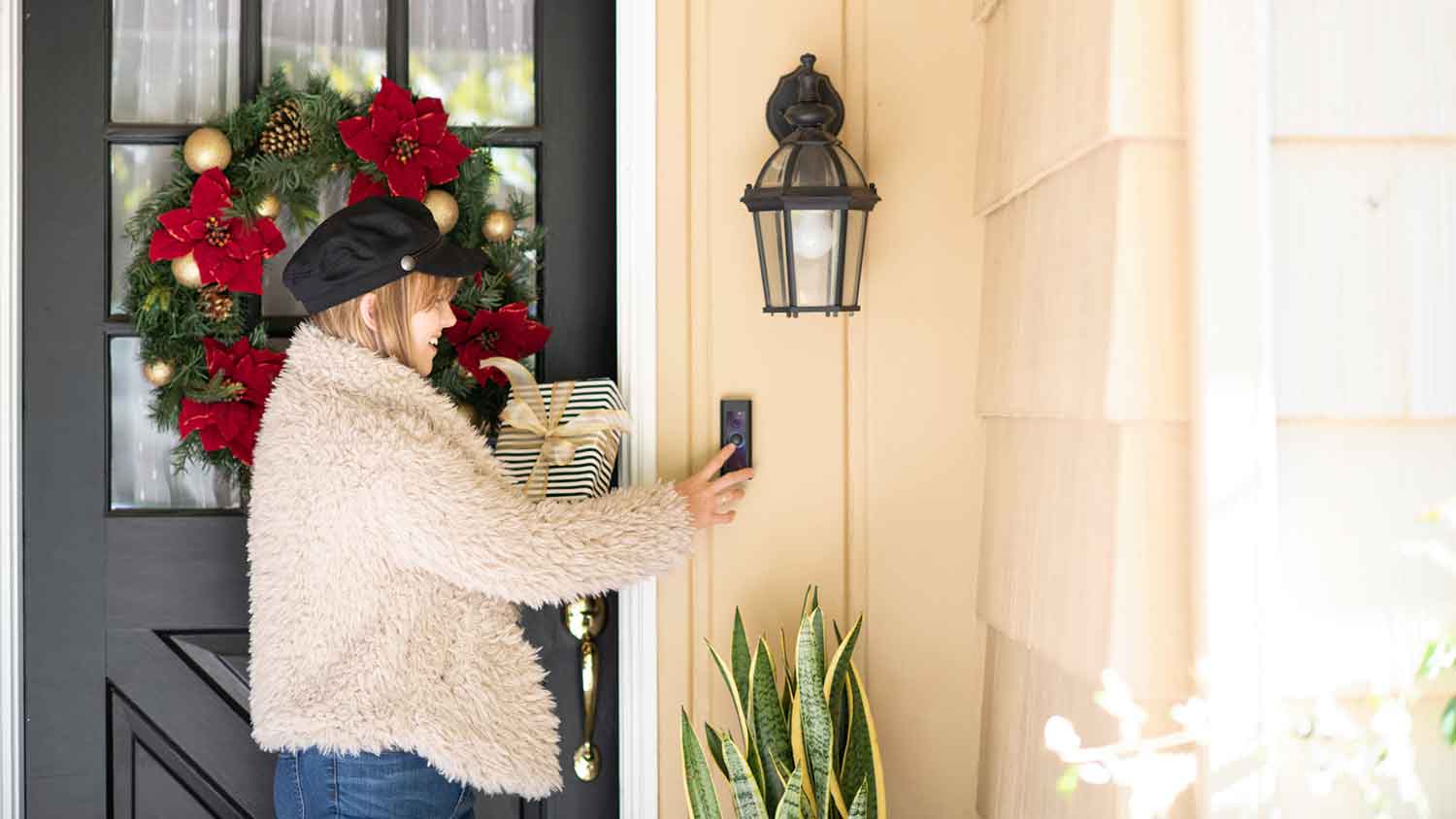
How much does it cost to install a doorbell camera? It depends on whether you plan to DIY or hire a pro. Learn about different models and their power sources, too.
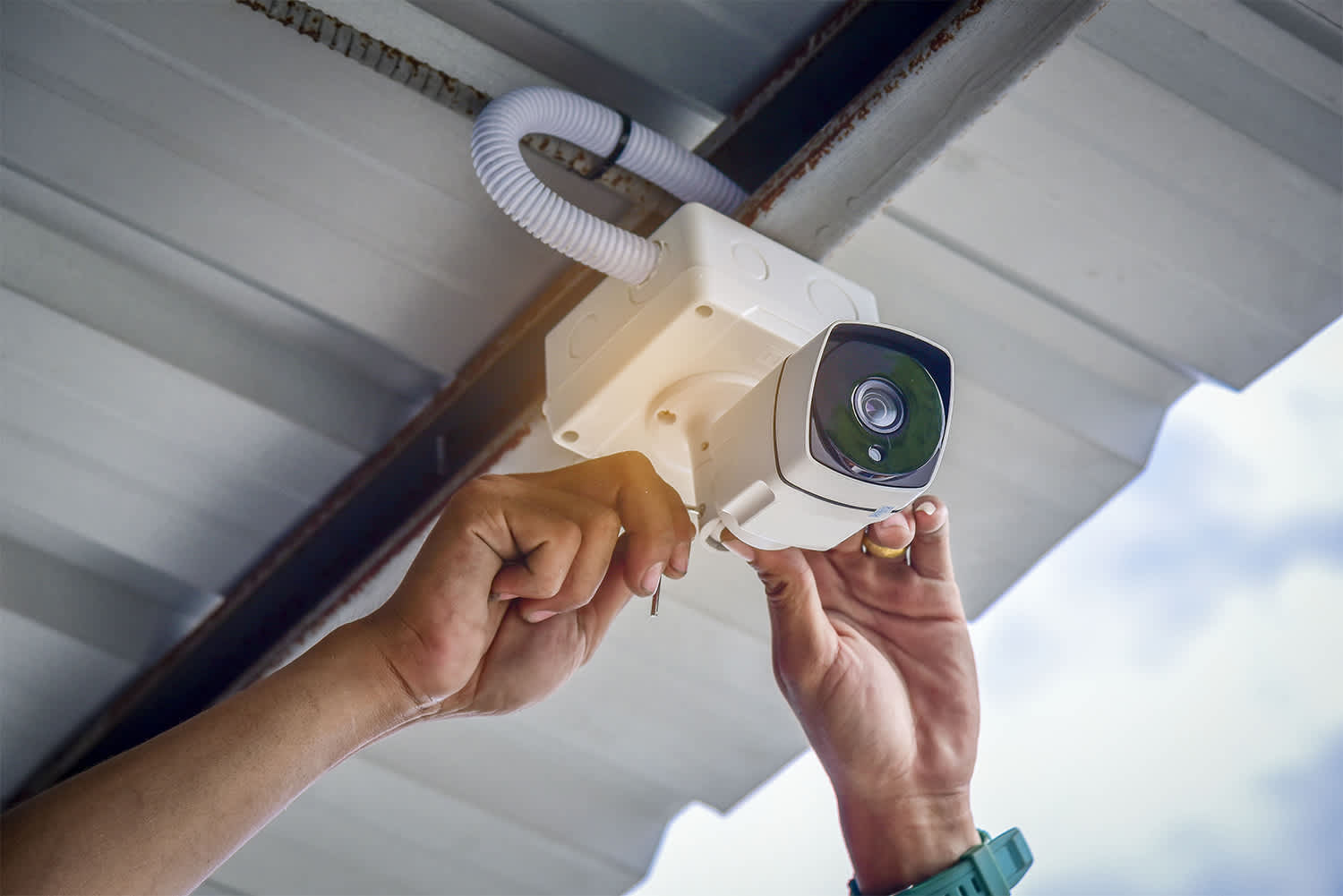
Feeling safe at home should always be a priority, and installing a new security system can help you do just that—no matter where you live.
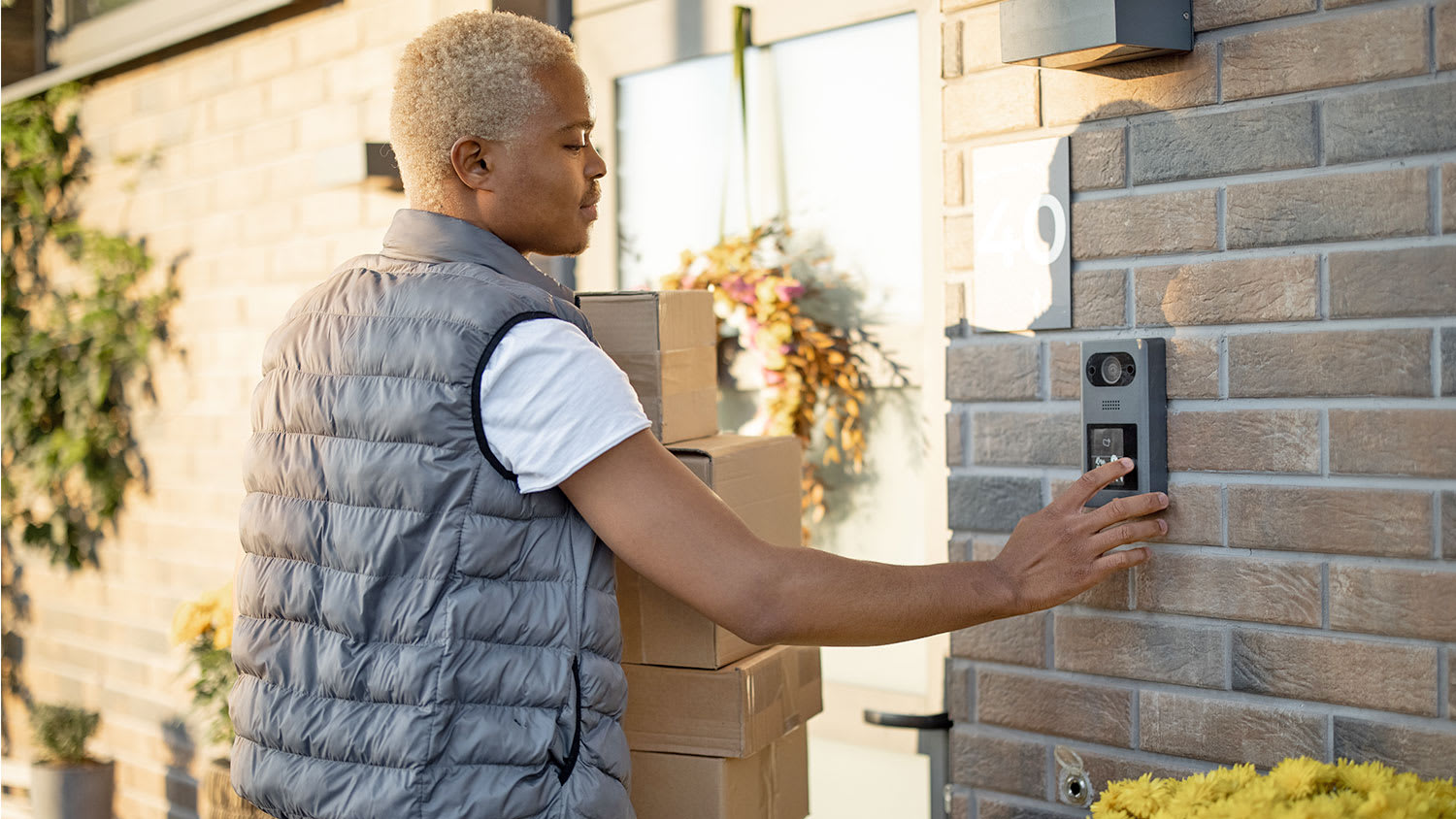
Someone's at the door! Learn how to install a doorbell with a wired kit in this eight-step guide.
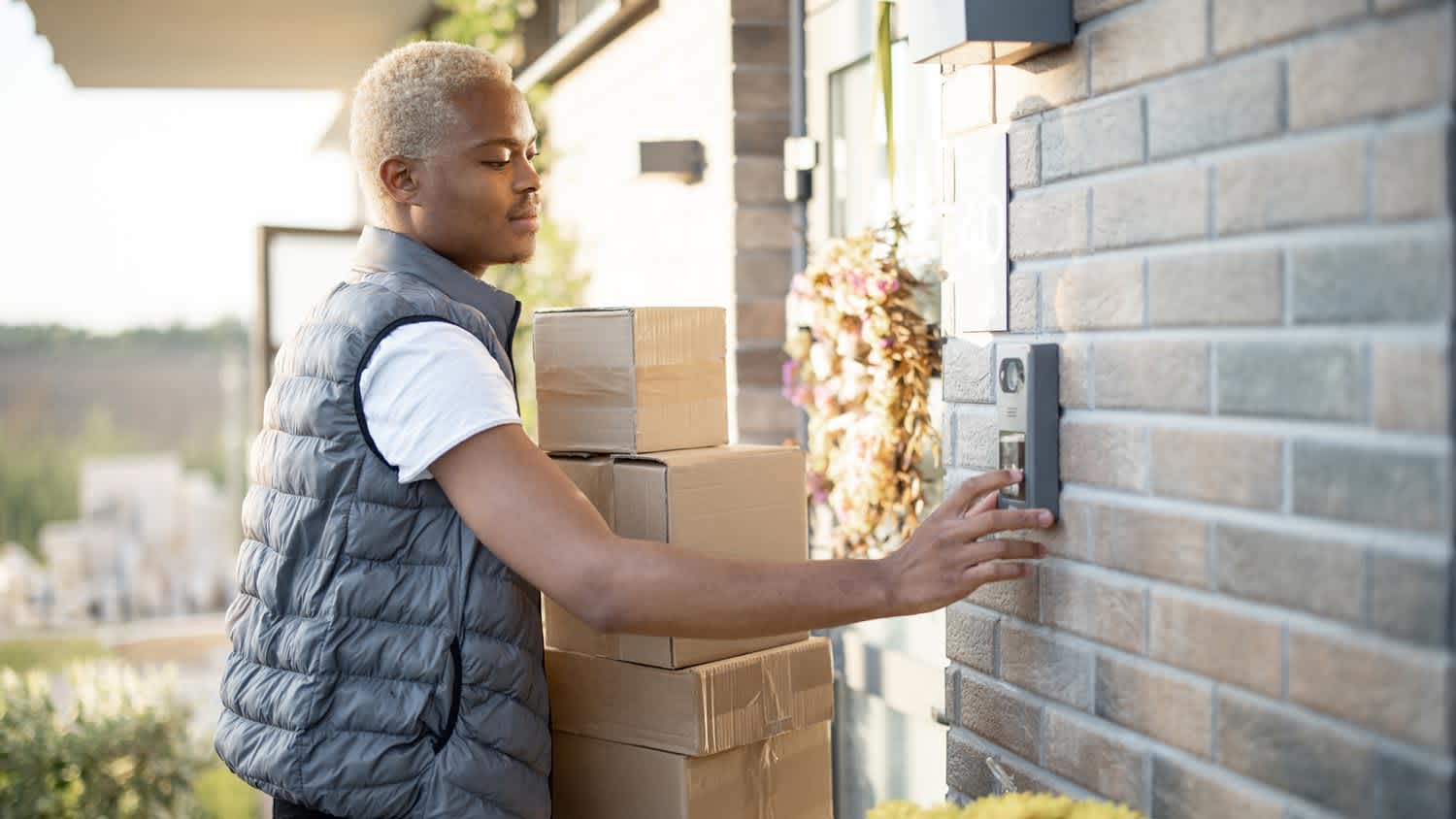
Doorbell wiring is a project you can DIY. This guide covers everything you need to know, from different types of doorbells to wiring, and how to remove an old doorbell.
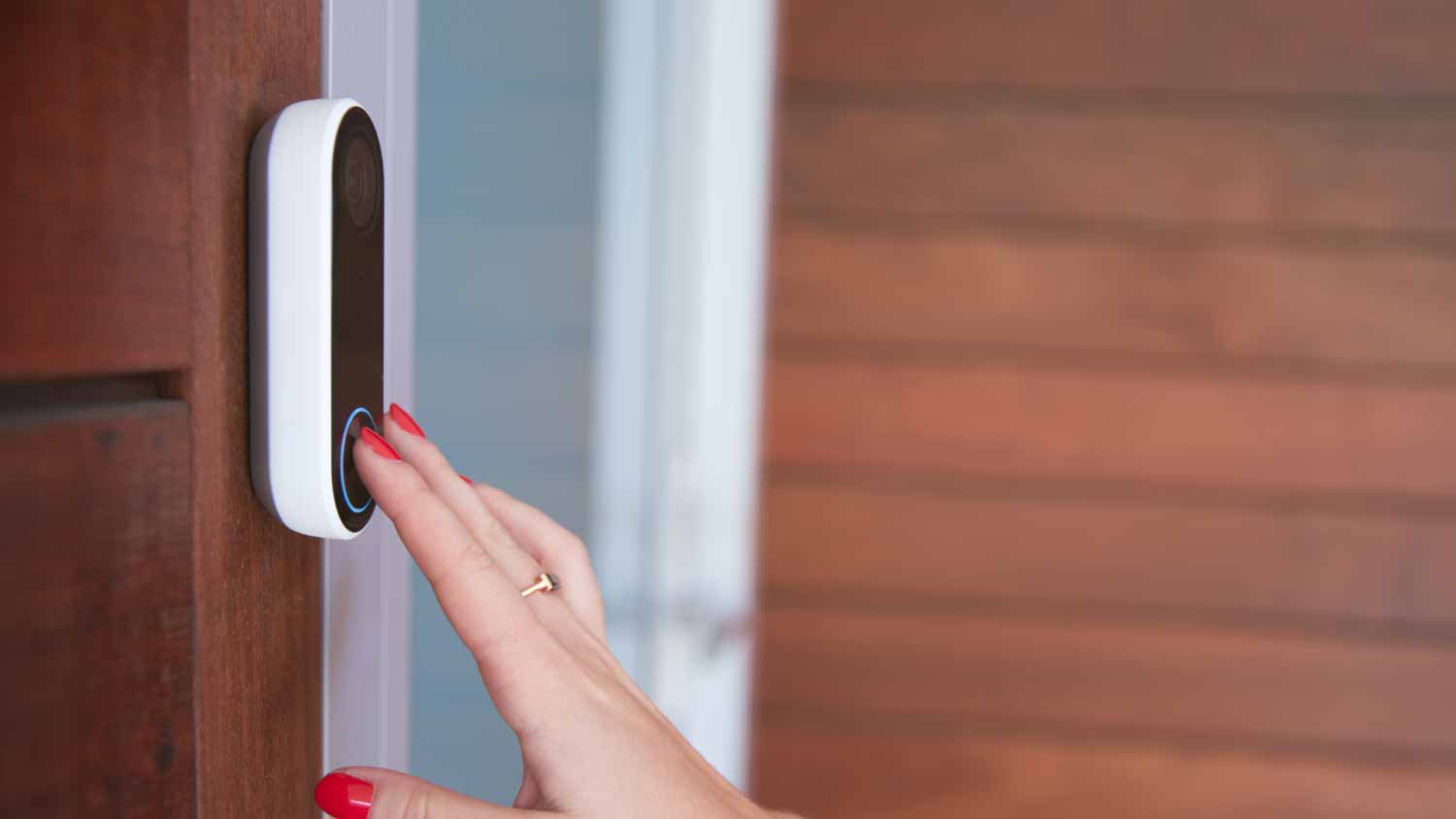
Ready to upgrade your front door and learn how to wire a doorbell? You may be able to handle this relatively simple DIY installation without an electrician.