Doorbell Installation questions, answered by experts
The best type of attic insulation depends on where you live, your budget, and what stage of construction the attic is in. For example, if you're building a house, then structural insulated panels are a worthy investment since they're easy to install during construction and they're the most energy-efficient type of insulation.
Additionally, if you live in a very warm climate, then you can potentially save quite a bit of money by opting for reflective insulation, which is more affordable than comprehensive insulation but doesn't work well for cool climates. Blown-in, loose-fill, and spray foam insulation are all great options for attics in moderate climates.
The life span of fiberglass insulation can be as long as 80 to 100 years, but because of changing building codes, it’s best to get your insulation checked every 10 to 15 years. Signs of degrading fiberglass insulation include bits of batts on the floor or batts detached from frames. Having optimal, healthy insulation in your home will improve its energy efficiency, lowering your monthly bills.
Several types of insulation are effective for crawl spaces, with spray foam and rigid foam boards being two of the best options. Closed-cell spray foam insulation is a strong choice because it effectively repels moisture, resists biological growth, seals the air, and provides excellent thermal protection, especially in hard-to-reach areas. Rigid foam insulation boards are another excellent material as they insulate well, resist water damage, and will not settle over time like fiberglass or cellulose.
Monolithic slabs don’t require insulation, but many homeowners choose to have their contractors install insulation under the slab during construction. This can help improve home efficiency even more and keep indoor temperatures more stable. Slab foundations are more energy-efficient than uninsulated crawl spaces and basements, and insulated slab foundations are more energy-efficient than insulated crawl spaces and basements.
The time required for insulation installation can range from a few hours to a few days, with most projects taking 1-3 days to complete. The final duration depends on the project's size and complexity, the area size, and the type of insulation being installed.
The Oakham, MA homeowners’ guide to doorbell installation services
From average costs to expert advice, get all the answers you need to get your job done.
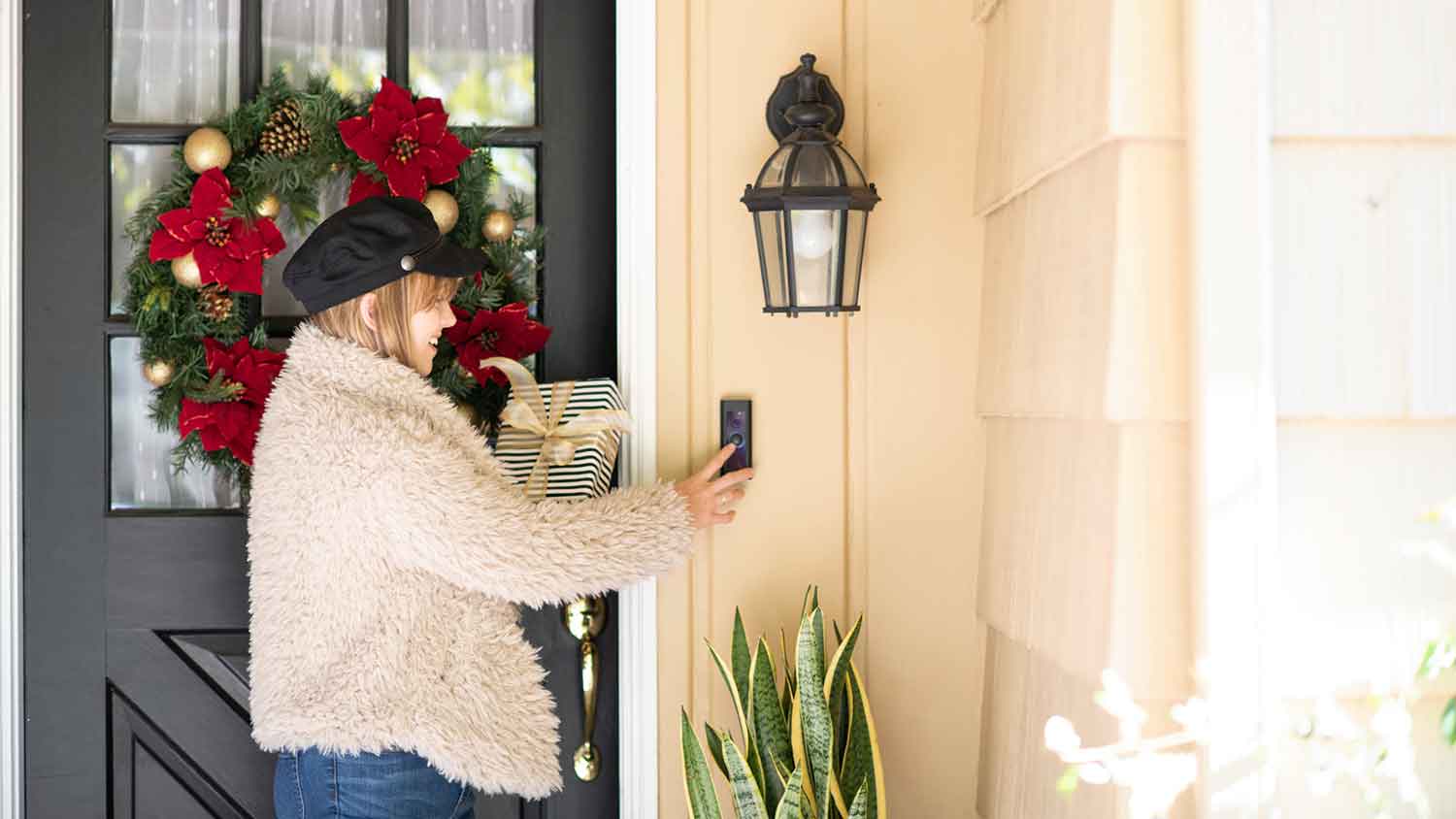
Ring a bell? From replacing a wired doorbell to setting up a smart home system, learn about typical doorbell installation costs, including materials and labor.
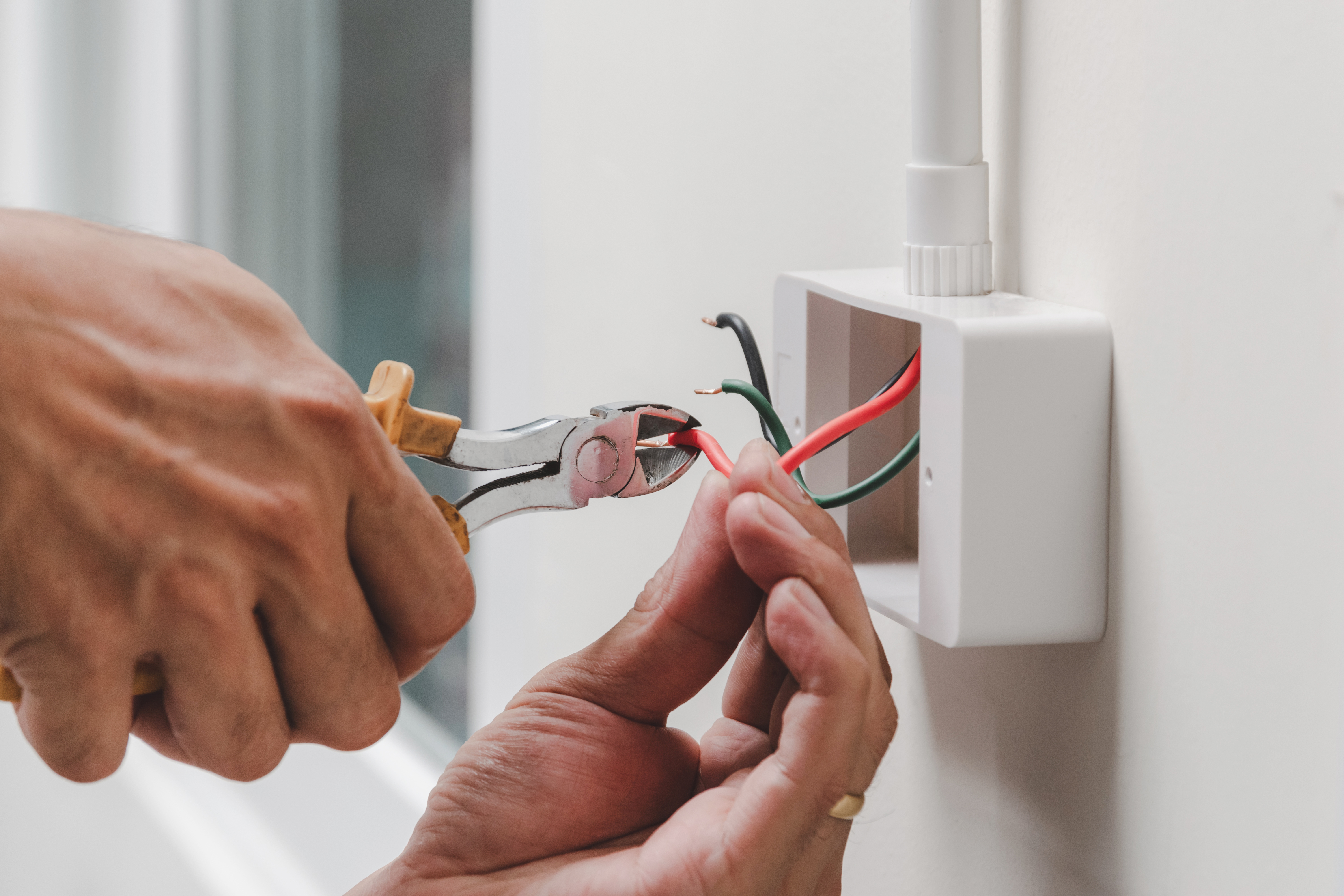
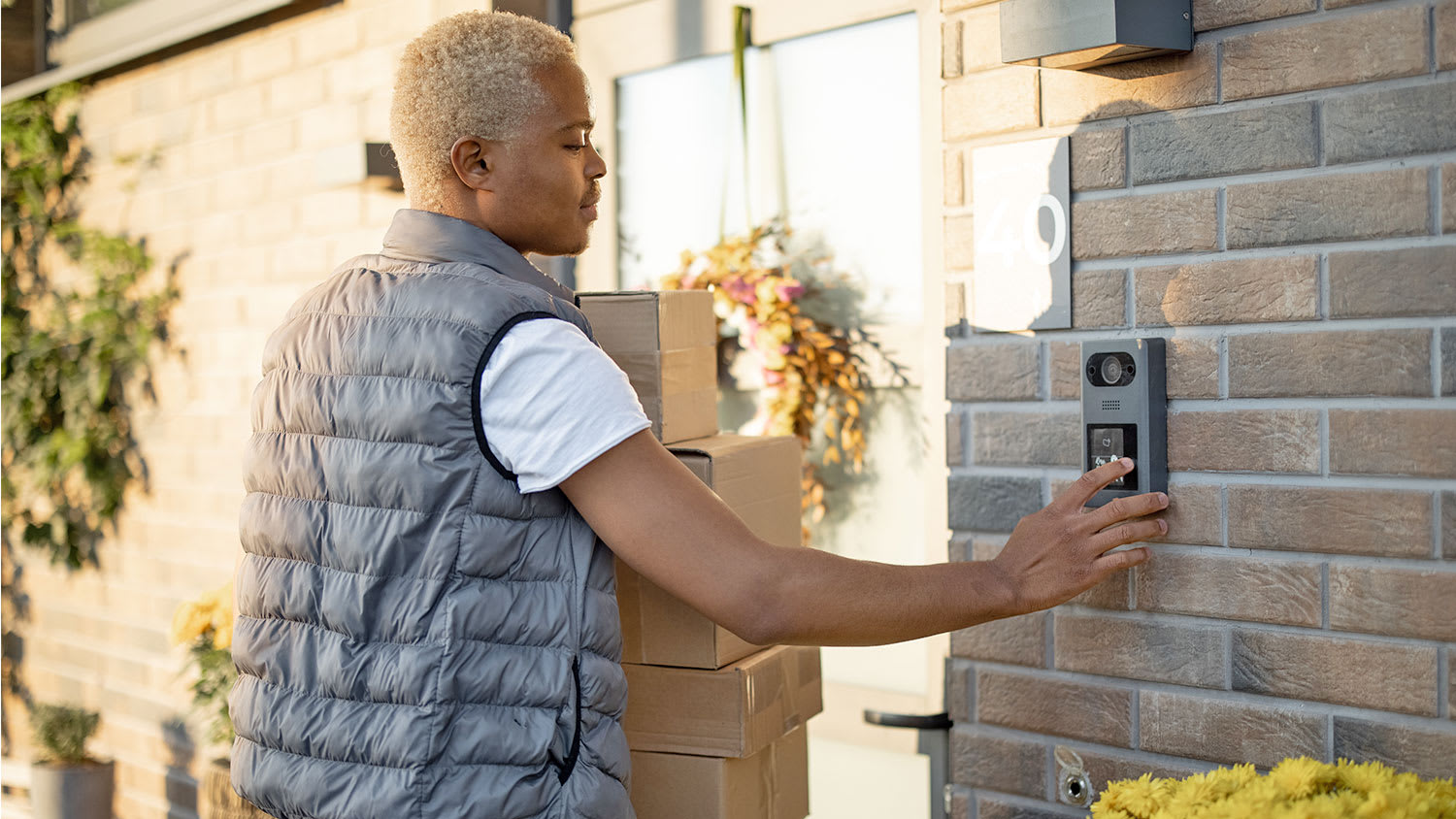
How much does it cost to install a doorbell camera? It depends on whether you plan to DIY or hire a pro. Learn about different models and their power sources, too.
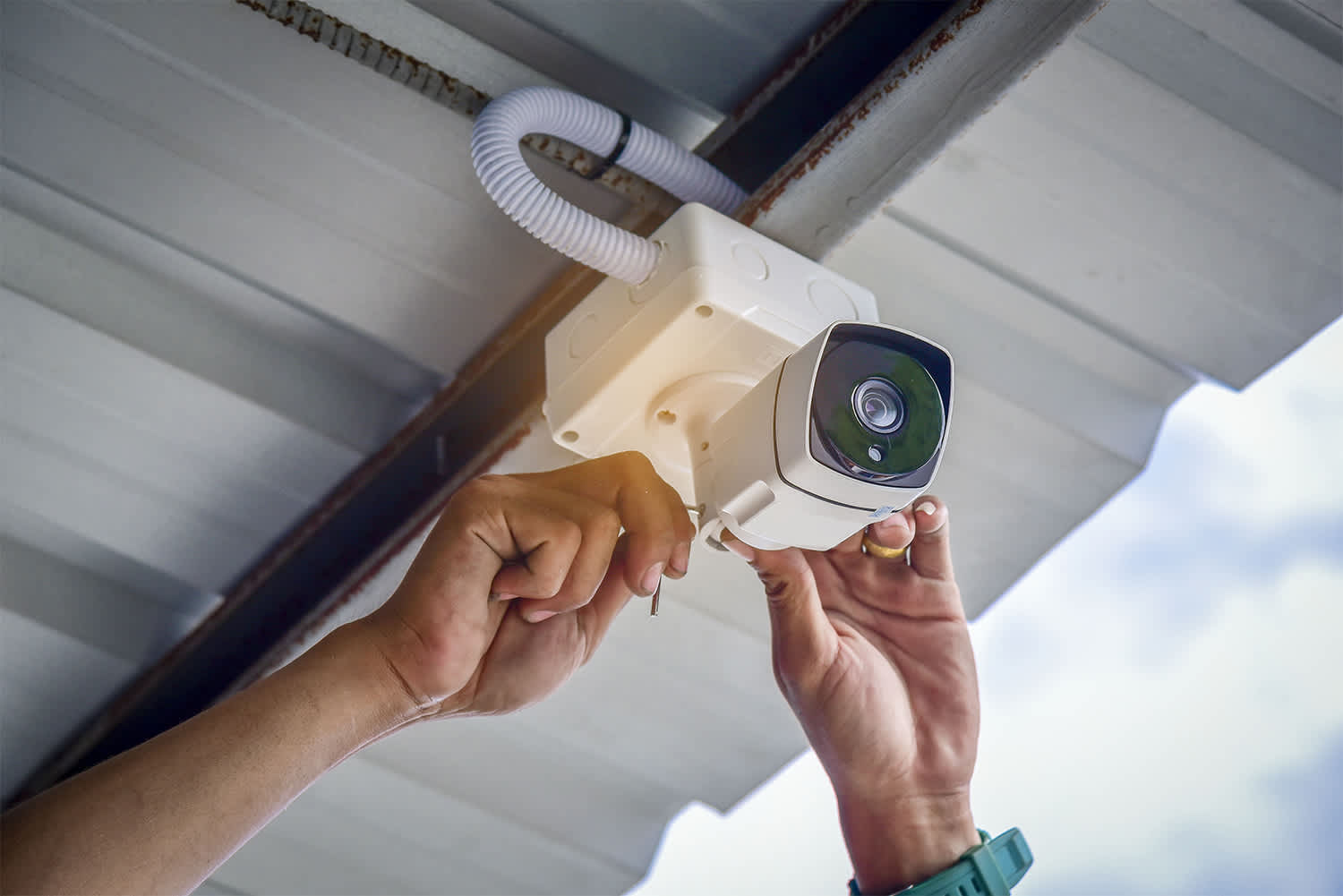
Doorbell wiring is a project you can DIY. This guide covers everything you need to know, from different types of doorbells to wiring, and how to remove an old doorbell.
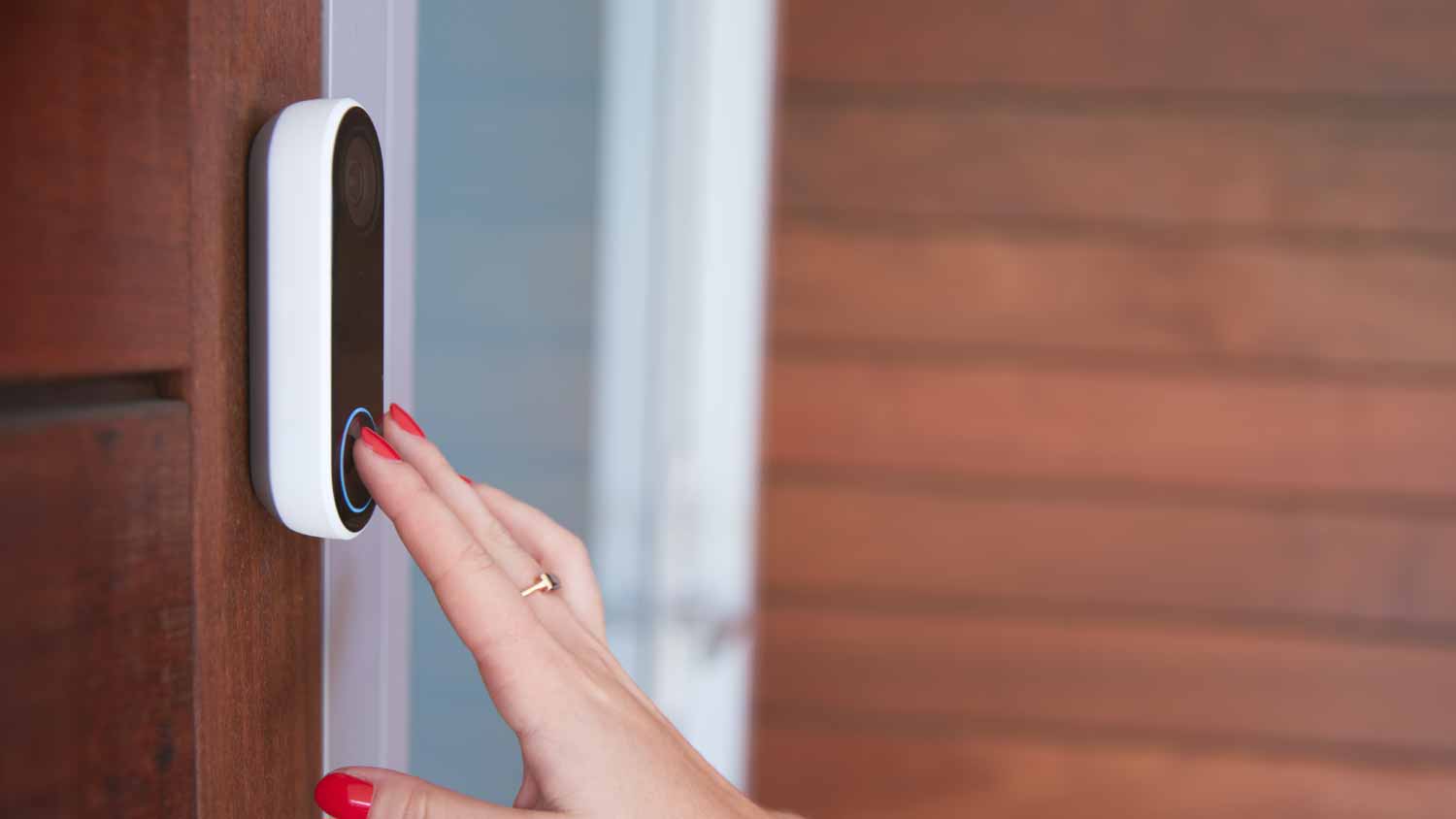
Ready to upgrade your front door and learn how to wire a doorbell? You may be able to handle this relatively simple DIY installation without an electrician.